Easygoing Cat Breeds Families
Choosing a cat that will fit seamlessly into a family life involves more than just a cute face or a catchy name. Parents and grandparents alike want a companion that is patient with toddlers, tolerant of household noise, and adaptable to changing schedules and personalities. These expectations point to Easygoing Cat Breeds — breeds whose temperament, energy level, and grooming needs align with a relaxed, everyday household. In this guide we’ll explore the hallmark traits of an easygoing cat, review the top breeds that fit those criteria, and share practical tips for integrating a feline new‑family member into your home.
Easygoing Cat Breeds: Traits to Look For
Before diving into specific breeds, it’s helpful to know the characteristics that make a cat “easygoing.” While each animal has its own quirks, easygoing cat breeds typically share these universal traits:
- Low to moderate activity levels — they enjoy a balanced mix of play and rest.
- High tolerance for human interaction — they thrive on touch, play, and conversation.
- Gentle disposition toward children — they do not react aggressively to quick movements or sudden voices.
- Adaptability to household noise and routine changes — they remain calm during family gatherings or minor disruptions.
- Minimal grooming demands — most easygoing breeds prefer short coats that are straightforward to maintain.
These traits are reinforced by the cat’s genetic background and breeding practices. For instance, the Scottish Folding originates from a _natural mutation_ that encourages a serene temperament, while the Maine Coon was historically selected for its ability to handle farm life, including early morning tasks and household members of all ages.
Easygoing Cat Breeds That Thrive With Children
Parenting children adds an extra layer of consideration: toddlers may scratch, climb, or pull at a cat’s ears. Below, we outline breeds that naturally exhibit patience and enjoy the company of little ones.
- Maine Coon – Famous for its large, friendly personality, this breed is known as the “gentle giant.” Its thick fur keeps it comfortable in chilly rooms, and it won’t mind the occasional high‑pitched squeak from a child.
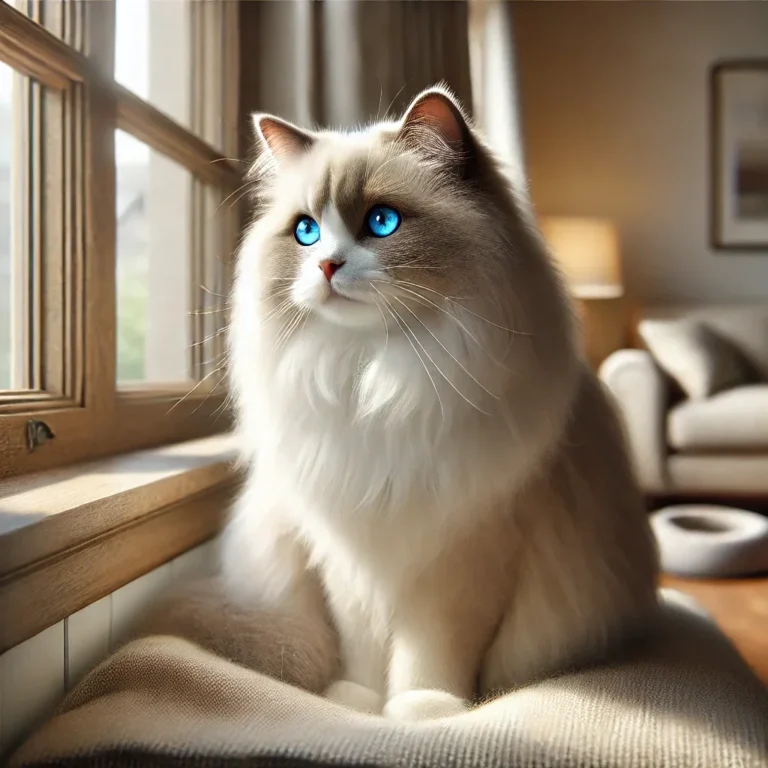
- Ragdoll – Recognized for its docile nature, the Ragdoll loves to be carried. The temperament is smooth, and it is rarely startled by small toys or sudden movements.
- Burmese – An energetic yet affectionate breed, the Burmese is highly interactive with kids, often following them around the house with playful interest.
- Bengal – While Bengals are active, their bold yet gentle demeanor means they tolerate curious kids and thrive in a household that values outdoor enrichment.
These breeds not only exhibit a calm demeanor but also possess a display of affectionate, playful energy that can keep children entertained while encouraging responsible interaction.
Easygoing Cat Breeds for Quiet or Busy Lifestyles
Many families experience periods of heightened activity—new school terms, moving, or a busy work schedule. Some cat breeds adapt better to these fluctuations. These easygoing breeds maintain a steady level of contentment whether they’re entertaining playtime or simply watching the sunset from a window perch.
- British Shorthair – Known for being low‑maintenance and plush, these cats show no signs of agitation, even during late evening gatherings.
- Sphynx – Despite its lack of fur, the Sphynx displays a warm presence that calms a family’s atmosphere. The breed has a moderate energy level and stays content with short play sessions.
- American Shorthair – A true “everyday” cat, this breed is adaptable, resilient, and reliably affectionate across a variety of family routines.
- Oriental Shorthair – With a vocal yet friendly personality, the Oriental Shorthair will engage in conversation with family members while remaining serene in no‑noise moments.
These breeds enjoy routine changes and aren’t overly demanding about space or attention, making them ideal for maintaining composure when family life switches from quiet nights to chaotic holidays.
Easygoing Cat Breeds in the Context of Health and Longevity
Acat’s well‑being is a fundamental factor in family friendliness. Some easygoing breeds enjoy remarkably long lifespans and few chronic health problems. For instance, a study by the American Veterinary Medical Association suggests that moderate indoor activity, balanced diets, and routine veterinary checks can extend a cat’s quality of life by several years.
Breeds such as the **Ragdoll** and **Scottish Fold** often have successful health profiles, with minimal risk for hereditary conditions. These cats are top choices for families wanting a low‑maintenance companion that won’t suffer from frequent veterinary expenses. The Cat Fanciers Association provides comprehensive health guidelines for each breed, ensuring potential owners can make informed decisions.
Pet owners should look for verified micro‑chiroptery or pedigree books for the specific breed, ensuring that they are sourced from reputable breeders who invest in genetic testing.
Practical Tips for Introducing an Easygoing Cat to the Family
- Gradual Introduction – Allow the cat to explore the house at a calm pace; use a soft voice to ease anxiety for both the cat and children.
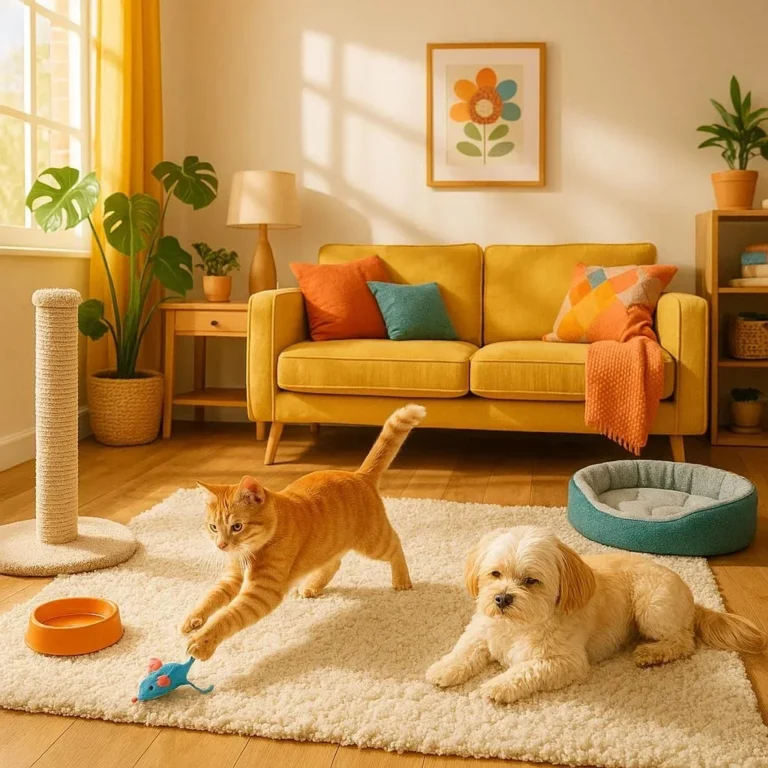
- Designate Safe Spaces – A cozy bed in a quiet corner gives the cat a retreat while still letting family members nearby enjoy the companionship.
- Consistent Feeding Routine – Feeding at the same times each day builds trust with the cat and reduces unpredictable meows.
- Teach Gentle Play – Encourage children to use toy mice or feathered wands rather than hands, teaching the cat that gentle touches are safe.
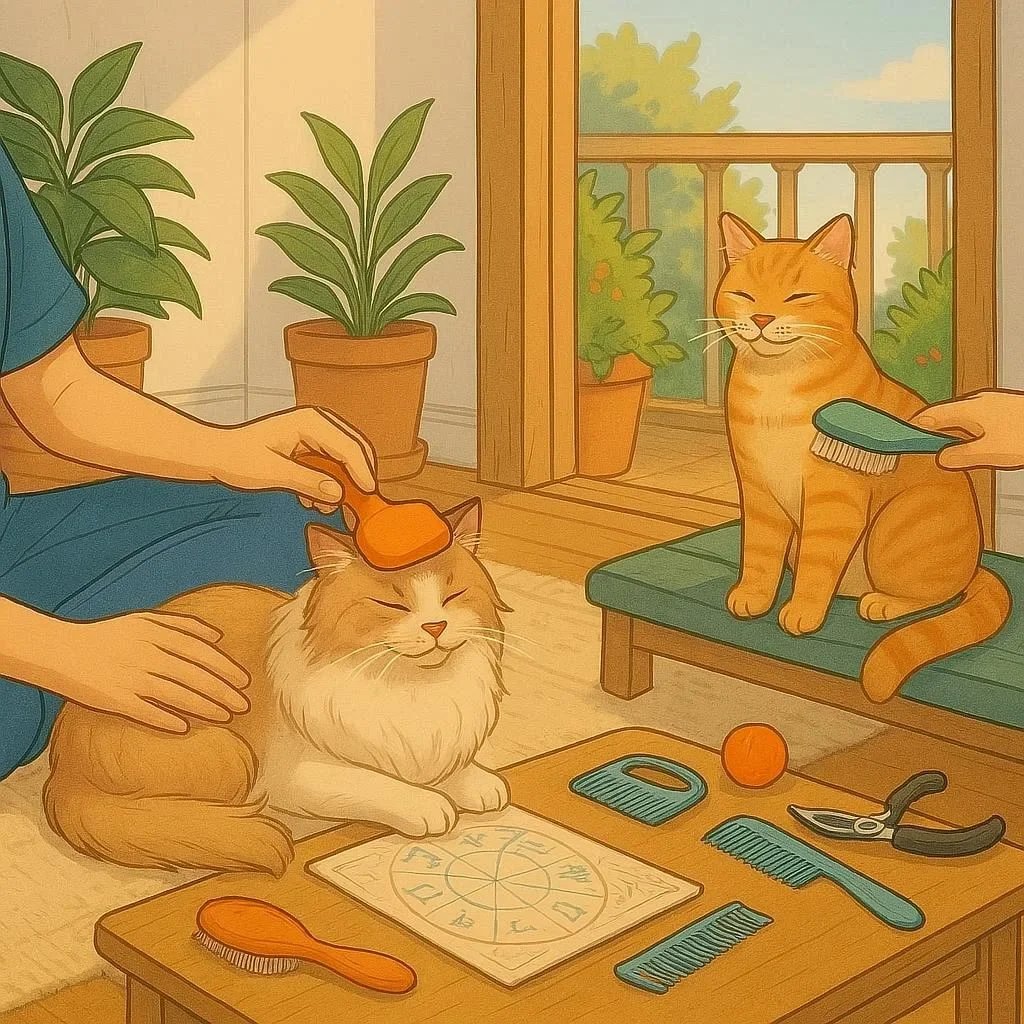
- Regular Grooming Sessions – Even low‑maintenance breeds benefit from brushing a few times a week, which also provides an opportunity for bonding.
- Vet Visits Every Two Years – Routine check‑ups, vaccinations, and dental cleanings keep the cat in top health, overwhelming the family with peace of mind.
Adhering to these habits ensures family relationships strengthen rather than strain over time. The cat’s comfort leads to affectionate, rather than wary, interactions, fostering a harmonious shared living environment.
Conclusion: Embracing an Easygoing Cat in Your Family Life
When seeking a cat that comfortably blends into daily family life, your best bet is to look for breeds known for their gentle nature, low nervousness, and active‑yet‑calm personalities. Whether you choose the **Maine Coon** for its gentle giant charm, the **Ragdoll** for its laid‑back mood, or the **British Shorthair** for its consistent calm, each option offers a proven track record of playing well with children, handling routine changes, and maintaining a healthy, long lifespan.
Now that you’ve found the Easygoing Cat Breeds that suit your household, you’re ready to give your family the gift of a feline friend who brings joy without the stress. If you’re ready to take the next step, consult a certified breeder or a reputable rescue organization that matches families with these amiable breeds today. Your future family member will thank you with purrs, playful licks, and countless heart‑warming moments later on.
Bring home an Easygoing Cat Breed today and transform your family’s daily routine into a seamless, purr‑fect partnership.
Frequently Asked Questions
Q1. What traits make a cat breed easygoing for families?
An easygoing cat typically shows a calm temperament, high tolerance for human interaction, and moderate energy levels. They are patient with children, adapt well to household noise, and remain relaxed during routine changes. These traits result from selective breeding for friendly and adaptable behaviors. They also tend to be low-maintenance, making them ideal for busy families.
Q2. Are Maine Coon and Ragdoll safe around toddlers?
Yes, both breeds are known for their gentle giant personalities. They are patient, tolerant of playful behavior, and rarely exhibit aggression even under sudden movements. It’s still important to supervise interactions and teach children how to respect a cat’s space. With proper guidance, these breeds thrive around little ones.
Q3. Do short‑haired breeds need less grooming?
Short‑haired cats generally require less grooming than long‑haired breeds. Daily brushing helps keep shedding under control, and only a few minutes each week is usually enough. Eggs and slobbering on coats are minimal, making cleaning around the house hassle‑free. However, they still benefit from occasional inspections for skin issues.
Q4. How can I introduce a new easygoing cat to my children?
Start by letting the cat explore a safe, enclosed space while the family remains calm and quiet. Use soothing voices, avoid loud noises, and encourage gentle play with toys instead of hands. Gradually allow small family members to approach the cat while supervising their interactions. Over time, the cat and the children will build familiarity based on trust.
Q5. Do easygoing breeds generally have fewer health issues?
While no breed is immune to health concerns, many easygoing breeds such as the Ragdoll and Scottish Fold have fewer hereditary problems. Regular vaccinations, balanced diets, and routine veterinary care extend overall longevity. Choosing a reputable breeder with genetic testing helps reduce the risk. Low‑maintenance grooming also reduces stress, contributing to better health outcomes.