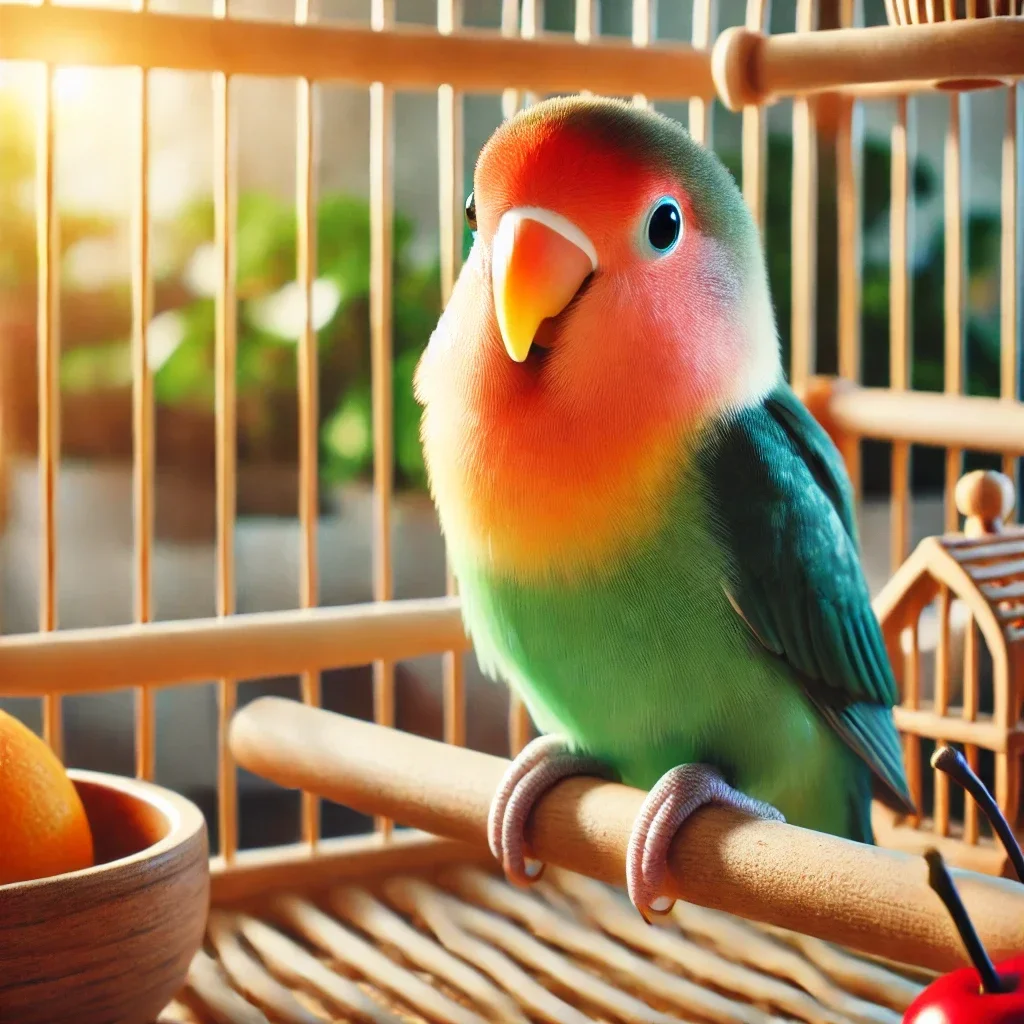
Pet Birds’ Spectacular Color Displays
Pet Birds are adored not just for their charming personalities but also for the vivid palette of colors they display. From the electric blues of macaws to the gentle greens of budgerigars, these avian companions bring a living work of art into our homes. Owners and enthusiasts alike are captivated by the way feather pigmentation can range from subtle pastels to explosive, high‑contrast hues. Understanding the science behind these colors—such as feather microstructure, melanin distribution, and ultraviolet reflection—adds another layer of appreciation for pet birds and helps caregivers provide the right environment for vibrant plumage. This guide explores some of the most uniquely colored pet birds, offering insights into their care, natural habitats, and why their colors are so mesmerizing to both the eye and the heart.
Pet Birds: Mysterious Mosaic Budgies
Budgerigars, commonly known as budgies or parakeets, showcase a spectrum of green feathers accented by yellow streaks and occasionally a touch of blue. Their feathers are a mosaic of tiny structural variations that refract light, creating an almost iridescent quality. These birds thrive in bright, stimulating environments that keep their plumage clean and vibrant. Providing a diet rich in fresh vegetables and high‑quality commercial seeds helps maintain feather coloration, while regular exposure to natural light encourages melanin production. For enthusiasts curious about the evolutionary background of budgerigar plumage, the Wikipedia entry on budgerigar offers a comprehensive overview.
Pet Birds: Radiant Rainbow Macaws
Macaws are the showstopps of pet bird collections. Their canary‑yellow, scarlet, and cobalt blue feathers form bold, eye‑catching patterns that turn any room into a living gallery. Among them, the Blue‑and‑Yellow Macaw (Ara ararauna) displays an impressive combination of midnight‑blue shoulders and blazing yellow throats—an arrangement that has fascinated ornithologists for decades. To keep these feathers in pristine condition, owners should give macaws ample perches to scrub and preen, and supplement their diet with fresh fruits, nuts, and leafy greens. For deeper insights into the world of macaw coloration, the World Wildlife Fund’s profile on the Blue‑and‑Yellow Macaw provides an authoritative perspective.
Pet Birds: Graceful Luminizing Finches
Finches, often overlooked in discussions of vivid plumage, boast a stunning range of warm and cool tones. The Song Sparrow, for example, sports a rich chestnut back with violet undertones, while the House Finch displays plumage that shifts from crimson to russet depending on the angle of light. The key to maintaining this luminosity lies in a balanced diet that includes sunflower seeds, millet, and iron‑rich greens. Regular exposure to a spectrum of light frequencies also promotes healthy feather development. For those interested in the biological mechanisms behind feather coloration, the Wikipedia page on plumage offers a detailed exploration of how pigments and structural colors intertwine.
Pet Birds: Exotic Avian Chromatics
Beyond budgies, macaws, and finches, the avian kingdom houses several exotic species that delight the eye with unique chromatic profiles. The Harpy Eagle, though not typically kept as a pet, showcases a striking black and white contrast that sets a standard for avian elegance. Likewise, the Golden‑eyed Pitta presents a luminous combination of emerald feathers punctuated by sapphire eyes. While these birds may not be common household pets, they represent the extreme ends of color evolution and remind us of the endless possibilities within bird pigmentation. Those passionate about color nuances in pet birds can find in-depth information on species like the Harpy Eagle via reputable conservation sites such as the Audubon Society’s Ornithology Resources.
Top 5 Colorful Pet Birds to Consider
- Budgerigar (green & yellow)
- Blue‑and‑Yellow Macaw (blue & yellow)
- House Finch (crimson & russet)
- Song Sparrow (violet undertones)
- Golden‑eyed Pitta (emerald & sapphire)
Final Thoughts
Choosing a pet bird with unique colors is not just a decorative decision—it’s an opportunity to witness nature’s artistry daily. Whether you’re a seasoned bird owner or a first‑time aviator, the wealth of spectacular hues available provides an endless source of wonder. Remember to combine a restful environment, UV lighting, and a balanced diet to keep your feathered friend’s colors bright and vivid. Ready to bring a splash of color into your home? Adopt a pet bird today and let nature’s palette transform your living space into a living masterpiece.
Frequently Asked Questions
Q1. Why do pet birds have such vivid colors?
Pet birds exhibit bright plumage due to a combination of pigmentary and structural colors. Melanin pigments provide base hues, while microscopic feather structures refract light to create iridescence.
Q2. How can I keep my pet bird’s feather coloration bright?
Providing a balanced diet rich in vitamins, minerals, and antioxidants supports feather health. Regular UV lighting and clean perches encourage preening that helps maintain feather integrity.
Q3. Does diet influence the intensity of a bird’s colors?
Yes. Foods high in beta‑carotene and essential fatty acids promote vivid hues, while deficiencies can lead to dull or faded feathers.
Q4. Are all bird species made up of structural color?
While many birds rely on structural coloration, some species use pigments alone or a mixture of both. Understanding the type helps determine proper care.
Q5. Do genetics play a role in feather color differences?
Genetic factors dictate chromatophore types and distribution, which explain why same species can display varied shades. Selective breeding can enhance particular color traits.