Cats That Get Along With Dogs
Cats that get along with dogs can transform a household, turning potential rivalry into a heartwarming partnership. Early on, many pet owners assume that cats and dogs naturally clash, but with the right approach, these two species can coexist peacefully and even thrive together. This article explores the behavioral science behind cat‑dog compatibility, highlights which breeds tend to harmonize best, offers practical training tips, and shares real‑world success stories so you’re ready to foster harmony in your own home.
Understanding the Basics of Cat‑Dog Compatibility
Behavioral researchers have identified several key factors that influence how cats and dogs interact. The three main elements—personality, prior socialization, and environmental enrichment—are interdependent. For instance, a calm, patient dog will more readily tolerate the intimate, subtle cues of a shy cat. Conversely, a highly active dog may inadvertently startle a nervous feline. Moreover, previous experience with the opposite species is crucial; a cat raised with dogs from an early age typically learns to interpret canine body language as non‑threatening signals.Animal behaviour research emphasizes that early socialization within the first 10 weeks of life is when cats develop the most flexible responses to new stimuli. If you already have pets, use controlled introduction techniques such as the “scent swap” and gradual proximity sessions. Tools like reflective jars or scent neutralizers can assist in this process by minimizing the intensity of initial encounters.
Top Cat Breeds That Get Along With Dogs
While any cat can potentially coexist with a dog, certain breeds display temperament traits that naturally favor amicable interactions. Cats who are naturally playful, social, and tolerant of movement are the best candidates. Below is a curated list of breeds known for their dog‑friendly instincts:
- Ragdoll – Their laid‑back nature makes them comfortable around active dogs.
- Maine Coon – Tall, gentle, and fearless, they can match a dog’s energy.
- American Bobtail – Friendly and curious, this breed loves to join dog play.
- Siamese – While vocal, they thrive on companionship and tend to bond quickly.
- Burmese – Highly sociable and playful, they adapt well to canine roommates.
When selecting a cat, always look for individuals with a resilient temperament rather than strictly following breed standards. Resources such as the Petfinder Community or shelters specializing in mixed‑breed rescue can provide individualized personality insights.
Dog Breeds That Often Live Harmoniously With Cats
The canine side of the equation matters too; some breeds are predisposed to gentle, low‑predatory instincts. Consider the following dog breeds that typically coexist peacefully with cats.
- Golden Retriever – Known for their patience and warmth.
- Labrador Retriever – Their friendly disposition makes them tolerant of feline neighbors.
- Cavalier King Charles Spaniel – Small and affectionate, their calm nature suits cat presence.
- Pug – While quirky, Pugs often accept cat companionship when introduced properly.
- Shepherd mixes – Some herding breeds can adapt to calmer household dynamics, making them suitable with cats.
As with cats, temperament overranks breed stereotypes. Tools like the American Kennel Club breed profiles offer reliable behavioral descriptors that can help match a dog’s temperament to a cat’s needs.
Training Tips And Behavioral Strategies
Whether your pets are newborns or seasoned roommates, training remains a cornerstone of peaceful coexistence. Below are evidence‑based techniques that have proven effective across diverse households:
- Gradual Exposure – Never rush the introduction. Use short, supervised sessions with the dog restrained on a leash while the cat can observe from a safe distance.
- Positive Reinforcement – Reward both animals for calm behavior. Use desensitization treats and praise instead of punishment to avoid fear.
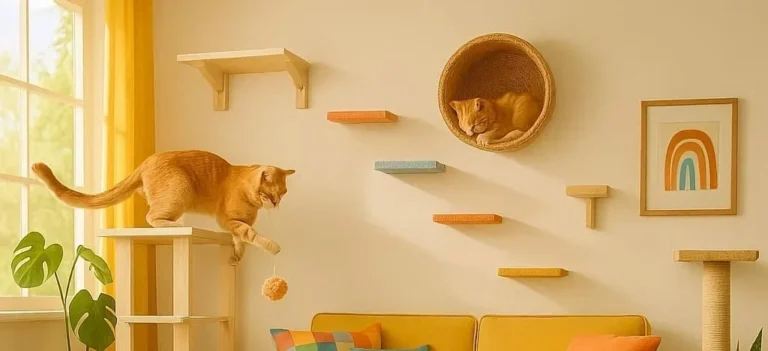
- Safe Zones – Provide elevated perches or high shelves where cats can retreat from canine activity. Humane Society of the United States recommends using baby gates or cat-specific screens.
- Consistency – Align feeding times and play sessions for both animals. Structured routines reduce anxiety and competition for attention.
- Environmental Enrichment – Use puzzle feeders, interactive toys, and scent diffusers to occupy attention spans and lower the risk of misdirected aggression.
Beyond behavior, diet and health play a role; ensure both cats and dogs receive balanced nutrition that supports calmness. Regular veterinary check‑ups can monitor for condition‑related stressors like dental disease or hormonal imbalance. If you suspect underlying issues, propose a joint appointment with a licensed American Veterinary Medical Association practitioner for comprehensive diagnostics.
Conclusion: Fostering Long‑Term Harmony
Creating a peaceful home for cats that get along with dogs is achievable through careful selection, thoughtful introductions, and ongoing training. By aligning temperament, employing gradual exposure, and reinforcing positive interactions, you give both your feline and canine companions the best chance to thrive together. Whether you’re adopting a new cat, bringing a dog into your home, or improving an existing relationship, remember that time, patience, and consistent behavior guidelines are the keys to a happy, shared environment. For more personalized guidance, consider contacting a certified animal behaviorist today. Start building a harmonious family with your pets—your home will reward you with companionship and joy for years to come.Ready to create the perfect cat‑dog blend? Reach out now and transform your pet dynamics.
Frequently Asked Questions
Q1. How can I tell if my existing dog will accept a new cat?
Observe your dog’s body language when exposed to cats—sniffing, relaxed ears, and wagging tail are positive signs. A fearful or aggressive reaction (growling, lunging, or rapid tail wagging) suggests the need for a slower introduction. Consider a vet or behaviorist evaluation if the dog shows consistent fear or protectiveness.
Q2. Which cat breeds are most dog-friendly?
Breeds like Ragdoll, Maine Coon, and American Bobtail are known for their calm and tolerant nature. They enjoy interactive play and are less likely to chase moving animals. However, individual temperament matters as much as breed, so always meet the cat first.
Q3. What is the best way to introduce a cat to a dog?
Start with scent swapping: rub a towel on each animal and let the other sniff it. Then use a leash‑restrained dog while the cat observes from a safe distance. Gradually reduce the distance in short, supervised sessions while rewarding calm behavior.
Q4. Can a active, hunter-type dog coexist peacefully with a shy cat?
Yes, but it requires patience and structured training. Teach the dog to curb its prey drive through obedience exercises and redirect attention with toys. Offer the cat plenty of high perches where it feels secure.
Q5. What should I do if my cat displays aggression towards my dog?
Identify triggers such as food or personal space. Use calming tools like pheromone diffusers and re‑introduce the animals slowly. If aggression persists, consult a certified animal behaviorist for a tailored plan.