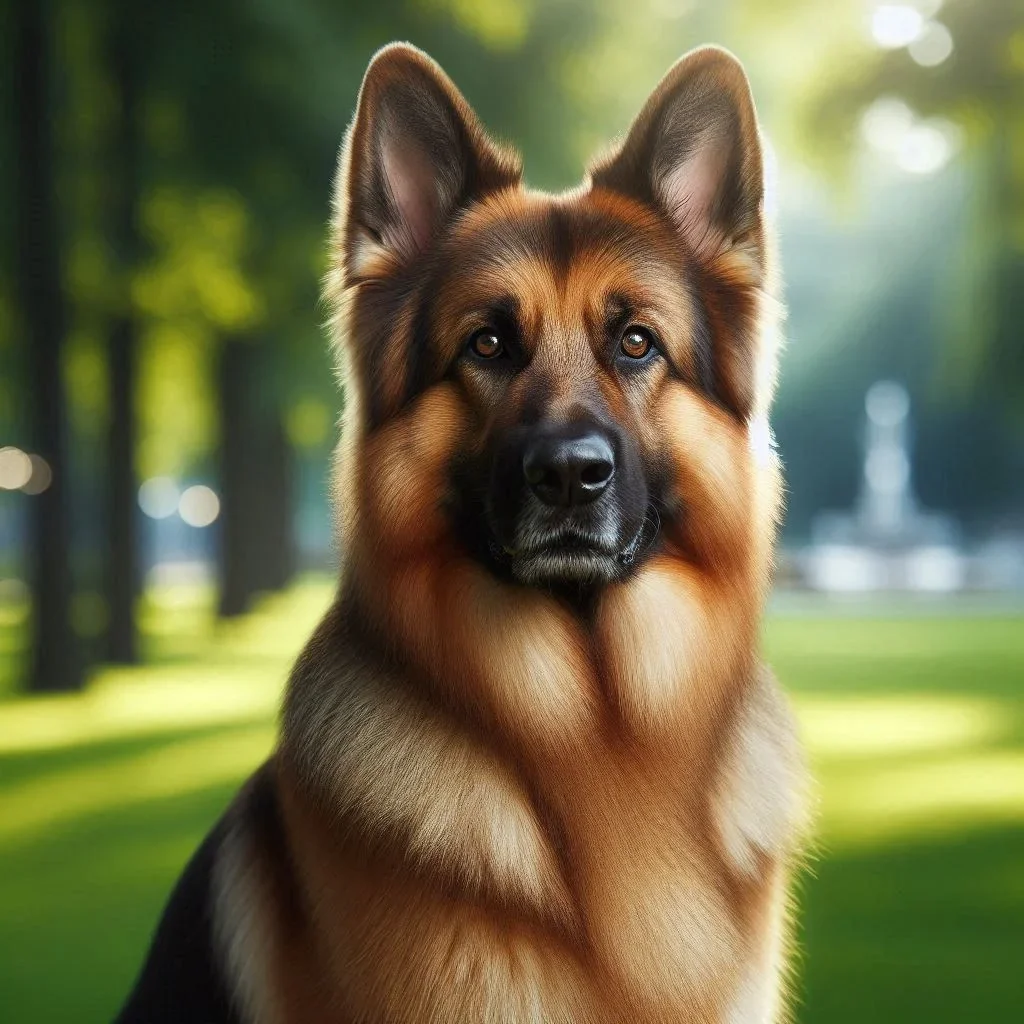
Brown Dog Breeds You’ll Love
When you think of loyal companions, brown dog breeds often steal the spotlight with their warm eyes, comforting presence, and rich, chocolate‑hued coats. From the affable Golden Retriever to the steadfast Bullmastiff, these dogs bring a blend of charm, intelligence, and dependability that makes them beloved family members worldwide. In this guide, we’ll explore some of the most popular brown dog breeds so you can find the perfect companion that matches your lifestyle, space, and adventurous spirit.
1. Chocolate Labrador Retrievers
Labrador Retrievers are one of the most popular breeds in the United States, known for their friendly temperament and excellent working ability. While they commonly appear in yellow and black, a significant portion of the breed carries a beautiful chocolate coloring that fits right into the “Brown Dog Breeds” category. These dogs thrive on companionship, enjoy swimming, and have an innate ability to assist in search‑and‑rescue missions, which is why Labrador Retrievers are often seen as family friends.
2. Bullmastiffs
Bullmastiffs have a storied history as guard dogs, combining huge muscular bodies with deep, brown, tan coats. Their calm, patient demeanor makes them excellent family pets once properly socialized. They can be large, so might not fit in small apartments, but their loving nature and low grooming needs attract many dog lovers. If you value a protective, affectionate companion, consider a Bullmastiff: Bullmastiff.
3. Welsh Springer Spaniels
This energetic breed sports a lush, chocolate brown coat with occasional white pads. They are built for agility, making them great hunting companions, yet most owners appreciate their affectionate side at home. Welsh Springer Spaniels are known for their bright, eager eyes and are often recognized for their ability to quickly adapt to various family dynamics. Their exercise needs are moderate, so they can fit well into both house and yard settings.
4. German Shorthaired Pointers
German Shorthaired Pointers (GSHPs) are a blend of endurance and elegance, often flaunting a marbled brown coat that ranges from chocolate to golden. They serve well as hunting partners and thrive in active households. GSHPs require regular exercise and mental stimulation, making them ideal for those who enjoy outdoor activities. Their natural curiosity and friendly disposition have earned them a reputation as great companions for families.
5. Fox Terriers
Among the smallest breeds, Fox Terriers come in a variety of shades, including a deep brown terracotta hue that’s emblematic of the “Brown Dog Breeds” group. These energetic dogs were originally bred for hunting foxes, and their lively, stubborn spirit requires excellent training. Their small, sleek bodies keep them playful, while their trainable nature brings them into close relationships with loyal owners. Fox Terriers are a perfect fit for households seeking a small, endearing companion.
Below is a quick comparison list of the key traits for each brown dog breed highlighted in this guide:
- Temperament: Gentle, protective, energetic, or playful.
- Exercise Needs: Moderate to high.
- Training: Safer with early socialization and consistent guidance.
- Coat Care: Low to moderate grooming required.
- Ideal Environments: From spacious homes to smaller apartments with proper exercise.
When choosing a dog, it’s essential not just to consider the coat color but also the lifestyle needs and behavioral traits. All the breeds listed above fall under the umbrella of Brown Dog Breeds and come with unique characteristics that can suit a wide variety of owners. For more detailed information on each breed, you can refer to the following resources, all of which are maintained by reputable institutions:
- Labrador Retriever Breeding Guidelines
- Bullmastiff breed standards
- Welsh Springer Spaniel Club
- German Shorthaired Pointer Club
- Fox Terrier Information
Ready to join the world of loving, brown-coated companions? Explore Brown Dog Breeds today and discover the perfect match for your family and lifestyle. Happy hunting for your new best friend!
Frequently Asked Questions
Q1. What are the most popular brown dog breeds?
The most common brown dog breeds include Chocolate Labrador Retrievers, Bullmastiffs, Welsh Springer Spaniels, German Shorthaired Pointers, and Fox Terriers. These breeds are prized for their friendly temperaments and beautiful chocolate or brown coats. Labradors are especially known for their loyalty and versatility. Bullmastiffs, meanwhile, are admired for their protective nature and calm demeanor.
Q2. Can an apartment living be suitable for a Brown Dog Breed?
Many brown dog breeds are adaptable to apartment living if they receive sufficient exercise. Dogs like the Fox Terrier and the Welsh Springer Spaniel are small to medium and thrive with regular walks and play sessions. Larger breeds such as Bullmastiffs may need more space and stronger daily exercise routines to be comfortable. Regardless of size, training and socialization help ensure they remain calm in confined spaces.
Q3. How much grooming is required for these breeds?
Grooming needs vary across brown dog breeds. Chocolate Labs and Swedish keep coats relatively low maintenance, requiring brushing a few times a week. Bullmastiffs and German Shorthaired Pointers have short coats that need minimal brushing, but they do shed. Fox Terriers have a wiry coat that should be brushed regularly to prevent matting.
Q4. Do Brown Dog Breeds have particular health issues I should know?
Each breed does have specific health concerns to be aware of. Labradors can develop hip dysplasia and obesity, while Bullmastiffs may face eye problems and heart murmurs. German Shorthaired Pointers are prone to hereditary eye disorders, and Fox Terriers can suffer from allergies. Regular check-ups and balanced diets help mitigate these issues.
Q5. Which Brown Dog Breed is best for families with children?
Several brown dog breeds are excellent with children due to their friendly nature. The Chocolate Labrador Retriever is known for its gentle disposition and patience. Welsh Springer Spaniels, though energetic, are playful and trainable with kids. German Shorthaired Pointers are enthusiastic and protective, making them good companions for active families.