Choosing Small Pets with Friendly Nature
When you envision a household companion that fits seamlessly into a busy lifestyle, small pets with friendly nature often rise to the top of the list. These compact animals provide affection, entertainment, and a low‑maintenance routine that suits apartments, dorm rooms, and busy families alike. From the soft chatter of a dwarf hamster to the gentle nibble of a guinea pig, the right pet can become a trusted friend while requiring only modest space and care. In this guide we explore which species are renowned for their sociable temperaments, how to create an enriching environment, and practical tips for lifelong bonding.
Why Choose Small, Social Companions?
Small pets are not automatically shy or solitary; many have evolved to thrive on interaction with humans. Their size makes them ideal for homes where space is at a premium, yet their innate curiosity ensures they stay mentally stimulated. By selecting a pet with a friendly nature, owners gain emotional benefits such as reduced stress, increased empathy, and a sense of routine without the logistical challenges of larger animals. Moreover, research from the University of Western Australia highlights that regular contact with small mammals can lower cortisol levels, reinforcing the mental‑health value of these companions.
Top Five Small Pets Known for Their Friendly Disposition
Below is a curated list of species that consistently score high on temperament tests, socialization potential, and ease of handling. Each entry includes a brief care snapshot and a reliable reference for deeper study.
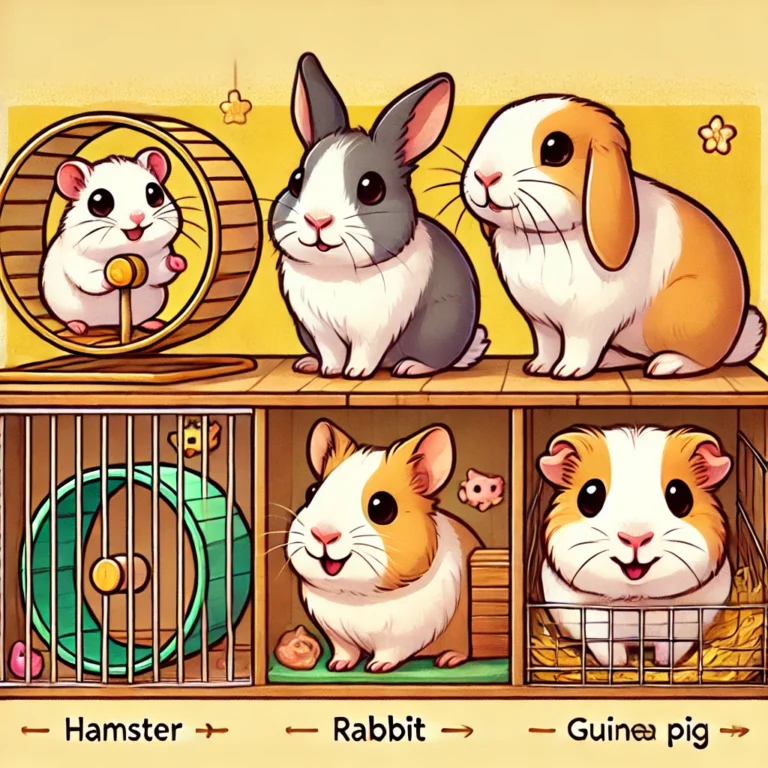
- Guinea Pig (Cavia porcellus) – Gentle, vocal, and eager for gentle petting. They thrive in pairs, enjoying mutual grooming and conversation. Wikipedia
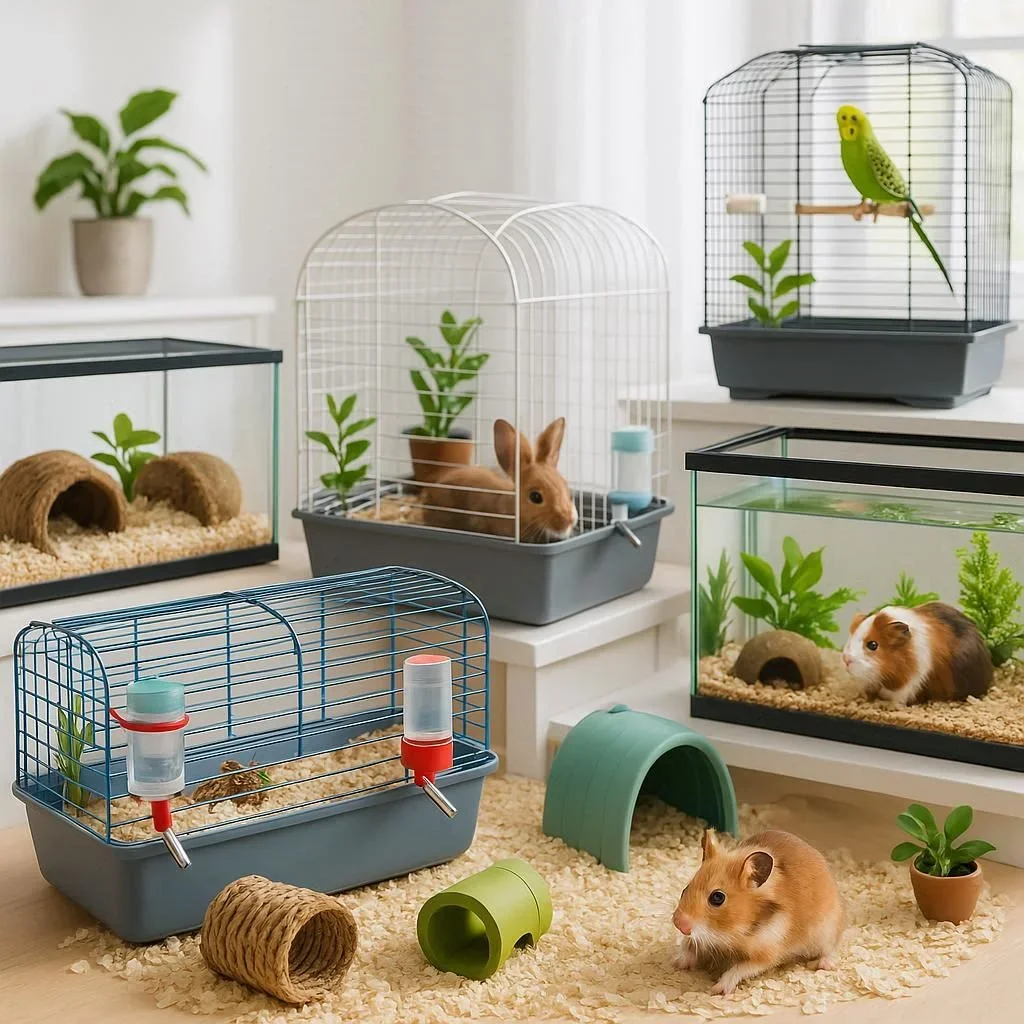
- Dwarf Hamster (Phodopus spp.) – Curious and active, especially when handled from a young age. They prefer a tunnel system that mimics burrowing behavior. AVMA Hamster Care
- Rabbit (Oryctolagus cuniculus) – Social and can be litter‑trained, making them apartment‑friendly. Regular grooming and interactive play keep them content. RSPCA Rabbit Advice
- Budgerigar (Melopsittacus undulatus) – Small parakeet known for mimicking speech and forming strong bonds with owners. Requires daily interaction and mental challenges. Wikipedia
- Betta Fish (Betta splendens) – Although not furry, bettas display curiosity and can recognize their caretaker’s face. Ideal for low‑maintenance but visually engaging setups. FDA Betta Care
Creating a Pet‑Friendly Environment
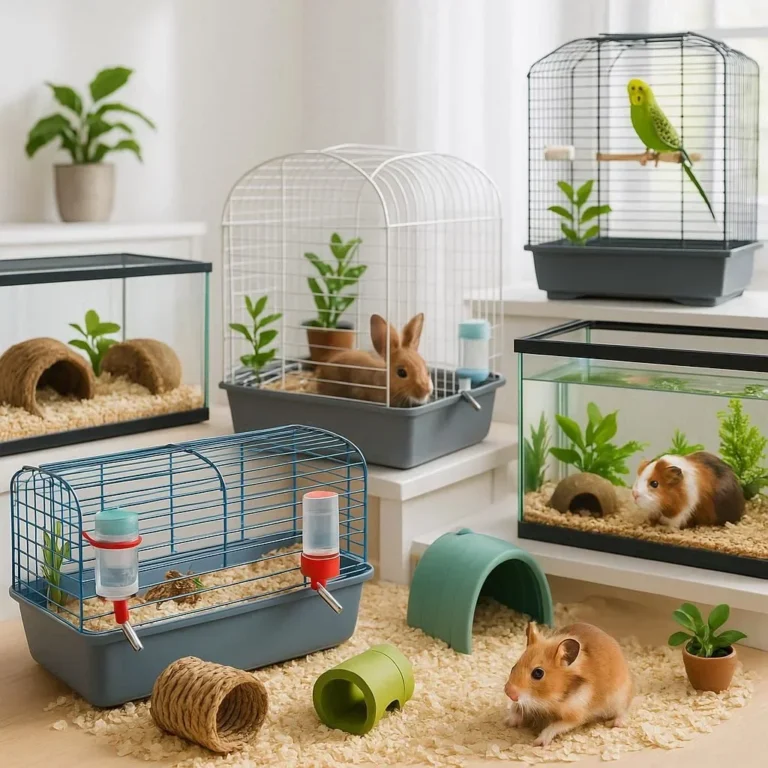
Even the most affable small animal needs a habitat that mirrors its natural instincts. Here are essential steps to ensure comfort and encourage sociability:
- Size‑Appropriate Enclosure – Provide at least 2‑3 times the animal’s body length in floor space; vertical space benefits climbers like hamsters.
- Enrichment Objects – Include tunnels, chew toys, and foraging puzzles to stimulate problem‑solving skills.
- Consistent Routine – Feed, clean, and interact at the same times each day to build trust.
- Gentle Handling – Start with short sessions, letting the pet explore your hand before lifting.
- Social Companions – Many small species, especially guinea pigs and rabbits, thrive in pairs or small groups; ensure compatibility before introduction.
Health and Wellness Tips for Social Small Pets
Maintaining the physical well‑being of a friendly small pet is as vital as fostering emotional bonds. Routine veterinary care, a balanced diet, and proper hygiene prevent common ailments that could undermine their sociable temperament.
For guinea pigs, vitamin C supplementation is essential to prevent scurvy, a condition highlighted by the National Institutes of Health. Rabbits require a high‑fiber diet rich in hay to support digestive health, as noted by the American Veterinary Medical Association. Regular nail trims, dental checks, and parasite prevention rounds out a comprehensive wellness plan.
Integrating Small Pets into Pet‑Friendly Apartments
Living in a compact space does not mean sacrificing companionship. Many landlords now allow low‑maintenance, compact companion animals, especially when owners can demonstrate responsible care. Before moving in, verify lease clauses regarding cage dimensions, noise levels, and any breed restrictions. Providing a sound‑absorbing cage liner and keeping a consistent cleaning schedule can mitigate potential complaints.
Additionally, consider portable enrichment kits that travel with you, ensuring your pet remains mentally engaged during relocations or vacations. A well‑socialized pet will adapt more readily to temporary changes, reducing stress for both animal and owner.
Strengthening the Human‑Pet Bond
Bonding with small animals is a gradual process that rewards patience. Engage daily through gentle petting, talking in a calm voice, and offering treats during training exercises. Positive reinforcement encourages trust and reinforces the friendly nature you cherish.
Studies from the University of Arizona demonstrate that even brief, consistent interactions can elevate oxytocin levels in both humans and small mammals, fostering a deeper emotional connection. Use this science‑backed insight to make each session meaningful and enjoyable.
Conclusion
Choosing a small pet with friendly nature opens the door to lasting companionship, emotional support, and manageable responsibility. Whether you opt for a chatter‑filled budgerigar, a cuddly guinea pig, or a curious dwarf hamster, the key lies in understanding each species’ needs, providing a nurturing environment, and committing to regular interaction. By following the guidelines above, you’ll create a thriving partnership that enriches both lives.
Ready to welcome a new friend into your home? Explore reputable breeders or local shelters today, and start building your bond with a sociable, low‑maintenance companion.
Frequently Asked Questions
Q1. What makes a small pet friendly?
Friendly small pets are species that naturally seek interaction with humans, display calm temperaments, and can be easily handled. They thrive on regular social contact and respond well to gentle handling, making them ideal for busy households.
Q2. Can guinea pigs live alone?
Guinea pigs are highly social and are happiest when kept in pairs or small groups. Living alone can lead to loneliness and stress, so it’s recommended to provide a companion of the same species.
Q3. How often should I clean a dwarf hamster’s cage?
A dwarf hamster’s cage should be spot‑cleaned daily to remove soiled bedding and uneaten food. A full substrate change and deep cleaning is advisable every two weeks to maintain hygiene.
Q4. Are budgerigars noisy for apartment living?
Budgerigars can be vocal, especially during dawn and dusk, but their chatter is typically softer than larger parrots. Providing toys and interaction can reduce excessive noise and keep them content.
Q5. What basic tank setup does a betta fish need?
Betta fish thrive in a minimum 5‑gallon tank with a gentle filter, heated water (78‑80°F), and plenty of places to hide, such as plants or caves. Regular water changes keep the environment healthy.