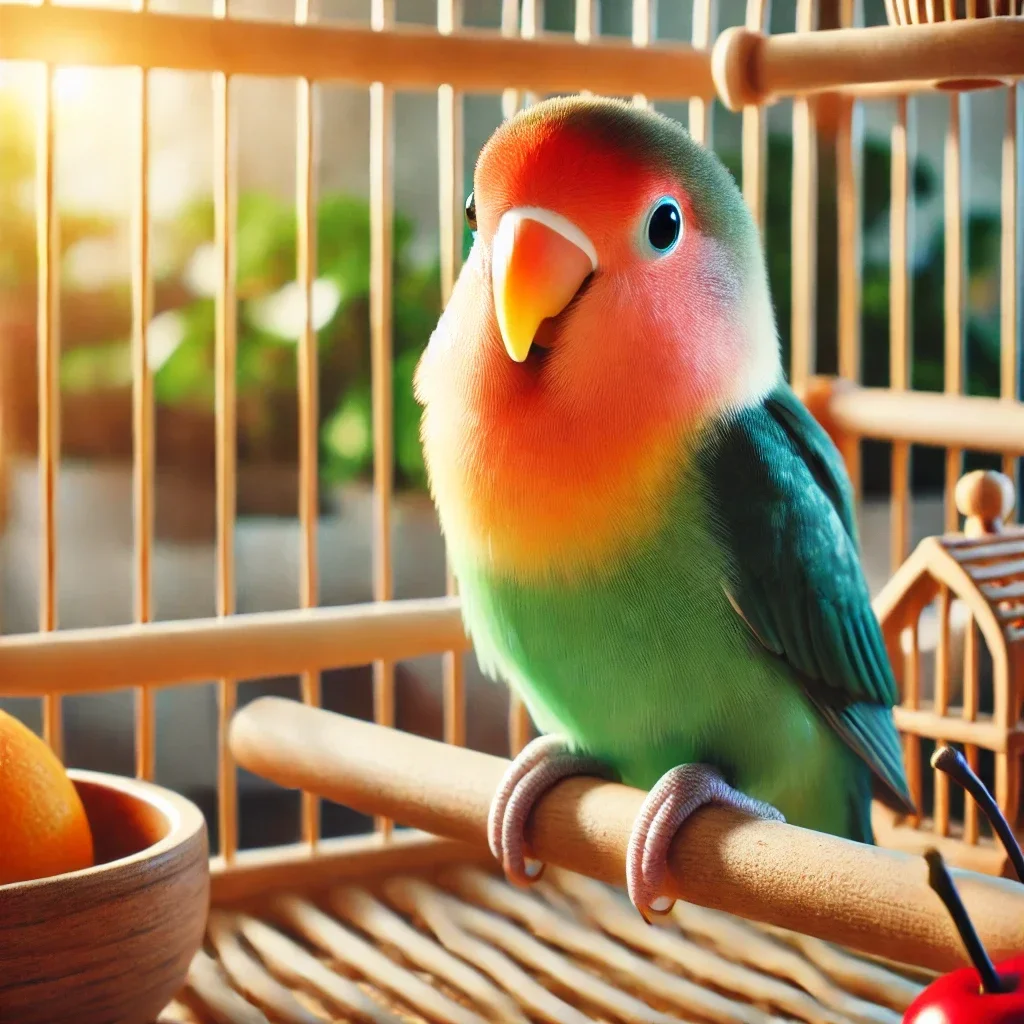
Best Caged Pets for Apartments
Living in a compact apartment doesn’t mean you have to give up the joy of pet ownership. The right best caged pets for apartments can thrive in limited space, stay quiet, and require minimal daily maintenance—perfect for renters who value a pet-friendly lifestyle. Below, we explore five low‑maintenance, space‑saving companions that bring personality and comfort without overwhelming a small living area.
1. Dwarf Hamsters: Tiny, Energetic, and Low‑Maintenance
Dwarf hamsters, such as the Russian and Campbell varieties, are among the most popular small‑apartment pets. Their cages can fit on a bookshelf or under a desk, and they are naturally nocturnal, meaning they are active when you’re likely at home. Despite their size, they provide endless entertainment with wheel‑running, burrowing, and climbing.
Key considerations for dwarf hamster care include:
- Cage Size: Minimum 450 square inches of floor space; a multi‑level habitat maximizes vertical play.
- Diet: Commercial hamster mix supplemented with occasional fresh fruit or vegetables.
- Social Needs: Most dwarf hamsters prefer solitary living to avoid territorial fights.
Because they produce little odor and require only a weekly cage clean, dwarf hamsters excel as quiet apartment companions. For more detailed species information, see the Wikipedia entry on dwarf hamsters.
2. Leopard Geckos: Reptilian Charm Without the Noise
Leopard geckos are an excellent choice for renters who appreciate a pet that is both fascinating and virtually silent. These desert‑adapted lizards thrive in a simple terrarium that can sit on a bedside table, and they do not require UVB lighting, reducing both equipment cost and electricity usage.
Essential care tips include:
- Habitat: A 20‑gallon tank with a heat mat and hiding spots mimics their natural environment.
- Feeding: Live or pre‑killed insects such as crickets and mealworms, dusted with calcium.
- Temperature: A daytime gradient of 88‑92°F (31‑33°C) and a nighttime drop to 70‑75°F (21‑24°C).
Their docile temperament makes handling easy for both beginners and seasoned reptile enthusiasts. Learn more about leopard gecko biology at the Leopard Gecko Wikipedia page.
3. Fancy Rats: Intelligent, Social, and Apartment‑Friendly
Contrary to common misconceptions, fancy rats are clean, intelligent, and highly sociable cage pets. Their curiosity and ability to learn tricks provide interactive experiences that rival larger mammals, while their small footprint fits comfortably on a desk or tabletop.
Key points for successful rat care:
- Cage: Minimum 2 cubic feet of space with multiple levels for climbing.
- Social Interaction: Keep at least a pair to satisfy their herd instincts.
- Enrichment: Provide tunnels, chew toys, and puzzle feeders to prevent boredom.
Rats thrive on a diet of high‑quality lab blocks enriched with fresh produce, and they are quick to adapt to a regular cleaning schedule. For authoritative guidance on rat welfare, consult the American Veterinary Medical Association’s rat information page.
4. Guinea Pigs: Gentle Companions with Minimal Odor
Guinea pigs (cavies) are beloved for their gentle demeanor and expressive vocalizations. While they are slightly larger than hamsters, a well‑ventilated 30‑gallon cage fits easily in most living rooms or balconies, and their daily routine—feeding, watering, and a short floor‑time walk—requires only a modest time commitment.
Essential care guidelines:
- Space: At least 7.5 square feet of floor area; adding a second level enhances exercise.
- Nutrition: Unlimited timothy hay, fortified pellets, and daily vitamin C supplements.
- Social Needs: Guinea pigs are herd animals; keeping two or more prevents loneliness.
They produce a mild scent that is easy to manage with regular bedding changes. Detailed breed information is available on the Guinea Pig Wikipedia page.
5. Budgerigars (Budgies): Small Birds with Big Personality
Budgerigars, often called budgies, are compact parrots that flourish in apartment environments. Their cages—typically 18x18x24 inches—occupy minimal floor space, and they enjoy a lively chatter that can be kept at a moderate volume with proper training.
Critical care aspects include:
- Cage: Minimum 30x18x18 inches with horizontal bars for climbing.
- Diet: High‑quality seed mix, fresh vegetables, and occasional fruit.
- Social Interaction: Daily handling and mental enrichment prevent feather‑pulling.
Budgies form strong bonds with owners and can learn to mimic simple words, providing interactive entertainment without the noise level of larger parrots. For scientific background, see the Budgerigar Wikipedia article.
Choosing the Right Apartment Pet
When selecting the best caged pets for apartments, consider three core factors: space, noise level, and maintenance. Small mammals like dwarf hamsters and rats need modest floor area but thrive on social interaction. Reptiles such as leopard geckos demand precise temperature control but are silent. Birds like budgies add vocal charm but require consistent mental stimulation.
Additionally, verify your lease agreement for any pet restrictions, and ensure the chosen cage fits comfortably in a well‑ventilated area away from direct sunlight or drafts. Many landlords appreciate the low‑impact nature of these pets, especially when owners maintain cleanliness and follow building rules.
Conclusion
Apartment living offers a unique set of challenges, but the right caged companion can transform a modest space into a lively, nurturing home. Whether you’re drawn to the playful energy of a dwarf hamster, the calm presence of a leopard gecko, the clever antics of a fancy rat, the soothing chatter of a budgerigar, or the gentle companionship of a guinea pig, each option fits comfortably within a smaller footprint while delivering big emotional rewards.
Ready to bring a new friend into your apartment? Explore our curated selection of cages, accessories, and starter kits today and make the transition to responsible pet ownership effortless.
Frequently Asked Questions
Q1. What size cage do I need for a dwarf hamster?
A dwarf hamster requires at least 450 square inches of floor space. Multi‑level cages maximize vertical play while keeping the footprint small. Aim for a cage that fits on a bookshelf or under a desk and provides a wheel, hideouts, and tunnels.
Q2. Are leopard geckos noisy pets?
No, leopard geckos are virtually silent, making them ideal for apartments where noise is a concern.
Q3. How many fancy rats should I keep together?
Rats thrive in pairs or small groups; keeping at least two satisfies their social nature and prevents loneliness.
Q4. Do guinea pigs need daily vitamin C?
Yes, guinea pigs cannot synthesize vitamin C, so a daily supplement or fresh vitamin‑C‑rich vegetables are essential for their health.
Q5. Can budgies be trained to talk?
Budgerigars can learn simple words and phrases with consistent, gentle repetition and positive reinforcement.