Unique Small Pets Guide
When you think about expanding your household with a new companion, the classic choices of dogs and cats often dominate the conversation. However, a growing number of pet enthusiasts are turning to unique small pets that offer a blend of curiosity, low‑maintenance care, and distinctive personalities. Whether you live in a city apartment or a suburban home, these unconventional creatures can thrive in modest spaces while providing endless entertainment. In this guide, we explore several remarkable options, discuss essential care considerations, and help you decide which petite pet aligns best with your lifestyle.
Why Choose Unique Small Pets?
Choosing an unconventional animal can bring several benefits beyond the novelty factor. First, many of these species have smaller footprints, requiring less floor space and often fitting comfortably in a single cage or terrarium. Second, they tend to have specialized behaviors that can be fascinating to observe, from the nocturnal foraging of hedgehogs to the aquatic grace of axolotls. Finally, offering a unique pet can foster a sense of responsibility and empathy, especially for children who learn to respect the needs of a creature that differs from typical household animals. If you’re looking for an exotic pet that challenges the status quo, the options below are worth serious consideration.
Hedgehogs: The Spiky Sweethearts
Hedgehogs have surged in popularity as a quirky, low‑maintenance companion. Native to Europe, Africa, and Asia, these nocturnal mammals are known for their characteristic spines and gentle temperament when handled regularly. They thrive in a controlled environment with a solid floor, bedding, and a wheel for exercise. Their diet consists mainly of high‑protein insectivore food, supplemented with occasional fruits and vegetables.
- Space requirements: A 4‑ft² enclosure with a secure lid.
- Social needs: Individual housing is preferred; they are solitary by nature.
- Lifespan: 3‑6 years with proper care.
Sugar Gliders: The Tiny Gliding Marsupials
For those intrigued by aerial antics, sugar gliders offer a captivating experience. These small, nocturnal marsupials originate from Australia and are renowned for their ability to glide up to 150 feet using a membrane extending from wrist to ankle. Their social structure is highly communal, so they thrive best in pairs or small groups. A spacious, multi‑level cage filled with branches, hiding spots, and toys mimics their natural arboreal habitat. Dietarily, they require a blend of fresh fruits, vegetables, protein sources, and specially formulated nectar mixes.
Potential owners should be aware of local regulations, as some U.S. states consider sugar gliders restricted species. Checking with your state’s wildlife authority, such as the U.S. Fish and Wildlife Service, ensures compliance before adoption.
Axolotls: The Eternal Larvae
Axolotls, often called “Mexican walking fish,” are actually neotenic salamanders that retain their larval features throughout life. Their striking appearance—featuring feathery gills and bright color morphs—makes them a standout choice for an aquatic low maintenance pet. They require a cool, filtered aquarium maintained at 60‑68°F (15‑20°C) and a diet of bloodworms, earthworms, or specialized pellets. Unlike many amphibians, axolotls do not require a land area, simplifying setup.
Scientific research highlights their regenerative capabilities, allowing them to regrow limbs and even portions of their brain. For a deeper dive into their biology, the Nature Communications article provides peer‑reviewed insight.
Dwarf Hamsters: Compact and Curious
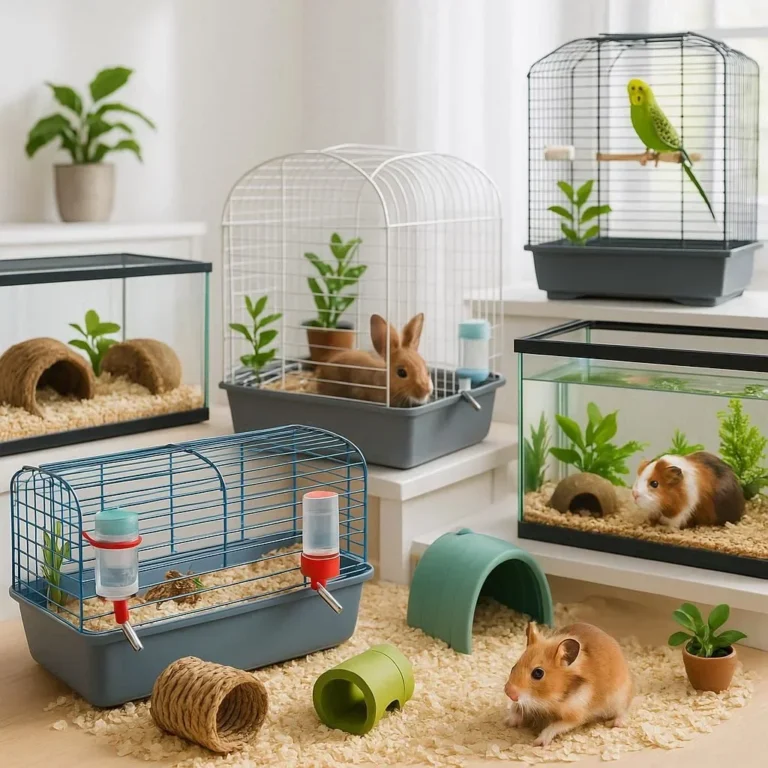
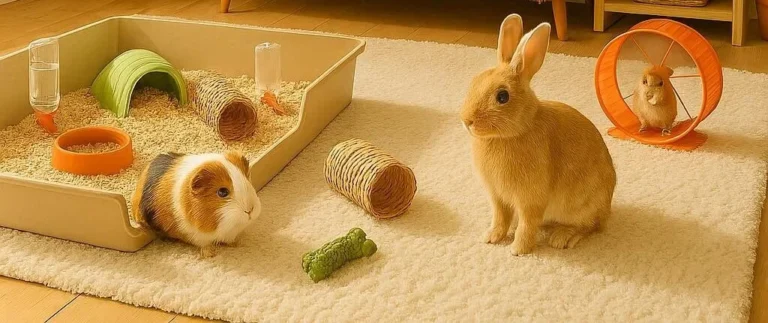
Dwarf hamsters, such as the Russian Campbell and Roborovski varieties, are among the smallest rodent pets available. Their diminutive size—often less than 3 inches—makes them ideal for apartment dwellers. They are active, social, and enjoy tunnels and chew toys that satisfy their natural digging instincts. A 20‑gal habitat with a deep layer of bedding, exercise wheel, and regular cleaning meets their needs. Their diet consists of high‑quality hamster mix, occasional seeds, and fresh produce.
Leopard Geckos: The Desert Dwellers
Leopard geckos are a beloved reptile choice for beginners due to their hardy nature and straightforward care requirements. Native to the arid regions of Afghanistan, Pakistan, and India, they thrive in a warm, dry terrarium equipped with a temperature gradient (80‑90°F on the warm side, 70°F on the cool side) and a substrate such as reptile bark. Feeding involves live insects—crickets, mealworms—dusted with calcium supplement.
These geckos are nocturnal, offering a unique view of nighttime activity. For a reputable source on proper husbandry, the Reptiles Magazine provides detailed care sheets.
Essential Care Tips for Small Pet Owners
Regardless of the species you select, certain universal principles apply to ensure healthy, happy pets:
- Research regulations: Verify that the animal is legal to own in your jurisdiction.
- Provide appropriate enclosure: Size, temperature, humidity, and enrichment must reflect natural habitats.
- Balanced nutrition: Consult species‑specific diets from veterinarians or accredited organizations.
- Regular health checks: Schedule annual exams with a licensed exotic‑animal veterinarian.
- Commitment to lifespan: Some unique pets, like hedgehogs, live several years; plan for long‑term care.
Choosing the Right Pet for Your Lifestyle
When deciding which unique small pet to welcome into your home, evaluate your daily routine, available space, and willingness to engage in specialized care. For instance, if you work long hours and seek a pet that can entertain itself, a dwarf hamster or axolotl may fit best. If you enjoy interactive play and have time to handle a pet daily, hedgehogs or sugar gliders could be more rewarding. Finally, consider any allergies or sensitivities; many exotic species produce dander or scents that may trigger reactions.
Conclusion
Exploring unique small pets opens a world of companionship that transcends traditional pet ownership. From the spiny charm of hedgehogs to the elegant glide of sugar gliders, each animal brings distinct joys and responsibilities. By conducting thorough research, preparing a suitable habitat, and committing to lifelong care, you can foster a thriving relationship with a pet that truly stands out.
Ready to enrich your life with a one‑of‑a‑kind companion? Browse reputable breeders, rescue groups, or specialty pet stores today and start the journey toward responsible pet ownership.
Frequently Asked Questions
Q1. What small pets are considered unique?
Unique small pets include hedgehogs, sugar gliders, axolotls, dwarf hamsters, and leopard geckos. These species offer distinct behaviors and require specialized but manageable care, making them stand out from traditional cats and dogs.
Q2. How much space does a hedgehog need?
A hedgehog thrives in a minimum 4‑ft² enclosure with a solid floor, bedding, and a running wheel. The cage should have a secure lid and allow for easy cleaning to maintain hygiene.
Q3. Do sugar gliders require a companion?
Yes, sugar gliders are highly social and do best in pairs or small groups. Keeping them together prevents loneliness and encourages natural gliding and bonding behaviors.
Q4. What temperature range is ideal for an axolotl?
Axolotls need cool water kept between 60‑68°F (15‑20°C). A reliable aquarium chiller or a well‑shaded tank helps maintain this range and supports their health.
Q5. Are leopard geckos suitable for beginners?
Leopard geckos are often recommended for first‑time reptile owners because they are hardy, have simple temperature needs, and accept readily available insect diets.