Small Pets That Live Long
When you’re choosing a companion animal, the length of its life can be a decisive factor. For many families, a pet that sticks around for a decade or more offers stability, affection, and a sense of continuity. In this guide we explore small pets that live long, highlight the species with the longest lifespans, and share proven strategies to keep them thriving well into their senior years.
Why Lifespan Matters for Small Companion Animals
Understanding the expected longevity of a small pet helps you plan for proper housing, budgeting for food and veterinary care, and emotional preparedness for the animal’s developmental stages. A longer‑lived pet can become a true member of the household, participating in milestones like graduations and holidays. Moreover, seniors often develop strong bonds with the calm, steady presence that many small animals provide, which can enhance mental wellbeing for owners of all ages.
Top Long‑Lived Small Pets
Below is a concise list of small species that regularly surpass the ten‑year mark when given optimal care. These animals are celebrated for both their charm and their impressive durability.
- Guinea Pig (Cavia porcellus) – Average 5‑8 years, with many reaching 10 years. Proper diet, vitamin C supplementation, and regular health checks are essential. Learn more on Wikipedia.
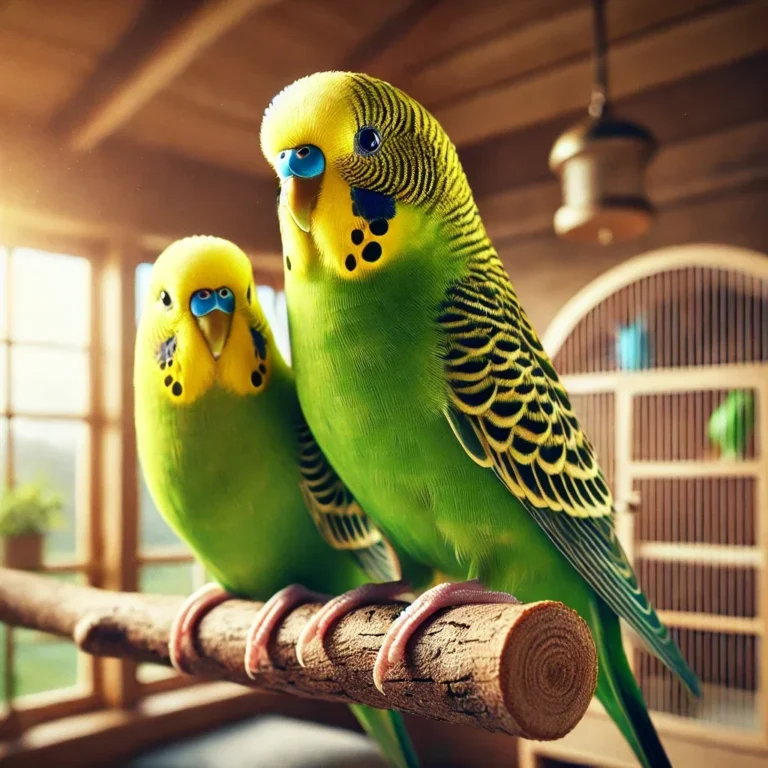
- Budgerigar (Melopsittacus undulatus) – The most common small parrot, often lives 10‑15 years, and exceptional individuals can hit 20 years. Enrichment and a varied seed‑fruit diet extend their years. Detailed information is available at Wikipedia.
- Russian Hamster (Phodopus sungorus) – Typically 2‑3 years, but with superior genetics and low‑stress environments they can reach 4‑5 years, approaching the upper limits for hamsters.
- Betta Fish (Betta splendens) – In well‑maintained aquaria, bettas can thrive for 3‑5 years, with some reports of 7‑year lifespans when water quality is meticulously managed.
- African Dwarf Frog (Hymenochirus brachyurus) – Often lives 5‑8 years, occasionally up to 10 years with proper water parameters and diet.
These species exemplify the concept of long‑lived small pets, offering years of companionship when you invest in their health.
Tips to Extend Their Years
Even the most robust pet benefits from attentive husbandry. Below are evidence‑based practices drawn from veterinary research and reputable animal‑care organizations.
- Balanced Nutrition – A diet tailored to the species prevents deficiencies. For guinea pigs, supplementing vitamin C is critical because they cannot synthesize it themselves. The CDC’s One Health portal outlines nutritional basics for many small animals.
- Environmental Enrichment – Mental stimulation reduces stress‑induced illnesses. Budgerigars need toys, mirrors, and safe foraging opportunities; hamsters benefit from tunnels and exercise wheels.
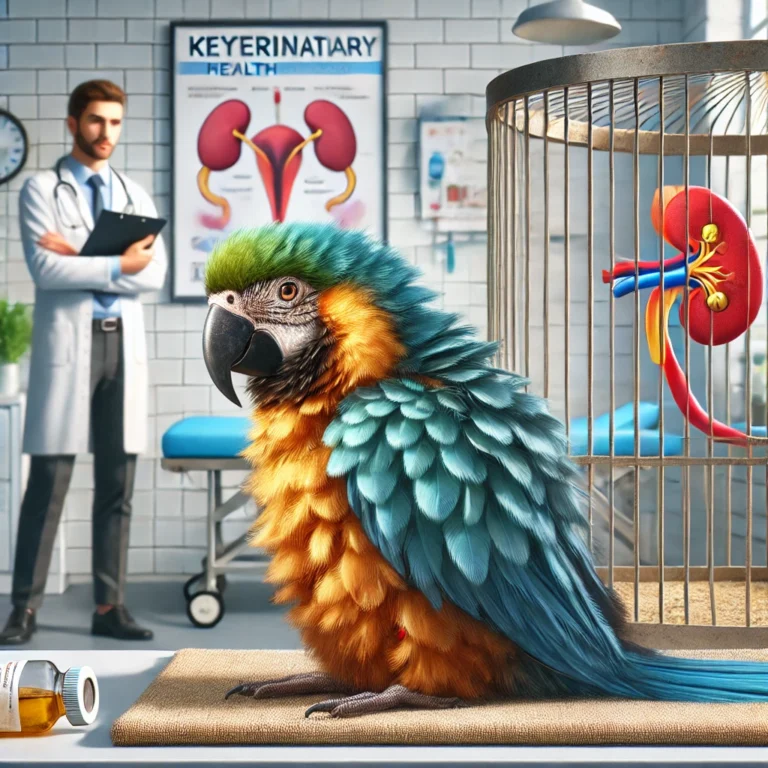
- Regular Veterinary Check‑ups – Early detection of dental disease, respiratory infections, or skin conditions can dramatically improve outcomes. The MSPCA recommends an annual wellness exam for pets under three years and semi‑annual visits for seniors.
- Clean Water & Proper Habitat – Stagnant water breeds bacteria; frequent water changes and substrate replacement are vital, especially for amphibians and fish.
- Monitor for Senior‑Specific Issues – As pets age, they may develop arthritis, cataracts, or organ decline. Adjusting diet to senior formulas and providing soft bedding can ease discomfort.
Implementing these measures not only increases life expectancy but also enhances the quality of life, ensuring that your pet remains active and content throughout its senior phase.
Common Myths About Small Pet Longevity
Misconceptions can lead to inadequate care. Let’s debunk three frequent myths.
- Myth: “All small pets are short‑lived.” Fact: Species like budgerigars and African dwarf frogs often outlive the popular belief of a 2‑3 year lifespan.
- Myth: “A larger cage guarantees a longer life.” Fact: While space matters, hygiene, diet, and veterinary care have a greater impact on longevity than enclosure size alone.
- Myth: “Small pets don’t need regular vet visits.” Fact: Early health screenings prevent chronic conditions that could dramatically shorten a pet’s life.
Dispelling these myths empowers owners to make informed decisions that support the health‑span of their beloved companions.
Choosing the Right Long‑Lived Small Pet for Your Lifestyle
Before committing, evaluate your living situation, time availability, and budget. Budgerigars demand daily interaction and a noisy environment may be a factor in shared apartments. Guinea pigs prefer social companionship—consider keeping a pair. Hamsters are more solitary but require nightly activity windows.
For those seeking a low‑maintenance option, betta fish provide visual appeal with modest daily care, while African dwarf frogs offer an aquatic experience without the need for elaborate tank setups.
Conclusion: Invest in a Pet That Grows With You
Choosing a small pet that lives long can be a rewarding decision that enriches your home for many years. By selecting a species with proven longevity, providing a balanced diet, maintaining a clean environment, and scheduling regular veterinary visits, you set the foundation for a healthy, happy companion.
Ready to welcome a long‑lived small pet into your life? Explore reputable breeders, adopt from local shelters, and start planning a care routine today—your future furry or feathered friend is waiting!
Frequently Asked Questions
Q1. What small pets typically live longer than 10 years?
Many small species can exceed a decade when given proper care. Budgerigars often reach 12‑15 years, and some guinea pigs live up to 10 years with optimal nutrition and regular vet visits. African dwarf frogs and betta fish can also surprise owners by living several years beyond average expectations.
Q2. How can I extend the lifespan of my guinea pig?
Provide a vitamin‑C‑rich diet, fresh hay, and clean water daily. Regular health checks help catch dental or respiratory issues early, and a spacious cage with enrichment reduces stress.
Q3. Are small birds like budgerigars high maintenance?
Budgerigars need daily social interaction, a balanced seed‑fruit diet, and mental stimulation through toys. Their cages must be cleaned weekly, and they benefit from regular wing and nail trims by a qualified avian vet.
Q4. What are common health issues in senior small pets?
Older pets often face arthritis, dental disease, and organ decline such as kidney issues. Monitoring weight, providing soft bedding, and adjusting their diet to senior formulas can alleviate many symptoms.
Q5. How often should I schedule veterinary check‑ups for small pets?
Young, healthy small animals generally need an annual exam. Senior pets benefit from semi‑annual visits to catch age‑related problems early, and any sudden change in behavior should prompt an immediate check‑up.