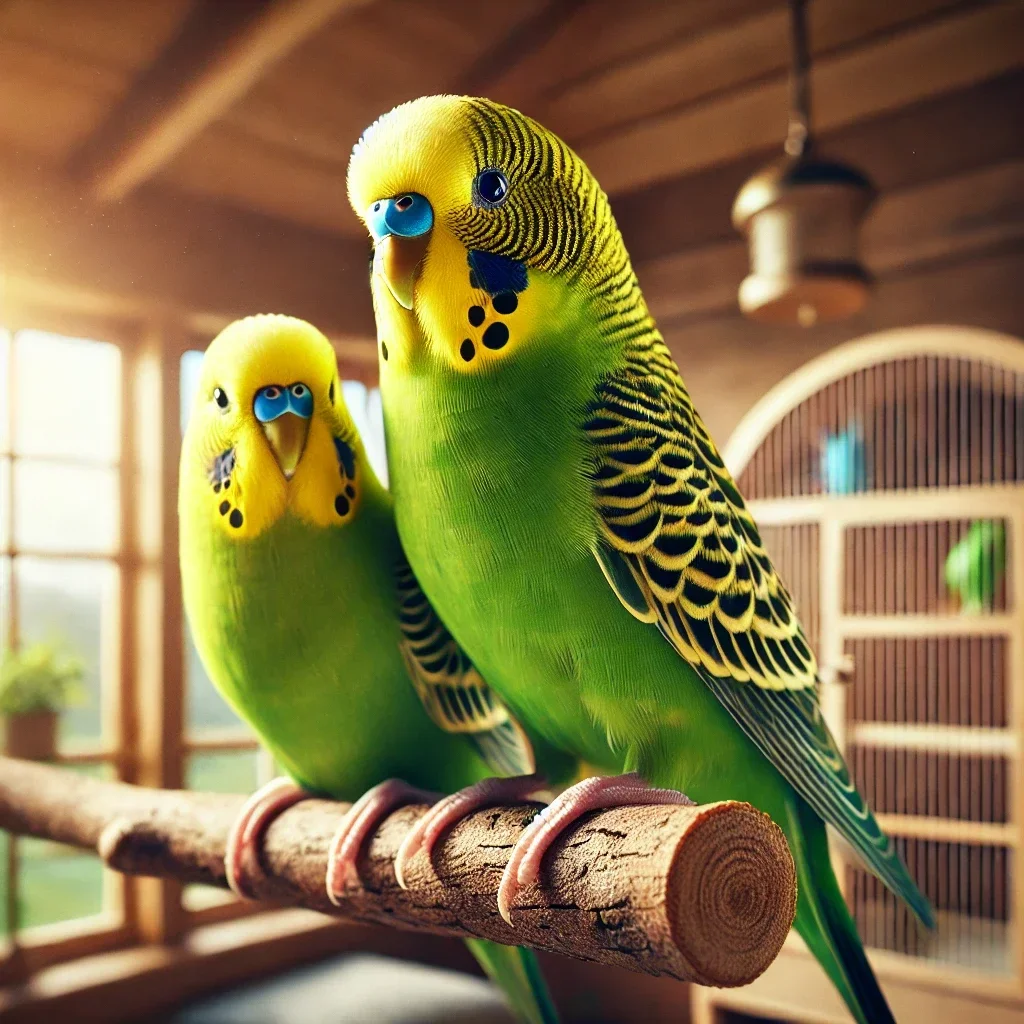
Social Pet Birds That Bond
When you choose a feathered companion, the promise of a close, interactive relationship often tops the list of expectations. Social pet birds that bond with their owners can become vocal, affectionate, and even empathetic members of the family. Understanding why certain species are predisposed to deep connections, how to foster those bonds, and what obstacles might arise equips you to create a thriving, lifelong partnership with your avian friend.
Why Social Birds Form Strong Bonds
Birds are fundamentally flock animals; in the wild they rely on tight-knit groups for safety, foraging, and communication. This evolutionary background translates into a natural desire for companionship when they live in captivity. Species that exhibit high social intelligence tend to see their human caretaker as part of their ‘flock.’ Hormonal pathways involving oxytocin-like peptides have been identified in parrots, mirroring the bonding mechanisms found in mammals (Parrot – Wikipedia). Additionally, many social pet birds are vocal learners, meaning they bind with humans through song and mimicry, reinforcing mutual affection.
Top Species Known for Bonding
While individual personality matters, certain avian species consistently demonstrate strong bonding tendencies. Below is a curated list of the most reliable companions for owners seeking a deep, interactive relationship.
- African Grey Parrot (Psittacus erithacus) – Renowned for cognitive abilities, African Greys often form lifelong bonds, responding to emotions with surprising empathy (BirdLife International).
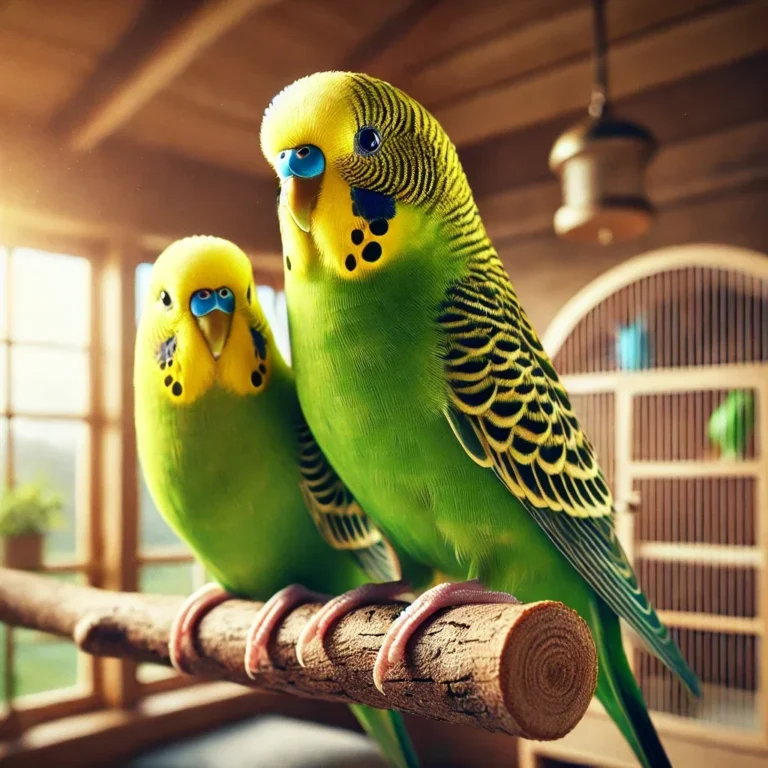
- Budgerigar (Melopsittacus undulatus) – Small yet socially savvy, budgies thrive on daily interaction and can develop a pet‑owner relationship comparable to that of larger parrots.
- Cockatiel (Nymphicus hollandicus) – Their affectionate head‑scratching and whistling make cockatiels eager to bond, especially when provided with routine affection.
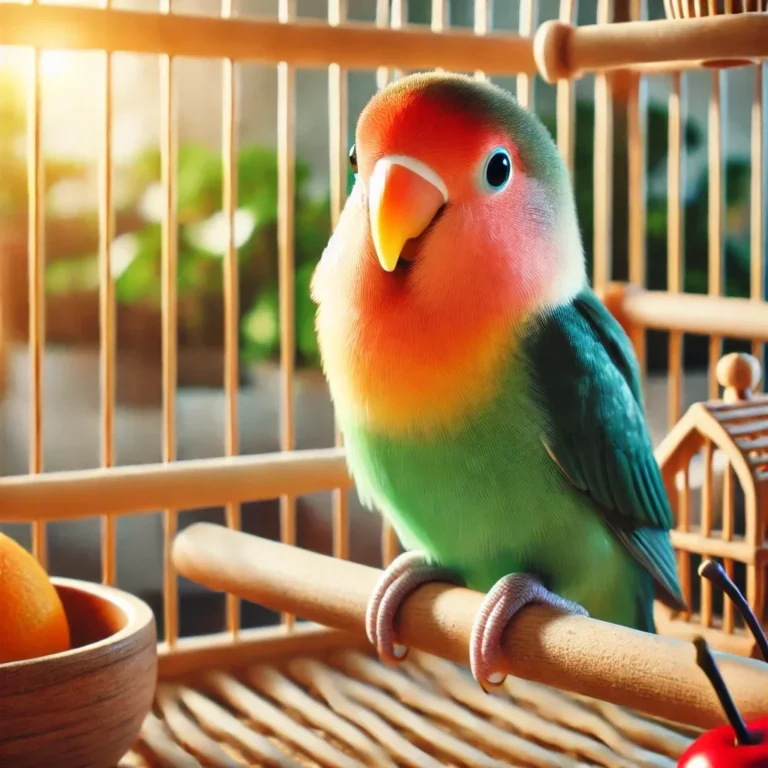
- Lovebird (Agapornis spp.) – True to their name, lovebirds are pair‑bonded by nature and often extend that loyalty to human companions when socialized early.
- Eclectus Parrot (Eclectus roratus) – Known for striking sexual dimorphism, Eclectus parrots are gentle, talkative, and bond quickly with patient owners.
Each of these species brings a unique blend of vocalization, playfulness, and emotional sensitivity that contributes to a rewarding bonding experience.
How to Encourage Bonding with Your Pet Bird
Creating a meaningful connection is a gradual process that blends consistency, respect, and enrichment. Follow these evidence‑based steps to nurture a trusting relationship:
- Establish a Routine – Birds thrive on predictable schedules for feeding, cleaning, and interaction. A consistent routine reduces stress and signals safety.
- Use Positive Reinforcement – Reward desired behaviors (e.g., stepping onto your hand) with treats, soft words, or gentle head pats. Avoid punitive measures, which can damage trust.
- Offer Enrichment – Provide foraging toys, mirrors, and safe chewable items. Enrichment mimics natural challenges and keeps the bird mentally engaged, making bonding moments more rewarding.
- Speak Softly and Mimic Natural Calls – Many social pet birds respond to calm, melodic speech. Repeating simple phrases or whistling can encourage vocal interaction.
- Respect Body Language – Observe signs like feather fluffing (relaxed), beak clicking (agitation), or wing spreading (playful). Responding appropriately reinforces mutual understanding.
By integrating these practices, you lay the groundwork for a partnership that feels as natural as any human‑to‑human friendship.
Common Challenges and Solutions
Even the most sociable birds can encounter obstacles that test the bond. Recognizing and addressing these issues early prevents long‑term frustration.
Fear of Hands
Some birds associate hands with potential danger, especially if they were rescued from a traumatic environment. Gradual desensitization—starting with hand‑holding near the cage, then slowly moving closer—helps rebuild confidence (NCBI Study on Avian Stress).
Vocal Aggression
Excessive screaming may signal boredom or a need for attention. Increase interactive playtime, introduce puzzle feeders, and ensure the bird receives adequate daylight. Over time, the bird learns that calm vocalizations garner positive responses.
Separation Anxiety
Highly bonded birds can become distressed when left alone. Counter this by providing a “companion” perch, rotating toys, and using background sounds like nature recordings to simulate a lively environment.
Addressing these challenges with patience and evidence‑based strategies preserves the integrity of your bond and promotes the bird’s overall well‑being.
Conclusion and Call to Action
Choosing a social pet bird that bonds with you opens the door to a relationship built on mutual respect, communication, and enjoyment. Whether you welcome an intelligent African Grey, a playful budgerigar, or a gentle cockatiel, the steps outlined above empower you to cultivate a deep, lasting connection.
Ready to start your journey with a bird that truly becomes part of the family? Explore reputable breeders, adopt from rescue organizations, and begin implementing the bonding techniques today. Your feathered companion is waiting—let the bond begin now!
Frequently Asked Questions
Q1. What makes a bird social and able to bond with humans?
Social birds are flock‑minded by nature; they rely on close relationships for safety and learning. Their brains produce oxytocin‑like hormones that encourage attachment, similar to mammals. When a human provides consistent, gentle interaction, the bird often treats the person as part of its flock.
Q2. How long does it typically take for a pet bird to trust its owner?
Trust develops gradually and varies by species and individual personality. Most birds begin showing signs of comfort after a few weeks of daily, calm interaction, while some may need several months. Patience, routine, and positive reinforcement speed the bonding process.
Q3. Can a bird that is fearful of hands ever become comfortable with handling?
Yes, through systematic desensitization. Start by placing a hand near the cage without touching, rewarding the bird for calm behavior, then slowly decrease the distance over days or weeks. Consistent, gentle exposure teaches the bird that hands are not a threat.
Q4. What are effective ways to reduce excessive screaming in a bonded bird?
Excessive vocalization often signals boredom or a need for attention. Increase enrichment with puzzle toys, foraging activities, and interactive playtime. Providing a balanced schedule of interaction and quiet periods helps the bird learn when quiet vocalizations are more rewarding.
Q5. How can owners prevent separation anxiety in highly bonded birds?
Introduce background noise such as nature recordings or soft music to create a comforting environment when you’re away. Rotate toys and place a perch or companion bird (if appropriate) to keep the bird mentally stimulated. Gradual short departures build confidence over time.