Small Pets with Friendly Nature
Choosing a companion that fits comfortably into a busy lifestyle can be challenging, but small pets with friendly nature offer a delightful solution. These animals often require less space and lower maintenance than larger pets, yet they provide genuine emotional connections and can be excellent for families, seniors, or first‑time owners. In this guide we explore the most approachable species, essential care tips, and how to create a happy home for a new, affectionate friend.
Why Small Friendly Pets Thrive in Modern Homes
Urban apartments, shared rentals, and limited outdoor spaces have turned many households toward smaller companions. A pet’s friendly disposition is especially valuable because it encourages interaction, reduces stress, and promotes routine. Research from the National Institutes of Health shows that regular contact with sociable animals can lower blood pressure and improve mental health. Moreover, small pets are generally easier to transport for veterinary visits or when traveling, making them practical for people on the move.
Top Small Pets Known for Their Affable Temperament
Not every pocket‑sized animal has a sociable streak. Below is a curated list of species that consistently rank high for friendliness, based on surveys from the ASPCA and academic studies on animal behavior.
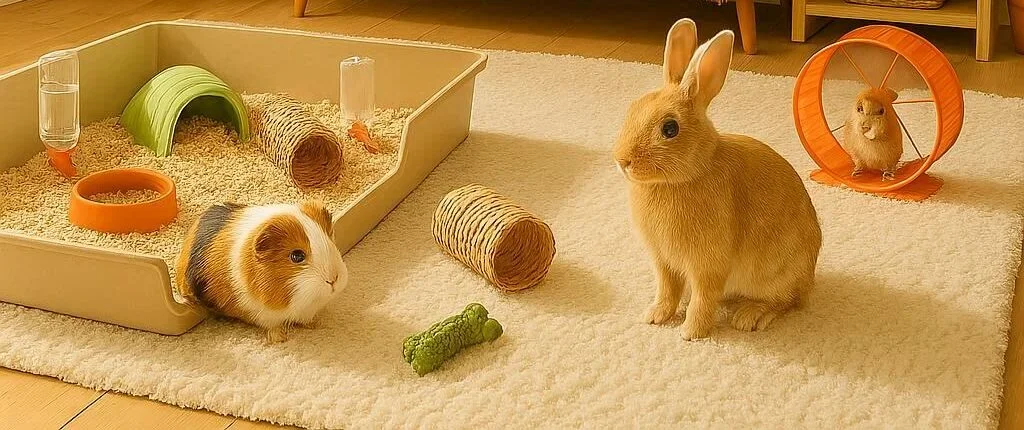
- Guinea Pigs – Gentle, vocal, and eager for human interaction; they thrive on handling and respond well to gentle petting.
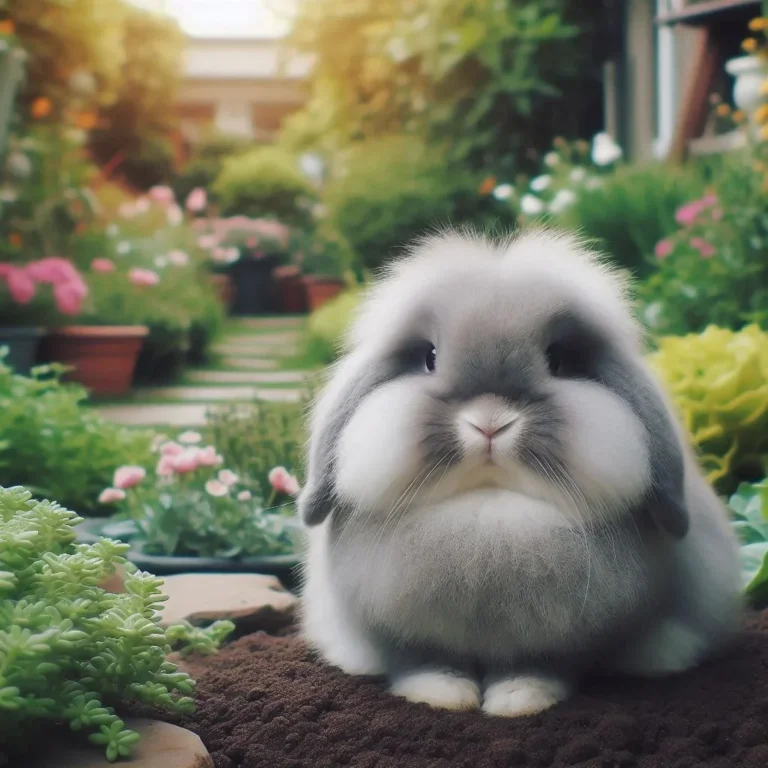
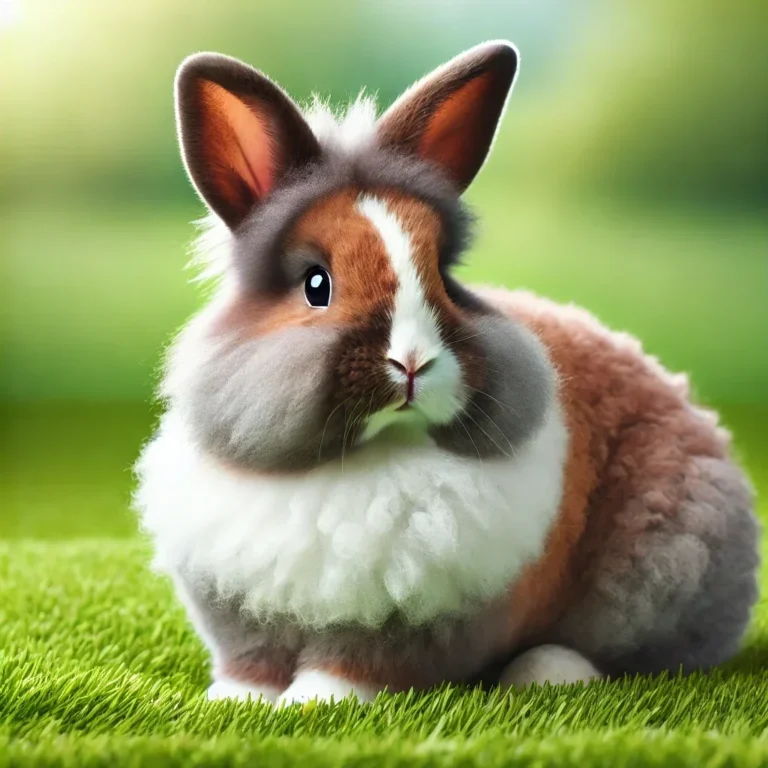
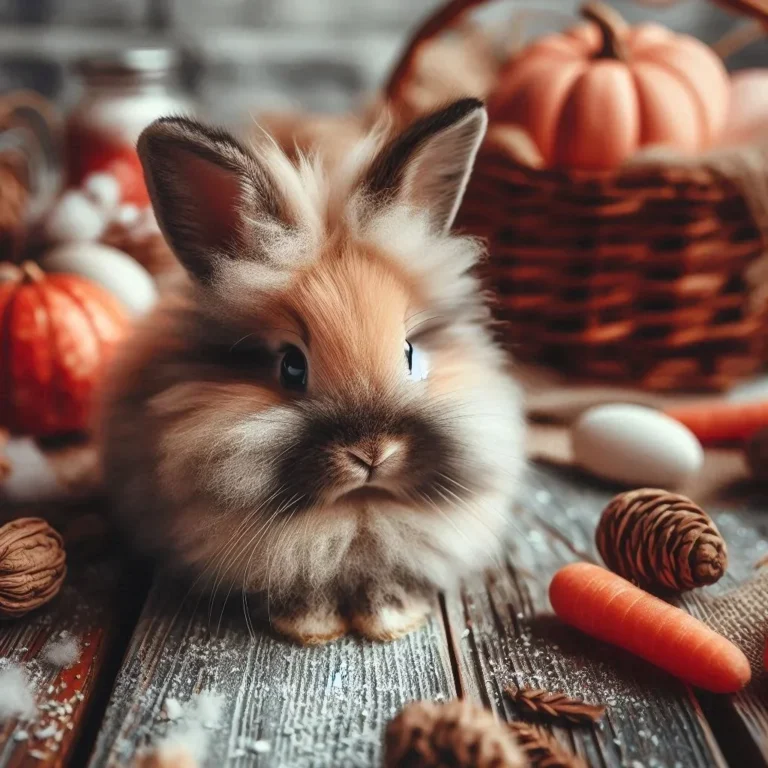
- Rabbits – Curiosity drives them to explore hands, and they often learn simple tricks when rewarded with treats.
- Fancy Rats – Intelligent and highly trainable, these rats form bonds that can rival those of cats.
- Betta Fish – While not tactile, they display bright colors and interactive swimming patterns that captivate owners.
- Budgerigars (Parakeets) – Social birds that love to chatter and can mimic simple words, creating a lively atmosphere.
Each of these animals brings a distinct blend of affection, playfulness, and low‑maintenance requirements, making them ideal candidates for anyone seeking a friendly, small companion.
Essential Care Guidelines for Friendly Small Pets
Even the most low‑maintenance pet deserves attentive care. Below are universal principles every owner should follow to ensure a pet’s well‑being while preserving its amiable nature.
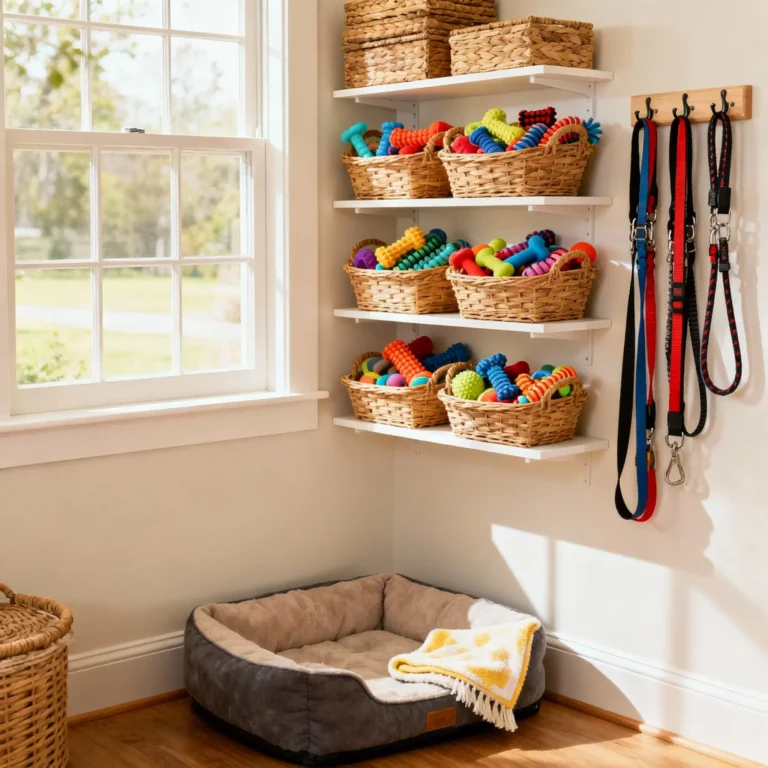
- Habitat Setup – Provide adequate space, ventilation, and enrichment items such as tunnels for guinea pigs or chew toys for rats.
- Nutrition – Offer species‑specific diets; for instance, rabbits need hay and fresh leafy greens, while budgies require a seed mix fortified with vitamins.
- Social Interaction – Schedule daily handling sessions; short, gentle contacts prevent stress and reinforce friendly behavior.
- Health Monitoring – Regularly check for signs of illness and schedule veterinary exams at least once a year. The American Veterinary Medical Association provides pet‑specific health checklists.
By adhering to these basics, you create an environment where your small pet can flourish and remain eager for companionship.
Integrating Your New Companion into Family Life
Introducing a small pet to children or other household members requires a thoughtful approach. Teach gentle handling, respect for the animal’s space, and the importance of routine. For families with multiple pets, gradual introductions—starting with scent exchanges and supervised visits—help prevent territorial aggression. According to a study published by Animal Assisted Therapy research, children who interact regularly with friendly pets show improved empathy and social skills.
Consider designating a quiet corner for the pet’s cage or enclosure, ensuring it is away from high‑traffic zones but still within sight. This balance lets the animal feel secure while staying part of daily household activities.
Choosing the Right Pet for Your Lifestyle
Before committing, evaluate your schedule, space, and any allergies. Some small pets, like guinea pigs, are low‑allergen compared with cats or dogs, making them suitable for hypersensitive individuals. If travel is frequent, a betta fish or a rabbit housed in a secure carrier may be easier to manage than a pet requiring daily cage cleaning.
When possible, visit local shelters or rescue groups. Many friendly small animals await adoption, and shelter staff can match you with a pet whose personality aligns with your expectations. Adoption also supports animal welfare and reduces shelter overcrowding.
Conclusion: Embrace the Joy of Small Friendly Pets
Whether you’re seeking a calm companion for quiet evenings or an interactive buddy that brightens busy mornings, small pets with friendly nature deliver both love and practicality. By selecting the right species, providing proper care, and fostering a nurturing environment, you’ll enjoy years of mutual affection and emotional enrichment.
Ready to welcome a friendly small pet into your home? Explore reputable breeders, local shelters, or rescue organizations today, and give a gentle soul the chance to become part of your family. Your new companion is waiting—take the first step now!
Frequently Asked Questions
Q1. What makes a small pet “friendly”?
Friendliness usually refers to a pet’s willingness to interact with humans, tolerate handling, and show curiosity. Species like guinea pigs, rabbits, and budgerigars are naturally sociable, while individual temperament also depends on early socialization and environment.
Q2. How much space does a guinea pig need?
A single guinea pig should have at least 7.5 square feet of floor space, with a minimum cage height of 12 inches. Provide hiding spots and a larger enclosure if you keep more than one, as they enjoy companionship.
Q3. Can rats be trained like cats?
Yes, fancy rats are highly intelligent and can learn tricks such as coming when called, navigating mazes, or even using a litter box. Consistent positive reinforcement with treats works best for training.
Q4. Are betta fish suitable for a beginner?
Betta fish are low‑maintenance compared with many other fish, needing a small tank (minimum 5 gallons), regular water changes, and a balanced diet. However, they still require proper filtration and temperature control.
Q5. How do I introduce a new rabbit to children?
Start with supervised, gentle handling sessions and teach kids to move slowly and speak softly. Provide the rabbit a safe retreat area and gradually increase interaction time as the rabbit becomes comfortable.