Small Pets Need Less Space
Living in a city apartment or a modest house doesn’t mean you have to give up the companionship of a furry or scaly friend. Small pets that need less space are ideal for renters, seniors, and busy professionals who want the joys of pet ownership without sacrificing precious square footage. In this guide we explore the most space‑efficient companions, highlight their care requirements, and explain why they make excellent choices for compact living environments.
Why Choose Compact Companions?
Space‑saving pets offer several practical benefits beyond the obvious footprint reduction. First, they usually require less equipment, which translates to lower upfront costs and simpler cleaning routines. Second, many of these animals thrive in confined habitats because they are naturally territorial and don’t need expansive territories to stay healthy. Finally, a smaller pet can fit seamlessly into a busy lifestyle, offering low‑maintenance interaction that still fulfills the human need for connection and routine.
Top Small Pets That Need Less Space
The following selection includes animals that are small in size, have modest enclosure requirements, and are widely recognized for their adaptability to apartment living. Each option is linked to reputable sources for deeper research.
- Dwarf Hamster – A popular rodent that typically lives comfortably in a 450‑square‑inch cage.
- Fancy Mouse – Requires only a small wire cage with climbing accessories.
- African Dwarf Frog – An aquatic amphibian that thrives in a 10‑gallon aquarium.
- Hermit Crab – Needs a shallow tank with sand and hiding spots, perfect for a windowsill.
- Betta Fish – Can live healthily in a 5‑gallon tank with proper filtration.
Care Essentials for Space‑Efficient Pets
Even the smallest companions need thoughtful care. Below are the core elements you’ll need to provide, regardless of the species you choose.
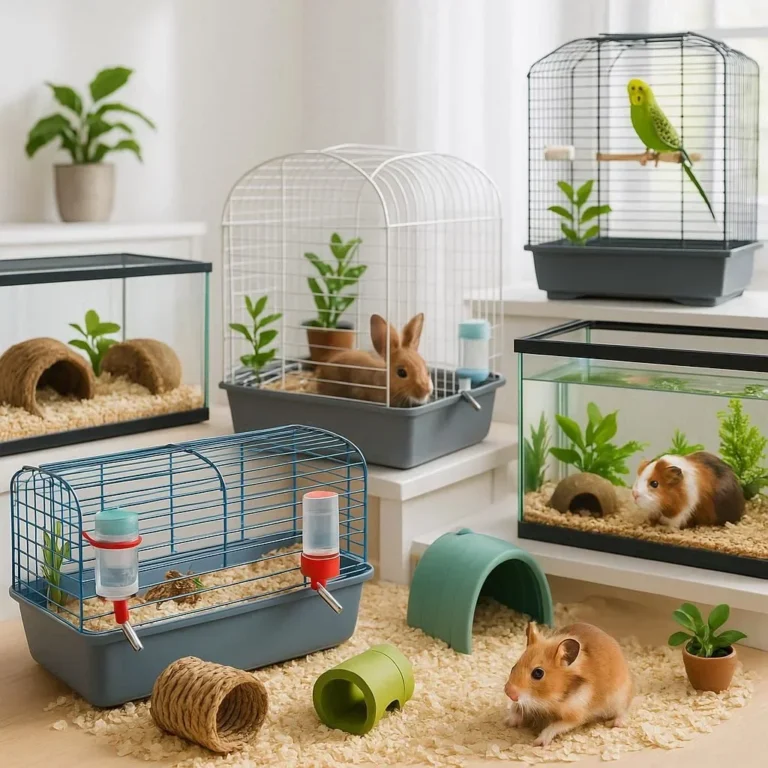
- Appropriate Housing: Select a cage, tank, or terrarium that meets the minimum size requirements outlined by reputable animal‑care organizations.
- Clean Environment: Perform regular spot cleaning and full substrate changes to prevent odor buildup and disease.
- Balanced Nutrition: Offer species‑specific diets—high‑quality pellets, live insects, or formulated fish foods—to support health.
- Enrichment: Provide tunnels, wheels, or floating toys to stimulate natural behaviors and reduce boredom.
- Veterinary Oversight: Even tiny pets need periodic health checks; locate a veterinarian experienced with exotic or small‑animal care.
Choosing the Right Pet for Your Lifestyle
Not all compact companions fit every household. Consider the following factors before making a decision:
- Allergies: Rodents and rabbits can trigger reactions; fish or amphibians are hypoallergenic alternatives.
- Time Commitment: Dwarf hamsters require daily interaction, whereas Betta fish need less hands‑on attention.
- Noise Level: Mice are relatively quiet, but some hamsters may make audible squeaks during nighttime activity.
- Legal Restrictions: Some municipalities have rules about keeping exotic amphibians or reptiles; always check local ordinances.
By aligning a pet’s needs with your schedule, budget, and living space, you’ll set the foundation for a harmonious relationship.
Space‑Saving Setup Tips
Maximizing limited room is achievable with clever organization. Here are proven strategies:
- Vertical Housing: Use wall‑mounted cages or tall terrariums to free floor space.
- Multi‑Purpose Furniture: Incorporate a pet enclosure into a bookshelf or under‑bed storage.
- Compact Filtration: Choose low‑profile filters that sit under the tank, keeping the top surface clear.
- Declutter Regularly: Rotate toys and accessories to keep the area tidy and the pet engaged.
These adjustments allow you to keep a small animal companion while preserving an open, breathable living environment.
Potential Pitfalls and How to Avoid Them
Even the most space‑conscious pet owner can encounter challenges. Common issues include inadequate ventilation, over‑crowding, and neglecting enrichment. To mitigate these risks, follow a routine checklist: inspect cage bars for sharp edges, monitor humidity levels for amphibians, and schedule weekly play sessions for rodents. Consistency is the key to preventing stress‑induced health problems.
Conclusion
Choosing small pets that need less space offers a practical pathway to animal companionship without sacrificing your living area. Whether you’re drawn to the energetic dash of a dwarf hamster, the curious scuttle of a fancy mouse, the gentle glide of an African dwarf frog, the quirky charm of a hermit crab, or the vivid beauty of a Betta fish, each option provides a rewarding experience tailored to compact dwellings. By understanding care essentials, matching a pet to your lifestyle, and implementing space‑saving setups, you’ll create a thriving ecosystem for both you and your new friend.
Ready to bring a space‑efficient companion into your home? Explore reputable breeders, visit local shelters, and start the journey toward a happier, more vibrant living space today.
Frequently Asked Questions
Q1. What types of small pets are best for apartment living?
Small rodents like dwarf hamsters and fancy mice, tiny amphibians such as African dwarf frogs, and low‑maintenance fish like Betta are ideal. They require minimal floor space and can thrive in compact cages or tanks. Their care routines fit well into busy schedules.
Q2. How much space does a Betta fish need?
A Betta fish can live healthily in a 5‑gallon tank with proper filtration and heating. Larger tanks are beneficial but not required for basic wellbeing. Ensure the surface area is enough to prevent water stagnation.
Q3. Are dwarf hamsters hypoallergenic?
While no animal is completely allergen‑free, dwarf hamsters produce less dander than larger pets. Regular cage cleaning and air filtration can further reduce allergy symptoms. People with severe sensitivities may still react.
Q4. What enrichment should I provide for a hermit crab?
Hermit crabs enjoy climbing structures, sand substrate, and shells of varying sizes for switching. Adding marine decor like driftwood and rocks encourages natural behavior. Rotate items periodically to keep their environment stimulating.
Q5. How often should I clean a small pet’s enclosure?
Spot‑clean daily to remove food waste and waste material. Perform a full substrate change and deep clean the cage or tank weekly for rodents, and every two weeks for aquatic setups. Consistent cleaning prevents odors and disease.