Most Popular Small Pet Choices
When apartment living or a busy schedule limits the space and time you can devote to a companion, the most popular small pet choices become a practical and rewarding solution. Small pets such as hamsters, guinea pigs, and dwarf rabbits offer affection, entertainment, and a manageable care routine that fits into modern lifestyles. In this guide we explore why these animals remain a favorite, outline the top five selections, and provide essential care tips to ensure a healthy, happy pet. By understanding the unique needs of each species, you can make an informed decision that aligns with your living situation, budget, and personal preferences.
Why Small Pets Remain Popular
First, small pets require considerably less square footage than larger animals, making them ideal for apartments, condos, or houses without a yard. Their compact cages or aquariums can be tucked into a corner while still providing enough room for exercise and enrichment. Second, many small species have shorter lifespans, which can feel less emotionally overwhelming for first‑time owners or those uncertain about a long‑term commitment. Finally, the cost of feeding, housing, and veterinary care for a hamster or a betta fish is often lower than that for a dog or cat, positioning them as budget‑friendly pets for students and young professionals.
Beyond practicality, small pets deliver genuine companionship. A curious mouse will explore tunnels at night, a rabbit will thump its hind legs in excitement, and a betta fish will flare its fins during feeding, creating moments of joy that reinforce the human‑animal bond. Moreover, studies from institutions such as the University of Oxford have shown that caring for a small animal can reduce stress hormones and improve mood, confirming that size does not limit therapeutic value.
Top Five Small Pet Choices
Below is a curated list of the most popular small pet choices, each supported by reputable sources that outline their care requirements and temperament.
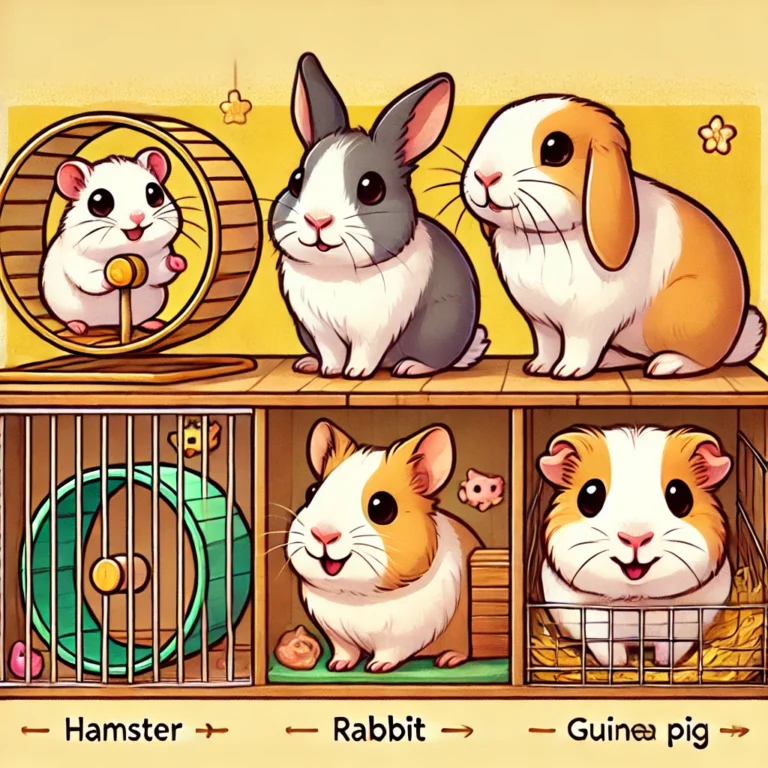
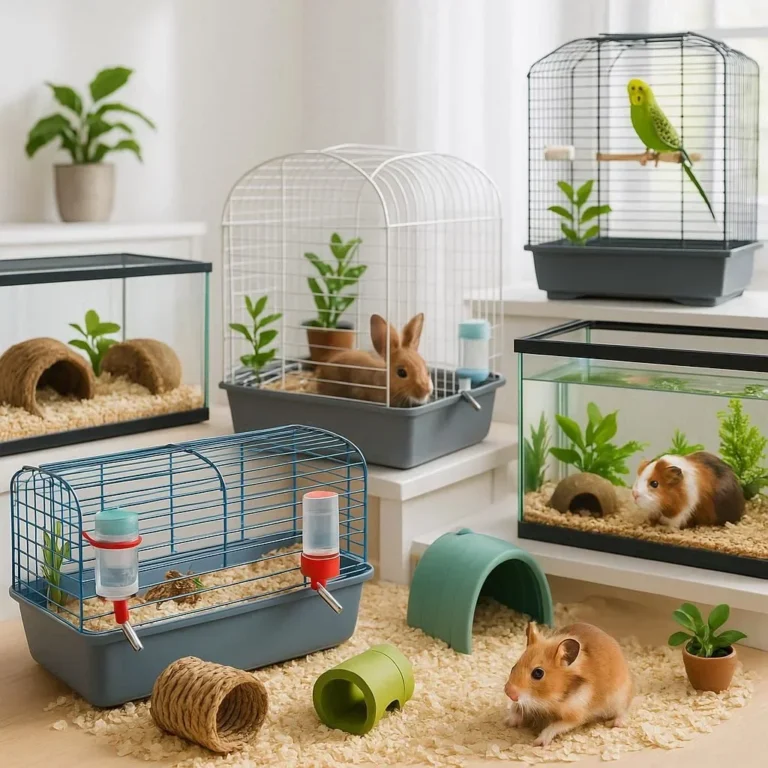
- Hamsters – Known for their nocturnal activity and cheek‑pouch storage, hamsters thrive in a 450‑square‑inch cage with a solid‑floor base. Learn more on Wikipedia.
- Guinea Pigs – Social herd animals that enjoy gentle handling and a diet rich in vitamin C. They need a spacious 7.5‑gallon enclosure with hiding places. Details are available at the AVMA website.
- Dwarf Rabbits – Agile and affectionate, dwarf breeds require a minimum of 4 square feet of floor space, regular grooming, and a high‑fiber diet. More information can be found on Wikipedia.
- Betta Fish – Vibrant, low‑maintenance aquatic pets that flourish in a 5‑gallon tank with filtered, heated water. Care guidelines are provided by the U.S. FDA.
- Leopard Geckos – Small, docile reptiles that prefer a terrarium with a temperature gradient and live insects. Their husbandry details are outlined on Wikipedia.
Each of these animals offers distinct benefits while sharing common traits: they are relatively low‑maintenance, can be housed indoors, and generally require less daily time commitment than larger companions. Selecting the right species depends on your willingness to provide specific environmental conditions, dietary needs, and interaction levels.
Care Essentials for Small Pets
Regardless of the species you choose, certain care fundamentals apply across the board. Providing a clean, safe enclosure is paramount; this includes regular substrate changes, proper ventilation, and escape‑proof lids. A pet health checklist should feature daily water refresh, appropriate nutrition, and routine observation for signs of illness such as lethargy, over‑grooming, or abnormal droppings. For instance, guinea pigs need a constant supply of fresh hay to support digestive health, while betta fish require a stable water temperature between 76°F and 82°F.
Enrichment is another critical component. Small animals are naturally curious and benefit from toys, tunnels, and foraging opportunities that stimulate mental activity. A hamster wheel, rabbit chew sticks, or floating toys for a betta fish can prevent boredom‑related behaviors like bar‑chewing or fin‑nipping. Additionally, handling sessions help build trust; start with short, gentle interactions and gradually increase duration as the animal becomes comfortable.
Choosing the Right Pet for Your Lifestyle
When evaluating the most popular small pet choices, consider your daily routine, living space, and financial commitment. If you work long hours, a low‑maintenance fish or a nocturnal hamster may suit you best, as they require minimal daily interaction. On the other hand, if you enjoy hands‑on companionship and have time for grooming, a dwarf rabbit or guinea pig offers a more interactive experience. Remember to factor in long‑term costs such as quality bedding, veterinary check‑ups, and specialized diets.
Another key factor is allergies. Some individuals react to dander from rodents or fur from rabbits, making fish or reptiles appealing alternatives. Additionally, check local regulations; certain municipalities have restrictions on keeping reptiles or exotic species. Consulting your local animal control office or a reputable pet store can prevent inadvertent legal issues.
Conclusion and Next Steps
Choosing from the most popular small pet choices means balancing space, time, and budget while prioritizing the animal’s well‑being. By understanding each species’ unique requirements—whether it’s a hamster’s wheel, a rabbit’s hay, or a betta’s filtered tank—you set the foundation for a thriving partnership. Ready to bring a new companion into your home? Start by researching the specific care sheet of your preferred pet, set up an appropriate enclosure, and source supplies from a trusted retailer. Take the first step today and discover which small pet fits your lifestyle best!
Frequently Asked Questions
Q1. What factors should I consider when choosing a small pet?
Consider your living space, daily schedule, budget, and any allergies. Small pets differ in enclosure size, noise level, and social needs, so match the animal to your lifestyle. Research the specific care requirements before making a decision.
Q2. How much space does a hamster need?
Hamsters thrive in a cage with at least 450 square inches of floor space and a solid floor base. Provide a multi‑level setup with a wheel and tunnels for exercise. Proper ventilation and a secure lid are also essential.
Q3. Are dwarf rabbits good for first‑time owners?
Dwarf rabbits can be suitable for beginners if you commit to daily handling, regular grooming, and a high‑fiber diet. They need a minimum of 4 square feet of floor space and safe chew toys to keep healthy teeth. Social interaction is important, so consider adopting a bonded pair.
Q4. What are the basic care requirements for a betta fish?
Betta fish need a heated tank of at least 5 gallons with a gentle filter and a stable temperature between 76°F‑82°F. Feed them high‑quality betta pellets and occasional frozen or live foods. Change 25‑30% of the water weekly to maintain water quality.
Q5. How often should I clean a small pet’s enclosure?
Spot‑clean daily by removing soiled bedding, uneaten food, and waste. Perform a full substrate change and deep cleaning every 2‑4 weeks, depending on the species. Regular cleaning helps prevent odors and disease.