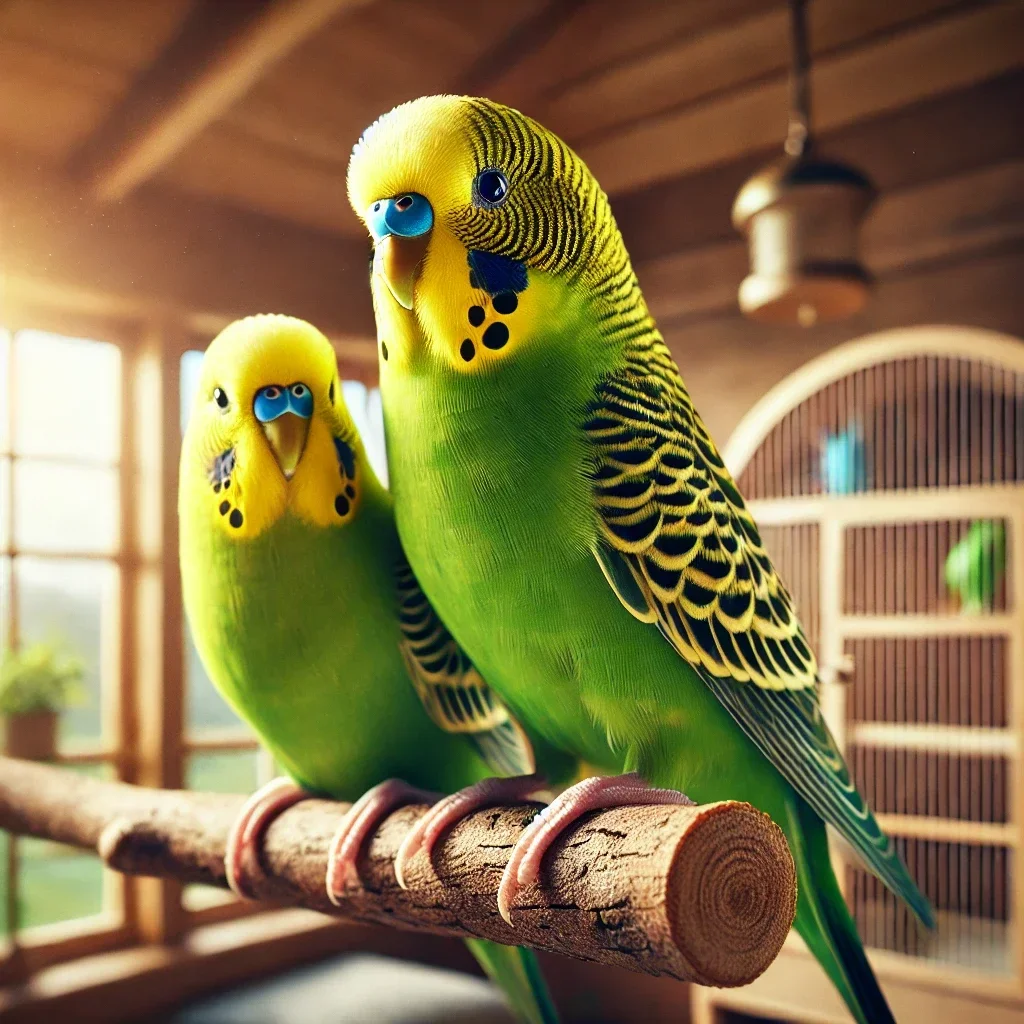
Pet Birds That Mimic Sounds
Pet birds that mimic sounds have fascinated humans for centuries, from the bustling marketplaces of ancient Egypt to modern living rooms filled with cheerful chatter. Their ability to echo human speech, environmental noises, and even other animals makes them standout companions for anyone interested in avian intelligence. In this guide we explore the science behind vocal imitation, highlight the most popular mimicking species, discuss the factors that shape their talent, and provide practical care tips so you can enjoy a chatty feathered friend responsibly.
Understanding Avian Mimicry
Vocal learning is a rare trait in the animal kingdom, shared only by a handful of mammals and birds. When a pet bird copies a sound, it engages a sophisticated neural network dedicated to auditory perception and motor control. Research from the Cornell Lab of Ornithology confirms that these birds develop a “template” of sounds they hear repeatedly, then practice until the imitation matches the original. This process, referred to as mimicry, is a form of cultural transmission that helps young birds adapt to noisy environments and may even boost their social standing within a flock.
Top Pet Birds Known for Mimicry
Not all pet birds possess the same level of vocal dexterity. Below is a concise list of the most reliable “talkers,” each renowned for a distinct repertoire of sounds.
- African Grey Parrot (Psittacus erithacus) – Often hailed as the smartest talking bird, it can mimic human speech with remarkable clarity and even understand context.
- Amazon Parrots (genus Amazona) – Species such as the Yellow‑naped Amazon excel at reproducing words, whistles, and household noises.
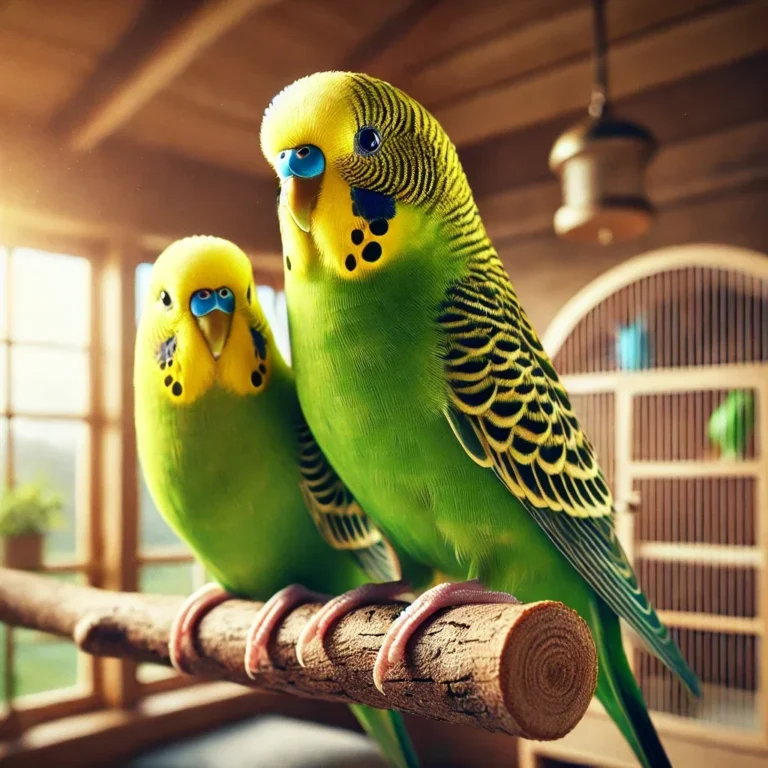
- Budgerigar (Melopsittacus undulatus) – Small but vocal, budgies frequently learn to say a handful of words and mimic phone ringtones.
- Eclectus Parrot (Eclectus roratus) – Known for a clear, resonant voice that makes them excellent conversationalists.
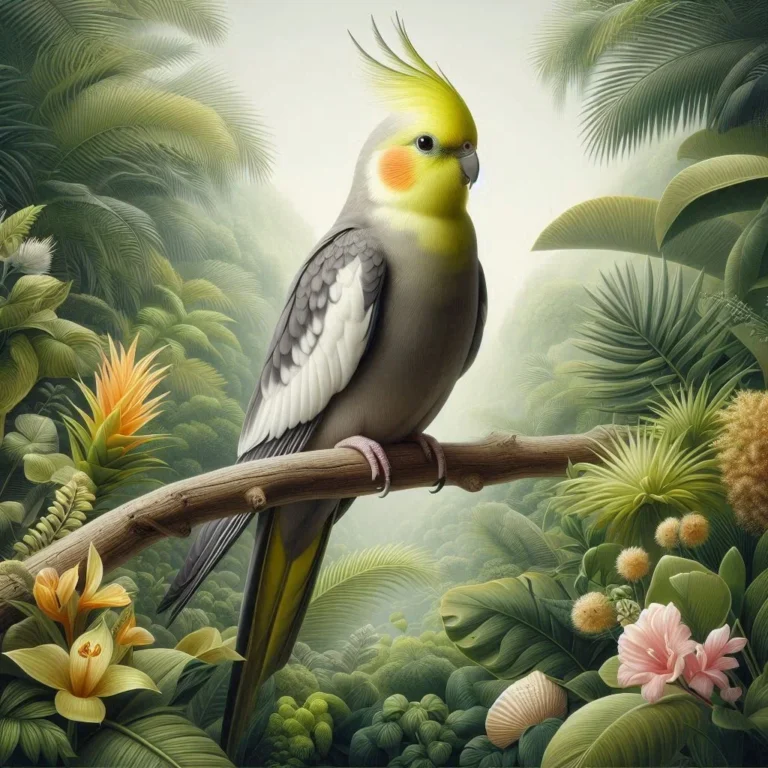
- Cockatiel (Nymphicus hollandicus) – While not as verbose as larger parrots, they love whistling and can mimic simple phrases.
Each of these species exhibits strong bird vocal learning capabilities, yet individual performance varies based on genetics, environment, and the amount of human interaction they receive.
Factors That Influence Mimicry Ability
Understanding why some pet birds become prodigious mimics while others remain quiet can help owners set realistic expectations. Key influences include:
- Age at exposure – Young birds are most receptive to new sounds; early auditory enrichment enhances later mimicry.
- Social environment – Regular conversation, varied auditory stimuli, and positive reinforcement accelerate learning.
- Health and nutrition – A balanced diet rich in calcium, protein, and essential fatty acids supports brain development essential for vocal training.
- Stress levels – Chronic stress can suppress a bird’s desire to vocalize, making calm, stable habitats crucial.
Studies published by the National Institutes of Health demonstrate that enriched acoustic environments correlate with increased synaptic density in the song control nuclei of parrots, directly linking environment to mimicry proficiency.
Caring for a Mimicking Pet Bird
Providing optimal care ensures your pet bird stays healthy enough to continue its vocal performances. Below are essential guidelines tailored for talkers:
- Nutrition – Offer a varied diet of high‑quality pellets, fresh fruits, vegetables, and occasional nuts. Calcium supplements (e.g., cuttlebone) aid in maintaining strong vocal cords.
- Social interaction – Spend at least 30 minutes daily conversing with your bird. Use consistent, clear words to build a reliable “vocabulary.”
- Environmental enrichment – Rotate toys, provide foraging challenges, and expose the bird to gentle background sounds like soft music or nature recordings.
- Training techniques – Positive reinforcement with treats works best. Teach one word at a time, repeat it in a calm tone, and reward immediate imitation.
- Veterinary care – Annual check‑ups with an avian‑specialized veterinarian (often found through the American Veterinary Medical Association) help detect issues that could affect vocal health.
Remember, a well‑balanced routine not only promotes vocal learning but also reduces behavioral problems such as screaming or feather plucking.
Common Myths About Talking Birds
Enthusiasts sometimes spread misconceptions that can lead to disappointment. Let’s debunk a few:
- Myth: All parrots will learn a full sentence within weeks.
Fact: Mastery depends on species, individual personality, and consistent training. - Myth: Birds only mimic to annoy owners.
Fact: Vocal imitation is a natural form of social bonding and environmental adaptation. - Myth: Once a word is learned, the bird will never forget it.
Fact: Like humans, birds can experience “language attrition” if a phrase isn’t used regularly.
Understanding these realities helps owners maintain patience and fosters a healthier relationship with their avian companion.
Choosing the Right Mimic for Your Lifestyle
Before committing to a pet bird that mimics sounds, consider your living situation, schedule, and experience level. Larger parrots such as African Greys demand extensive interaction and mental stimulation, while budgerigars and cockatiels can thrive in smaller apartments with moderate attention. The Wikipedia entry on parrots provides a comprehensive overview of size, lifespan, and care requirements for each species, helping you match a bird’s needs with your lifestyle.
Conclusion
Pet birds that mimic sounds offer a unique blend of companionship, intelligence, and entertainment. By understanding the science of vocal learning, selecting a species suited to your environment, and providing diligent care, you can enjoy a lifelong dialogue with a feathered friend. Ready to welcome a talker into your home? Explore our detailed species profiles, download our free training checklist, and subscribe today for the latest avian care tips.
Frequently Asked Questions
Q1. Which pet birds are best at mimicking sounds?
African Greys, Amazon parrots, budgerigars, Eclectus parrots, and cockatiels are the top species known for vocal imitation. Each has a natural propensity to copy human speech and environmental noises, though individual talent varies. Choosing the right species depends on your space, time, and experience level.
Q2. How early should I start teaching my bird to talk?
Start as soon as you bring the bird home, ideally when it is still a juvenile. Young birds have a critical period for auditory learning, making them more receptive to new sounds. Consistent, gentle repetition during this window yields the best results.
Q3. Can diet affect my bird’s ability to mimic?
Yes. A balanced diet rich in protein, calcium, and essential fatty acids supports brain function and vocal cord health. Nutritious foods like pellets, fresh fruit, vegetables, and occasional nuts enhance learning capacity.
Q4. Why does my bird sometimes scream instead of talking?
Screaming can be a sign of boredom, stress, or a need for social interaction. Providing mental enrichment, regular conversation, and a stable environment often reduces excessive noise. Positive reinforcement for quiet vocalizations also helps.
Q5. How can I keep my talking bird’s vocabulary from fading?
Regularly use and repeat the words you want your bird to retain. Birds experience “language attrition” if phrases aren’t heard often, similar to humans. Incorporating learned words into daily routines keeps the vocabulary fresh.