Friendly Pet Birds for Families
Choosing a friendly pet bird for families can add color, song, and gentle companionship to a bustling household. These feathered friends thrive on interaction, making them ideal for homes with children who are ready to learn responsibility. In this guide we explore the most approachable species, essential care tips, and safety measures so your new avian member grows happy and healthy. Whether you are drawn to the playful chatter of a budgerigar or the calm charisma of a cockatiel, understanding the unique needs of each bird ensures a smooth transition and lasting joy for every family member.
Friendly Pet Birds: Top Species
Not all birds are created equal when it comes to temperament, size, and maintenance requirements. Below are the most popular choices that consistently rank high for family friendliness, based on expert opinions and owner surveys. Budgerigars and cockatiels are especially popular as low‑maintenance pet birds for busy families, making them ideal candidates for households seeking the best family birds.
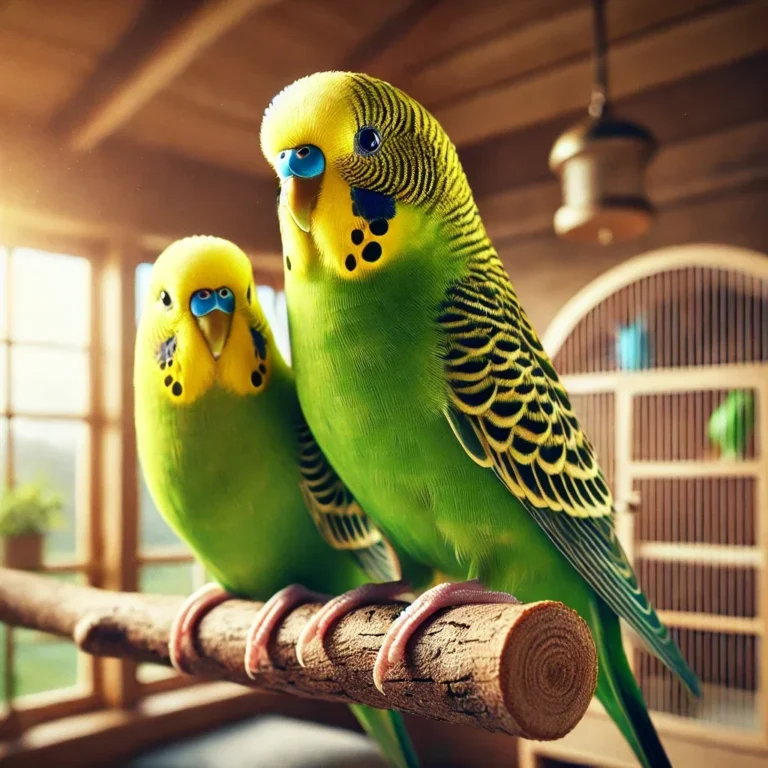
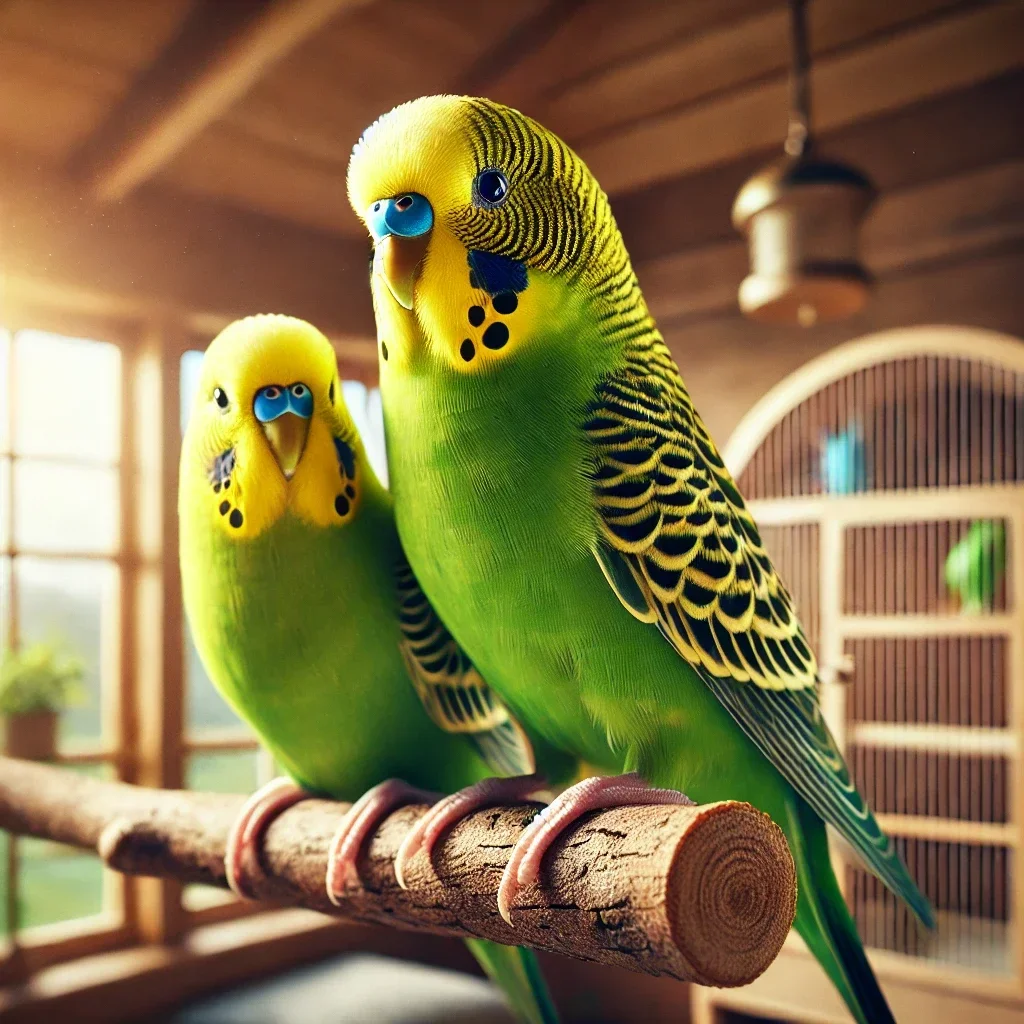
- Budgerigar (Budgie) – Small, lively, and easy to train, budgies are renowned for mimicking speech and forming strong bonds.
- Cockatiel – Known for a sweet whistling call and affectionate nature, cockatiels enjoy head scratches and can live for up to 20 years.
- Lovebird – Despite the name, lovebirds are sociable with people when hand‑tamed early, offering vibrant colors and playful antics.
- African Grey Parrot – Highly intelligent and capable of extensive vocabularies, they thrive in families that provide mental enrichment.
- Amazon Parrot – Energetic and talkative, Amazons are excellent for families seeking a larger bird with a strong personality.
For deeper species profiles, visit reputable sources such as Budgerigar Wikipedia and Cockatiel Wikipedia. The American Veterinary Medical Association also offers health guidelines specific to companion birds.
Friendly Pet Birds: Understanding Temperament
Temperament is shaped by species traits, socialization, and the environment you provide. A bird’s natural curiosity means it will observe household activity closely, which can be a source of entertainment or stress depending on the setting. Early handling—ideally beginning when the bird is around 6 weeks old—helps develop trust and reduces fearfulness. Parents should model calm behavior; sudden movements or loud noises can startle a bird and delay bonding.
Key temperament indicators include vocalization level, willingness to step onto a finger, and response to toys. Budgies, for example, are generally upbeat and enjoy interactive games, whereas African Greys may be quieter but demonstrate problem‑solving skills that need puzzle toys. Understanding these nuances allows families to match a bird’s personality with their lifestyle, whether you prefer a chatty companion or a more relaxed presence.
Friendly Pet Birds: Safe Home Environment
Safety is paramount when integrating a pet bird into a family home. Birds have delicate respiratory systems, so keep the environment free of aerosol sprays, scented candles, and heavy kitchen fumes. Windows and doors should be screened to prevent accidental escapes. Place the cage in a well‑lit area away from direct drafts and direct sunlight, which can cause overheating. Following these bird safety tips helps prevent accidents and reduces stress.
The Cornell Lab of Ornithology recommends using stainless steel perches and non‑toxic chew toys to avoid metal poisoning. Regularly inspect cage bars for sharp edges and replace worn accessories to minimize injury risk.
Friendly Pet Birds: Care Basics
Feeding a balanced diet is essential for vitality and bright plumage. A high‑quality seed mix can serve as a base, but supplement with fresh fruits, vegetables, and leafy greens daily. Budgies thrive on millet sprays, while cockatiels benefit from millet and occasional boiled egg for protein. Avoid avocado, chocolate, and caffeine, as these are toxic to birds.
Healthcare should include annual check‑ups with an avian‑qualified veterinarian, vaccination updates where applicable, and routine nail and beak trims. Monitoring droppings, appetite, and feather condition helps catch early signs of illness. Many families find a regular cleaning schedule—spot‑cleaning daily and deep‑cleaning the cage weekly—keeps the bird’s environment hygienic and reduces the risk of respiratory infections.
Friendly Pet Birds: Teaching Children Responsibility
Involving children in daily bird care reinforces responsibility and empathy. Assign age‑appropriate tasks such as refilling water dishes, gently wiping perches, or offering fresh veggies. Supervised handling sessions teach gentle touch and respect for the bird’s boundaries. Celebrate milestones, like the bird’s first successful perch on a child’s finger, to build confidence for both the child and the bird.
Families should set clear rules: no sudden grabs, no feeding sugary snacks, and always wash hands before and after interaction. By establishing a routine, children learn consistency, while the bird feels secure in a predictable environment.
Ready to welcome friendly pet birds into your family? Explore reputable breeders or adoption centers, gather the necessary supplies, and start your feathered adventure today. Remember, a well‑cared‑for bird brings years of joy, laughter, and learning to every household.
Frequently Asked Questions
Q1. Which friendly pet birds are best for families with children?
Budgerigars and cockatiels are popular choices because they are small, social, and relatively easy to care for. They enjoy interaction and can be hand‑tamed with gentle, consistent handling. These species also have longer lifespans, making them a lasting companion for growing kids.
Q2. How can I safely introduce a new bird to my home?
Place the cage in a quiet, well‑lit area away from drafts and direct sunlight. Give the bird time to adjust before handling, and gradually let family members interact using calm movements. Ensure windows and doors are screened to prevent accidental escapes.
Q3. What diet provides optimal health for friendly pet birds?
A high‑quality seed mix should be supplemented daily with fresh fruits, vegetables, and leafy greens. Include occasional protein sources such as boiled egg for cockatiels or millet sprays for budgies. Avoid toxic foods like avocado, chocolate, and caffeine.
Q4. How often should I clean my bird’s cage?
Spot‑clean waste and replace water daily, and perform a thorough deep‑clean of the cage, perches, and toys once a week. Use bird‑safe, non‑chemical cleaners and rinse everything well to avoid respiratory irritation. Regular cleaning helps prevent infections and keeps the environment fresh.
Q5. What role do children play in caring for a pet bird?
Children can help with age‑appropriate tasks such as refilling water, wiping perches, and offering fresh veggies under supervision. Assigning these responsibilities teaches empathy and consistency, which benefits the bird’s sense of security. Always ensure an adult oversees interactions to keep both the child and bird safe.