Most Beautiful Pet Bird Species
Choosing a new companion can be both exciting and overwhelming, especially when you want a pet that dazzles with color, song, and personality. The Most Beautiful Pet Bird Species are celebrated not only for their striking plumage but also for their intelligence and sociability. In this guide we explore why these avian wonders make superb companions, how to care for them responsibly, and which species consistently capture the hearts of bird enthusiasts worldwide. Whether you are a seasoned aviculturist or a first‑time bird owner, understanding the unique traits of each species will help you make an informed, ethical, and joyful addition to your home.
Top 7 Most Beautiful Pet Bird Species
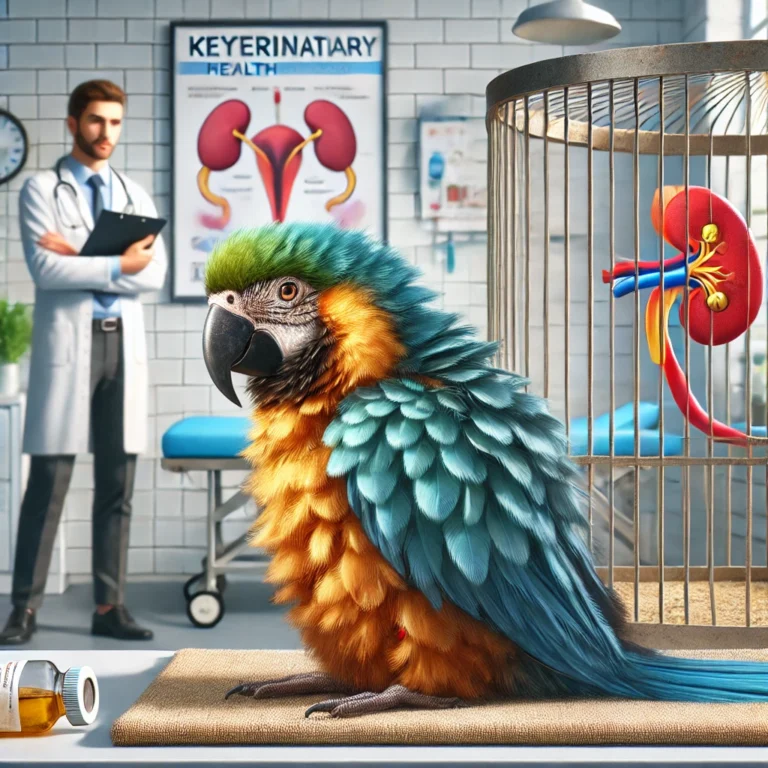
- Hyacinth Macaw (Anodorhynchus hyacinthinus) – The world’s largest flying parrot, the hyacinth macaw dazzles with its deep, royal blue feathers and striking yellow facial skin. Native to Brazil’s savannas, this bird requires a spacious aviary, a diet rich in nuts and fruits, and daily mental stimulation. Learn more on Wikipedia.
- Indian Ringneck Parakeet (Psittacula krameri) – Known for its vivid green body, bright orange beak, and a striking black collar, the Indian ringneck is both talkative and trainable. It adapts well to indoor life with a sturdy perch and regular foraging toys. See a detailed care sheet from ASPCA.
- Eclectus Parrot (Eclectus roratus) – Males sport a bright turquoise chest with orange shoulder patches, while females display a regal red and purple plumage. Their gentle nature and strong bond with owners make them excellent for families willing to invest time in enrichment. More about their natural history can be found on Wikipedia.
- Sun Conure (Aratinga solstitialis) – A burst of fiery orange, yellow, and red, the Sun conure is a lively, talkative bird that thrives on interaction. These birds love climbing and need regular out‑of‑cage playtime to stay healthy. The University of Florida’s Institute of Food and Agricultural Sciences offers a comprehensive profile.
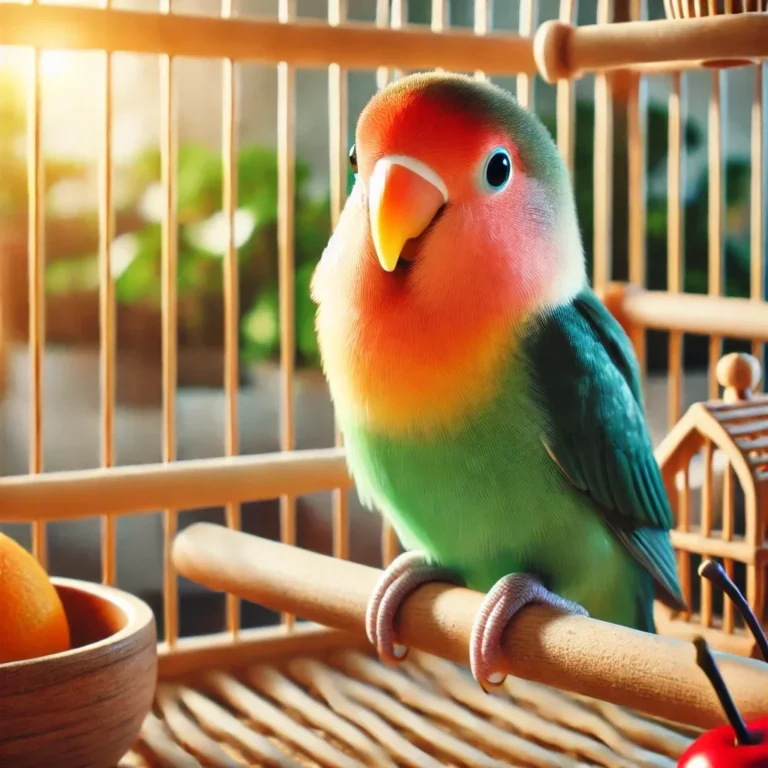
- Peach-faced Lovebird (Agapornis roseicollis) – Small yet charismatic, lovebirds display a soft peach face contrasting with bright green and blue body feathers. They form deep pair bonds and are ideal for owners who can provide companionship and gentle handling.
- Rainbow Lorikeet (Trichoglossus moluccanus) – True to its name, this lorikeet showcases a kaleidoscope of colors—blue head, orange face, yellow chest, and green wings. Their brush‑tongue diet of nectar and fruit makes them unique among parrots. Detailed nutritional guidelines appear on National Feathered Enterprises (an industry association).
- Diamond Dove (Geopelia cuneata) – Though modest in size, the diamond dove’s soft gray plumage and iridescent wing patches give it an elegant appearance. Known for its gentle coo and low maintenance, it is a favorite among urban bird keepers.
Essential Care for Pet Birds
Providing optimal care is the cornerstone of a thriving avian companion. Below are critical components that apply across all colorful companion birds:
- Nutrition: Offer a varied diet of high‑quality pellets, fresh fruits, vegetables, and appropriate seeds or nuts. Species like macaws need calcium‑rich nuts, while lorikeets require nectar substitutes.
- Environmental Enrichment: Birds are intelligent and need mental stimulation. Rotate toys, provide foraging puzzles, and allow safe out‑of‑cage time daily.
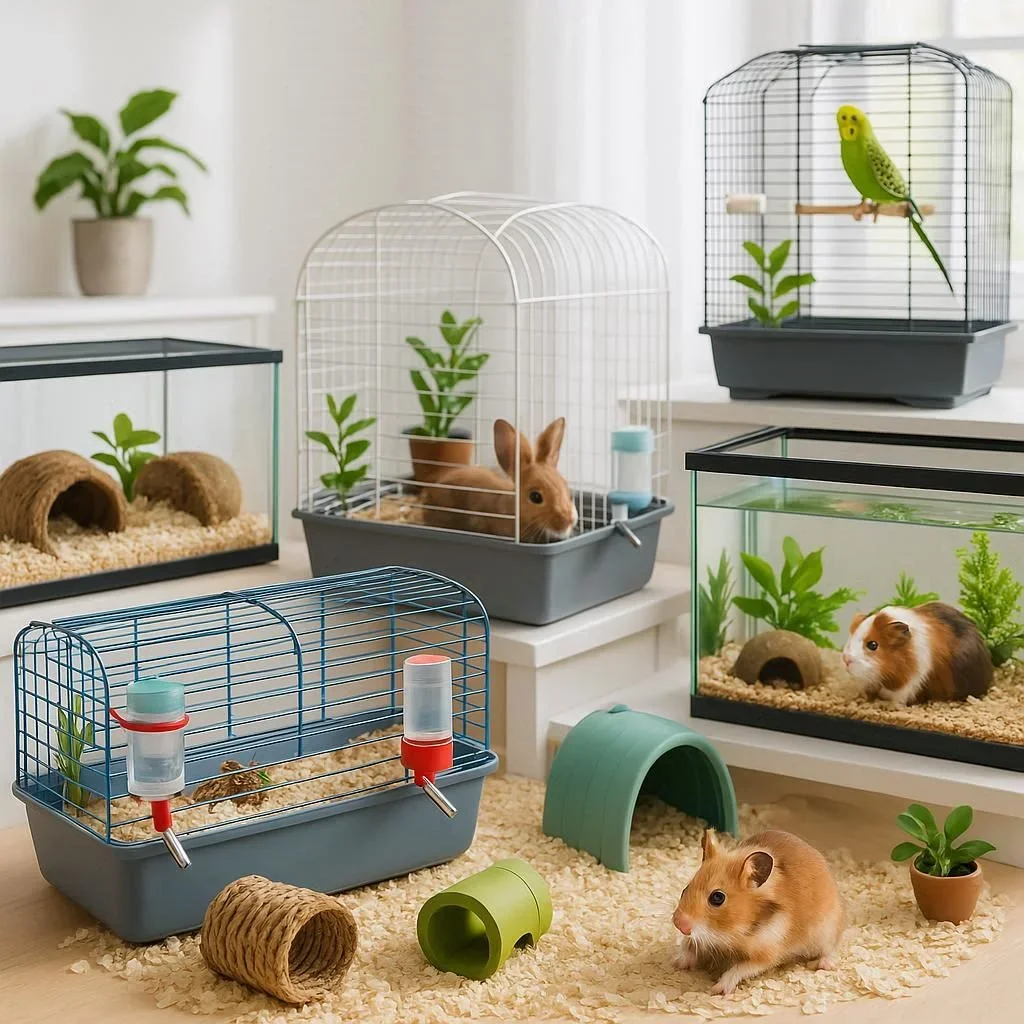
- Housing: Choose a cage that allows full wing extension and includes perches of varying diameters. For larger species, an indoor aviary is preferable.
- Health Monitoring: Schedule regular check‑ups with an avian veterinarian, watch for changes in droppings, feather condition, or appetite.
- Social Interaction: Most beautiful pet bird species thrive on interaction. Spend at least an hour each day talking, hand‑taming, or playing.
What to Look for When Selecting a Species
Not every bird fits every household. Consider the following factors before committing to a particular species from the Most Beautiful Pet Bird Species list:
- Space Availability: Larger parrots like the hyacinth macaw need expansive enclosures; smaller birds like lovebirds are more apartment‑friendly.
- Lifespan: Some species can live 30‑50 years, requiring a long‑term commitment.
- Noises: Species such as Sun conures are vocal; if you live in an apartment, a quieter bird like the diamond dove may be preferable.
- Legal Restrictions: Many exotic birds are regulated under the CITES Appendices. Ensure you are compliant with local wildlife laws before purchase.
- Ethical Sourcing: Choose breeders who provide health guarantees and can trace the bird’s origin. Avoid wild‑caught birds to protect natural populations.
Legal and Ethical Considerations
Responsible ownership extends beyond daily care. The Most Beautiful Pet Bird Species are often subject to international trade regulations aimed at preserving wild populations. In the United States, the U.S. Fish and Wildlife Service enforces permits for certain species, while the BirdLife International monitors global conservation status. When selecting a bird, verify that the seller holds the appropriate permits and that the bird is not listed as threatened or endangered. Supporting reputable breeders and rescue organizations not only ensures a healthy pet but also contributes to conservation efforts.
Conclusion
Whether you are drawn to the regal azure of the hyacinth macaw, the vibrant kaleidoscope of the rainbow lorikeet, or the gentle coo of the diamond dove, the Most Beautiful Pet Bird Species offer unmatched beauty and companionship when cared for responsibly. By researching each species’ needs, providing proper nutrition and enrichment, and adhering to legal and ethical standards, you can enjoy a lifelong, rewarding relationship with your feathered friend.
Ready to enrich your home with a stunning avian companion? Explore our comprehensive species guide, start your responsible bird‑ownership journey today, and let the beauty of these birds brighten your life!
Frequently Asked Questions
Q1. Which beautiful pet bird species are best for beginners?
Beginners often thrive with Indian Ringneck Parakeets, Peach-faced Lovebirds, and Diamond Doves. These birds are smaller, adaptable to indoor environments, and require less extensive space than larger parrots. They are also relatively easy to socialize and train with consistent daily interaction.
Q2. How much space does a Hyacinth Macaw need?
A Hyacinth Macaw needs a very large enclosure—ideally an indoor aviary that allows full wing extension and soaring. The aviary should be at least 12 feet long, 6 feet wide, and 8 feet high, with sturdy perches and climbing opportunities. Outside the aviary, daily supervised flight time in a safe room is essential for its physical and mental health.
Q3. What is the typical lifespan of these birds?
Many of the most beautiful pet bird species are long‑lived. Hyacinth Macaws can live 50‑60 years, Eclectus Parrots often reach 30‑40 years, and Indian Ringneck Parakeets may live 25‑30 years. Smaller species like Peach‑faced Lovebirds and Diamond Doves usually live 10‑15 years with proper care.
Q4. Are these birds noisy and suitable for apartments?
Noise levels vary by species. Sun Conures, Indian Ringnecks, and Macaws are very vocal and may be disruptive in close‑quarter living. Diamond Doves and some lovebirds are quieter, making them more apartment‑friendly. Using sound‑absorbing cages and providing regular enrichment can help manage vocalizations.
Q5. How can I ensure I’m buying an ethically sourced bird?
Choose breeders who provide documentation of CITES permits and health certificates, and who can trace the bird’s origin to a captive‑bred line. Avoid wild‑caught birds and ask to see the breeding facility. Reputable rescue organizations are also an ethical alternative, offering birds that need permanent homes.