Understanding Intelligent Pet Birds
When you think of intelligent pet birds, images of chatty African Grey parrots solving puzzles or macaws mimicking human speech often come to mind. Yet the world of avian cognition is far richer and more nuanced than a single anecdote. Modern research shows that many bird species possess remarkable problem‑solving abilities, social awareness, and even a sense of future planning. In this article we will explore what defines bird intelligence, highlight the species that consistently rank among the smartest, provide practical tips for nurturing cognition in your feathered companion, and dispel common myths that can limit their potential. Whether you are a seasoned aviculturist or a curious first‑time owner, understanding the science behind intelligent pet birds will help you create a more enriching and rewarding relationship.
What Makes a Bird Intelligent?
Intelligence in birds is measured through a combination of behavioral experiments, neurological studies, and field observations. Scientists often look for traits such as flexible problem solving, tool use, vocal learning, and social complexity. The avian brain, despite its small size, contains a highly developed pallium, the region analogous to the mammalian cerebral cortex, which supports advanced cognition. For example, New Caledonian crows can fashion hooks from twigs to retrieve insects, a behavior previously thought exclusive to primates (see Science article on crow tool use).
Top Species Known for High Intelligence
- African Grey Parrot (Psittacus erithacus) – Renowned for a vocabulary that can exceed 1,000 words and the ability to understand concepts like shape, colour, and number.
- Keel‑Backed (Blue‑fronted) Amazon (Amazona auropalliata) – Demonstrates impressive problem‑solving skills in captive tests, often solving multi‑step puzzles faster than many mammals.
- Eclectus Parrot (Eclectus roratus) – Shows strong social intelligence, adapting its vocal repertoire to match human listeners and other birds.
- Budgerigar (Melopsittacus undulatus) – Small but capable of discrimination tasks, counting, and even basic arithmetic when trained.
- New Caledonian Crow (Corvus moneduloides) – Though not a typical pet, its tool‑making prowess illustrates the broader spectrum of avian intelligence.
These species have been studied extensively by institutions such as the Cornell Lab of Ornithology and feature prominently in peer‑reviewed literature on bird cognition. Their cognitive abilities are not just tricks; they reflect deep neural processing comparable to that of many mammals.
How to Nurture Intelligence in Your Pet Bird
Providing an environment that stimulates mental activity is essential for keeping an intelligent pet bird happy and healthy. Below are evidence‑based strategies that enhance learning, problem solving, and emotional well‑being.
1. Offer Enriching Toys and Puzzles
Rotate a variety of toys weekly to prevent habituation. Puzzle feeders that require a bird to pull, twist, or slide compartments to access food mimic natural foraging challenges. Studies published by the University of California, Davis demonstrate that birds exposed to novel toys show reduced stress markers and increased exploratory behaviour.
2. Teach Structured Training Sessions
Positive‑reinforcement training not only builds trust but also sharpens memory and attention. Target training, step‑by‑step shaping of behaviours, and clicker training have been adapted successfully for parrots, cockatiels, and budgies. A short, daily 10‑minute session is sufficient; consistency beats duration.
3. Encourage Social Interaction
Many intelligent birds are highly social and thrive on interaction with their human caregivers or conspecifics. If you own a single bird, allocate dedicated “talk time” each day, and consider safe, supervised visits with another compatible pet bird. Social learning—observing another bird solve a task—can accelerate skill acquisition, as demonstrated in experiments with Amazon parrots.
4. Provide Naturalistic Foraging Opportunities
Scatter fresh vegetables, fruit, and hide treats inside shredded paper or bark. This replicates the unpredictable nature of food sources in the wild and stimulates problem‑solving circuits. The National Geographic notes that foraging enrichment reduces stereotypic feather‑plucking in captive parrots.
5. Maintain a Balanced, Species‑Specific Diet
Nutrition plays a direct role in cognitive function. A diet rich in antioxidants, omega‑3 fatty acids, and diverse fruits and vegetables supports neural health. Consult an avian veterinarian to tailor a regimen that meets the specific needs of your species.
Common Myths About Intelligent Pet Birds
Despite growing scientific awareness, several misconceptions persist. Addressing them helps owners set realistic expectations and provide better care.
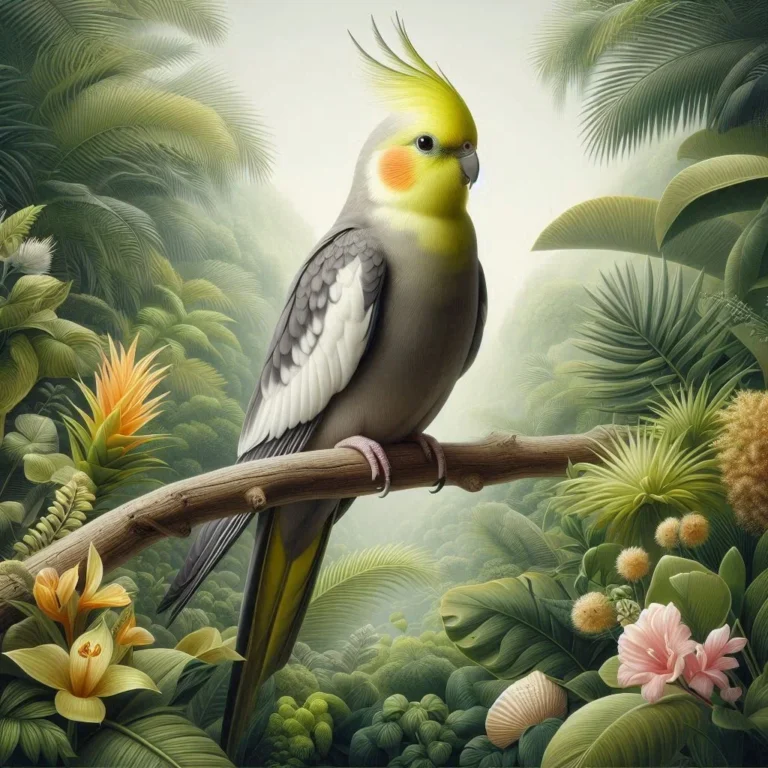
- Myth: “All parrots are equally intelligent.” Reality: Intelligence varies widely across species and even individual birds. While African Greys excel at vocal mimicry, cockatiels may be stronger at spatial tasks.
- Myth: “Intelligent birds don’t need social interaction because they can entertain themselves.” Reality: Social deprivation often leads to behavioral issues such as screaming, aggression, or feather‑destruction.
- Myth: “A bird’s intelligence is only useful for tricks.” Reality: Cognitive enrichment improves overall welfare, reduces stress, and can even enhance longevity.
- Myth: “If a bird can’t learn a task quickly, it’s not smart.” Reality: Learning speed depends on motivation, previous experiences, and training methods. Patience and appropriate reinforcement are key.
Understanding these nuances prevents owners from mislabeling or undervaluing their pet’s capabilities. It also encourages more humane, scientifically informed practices.
Conclusion: Elevate Your Bird’s Life with Smart Care
Intelligent pet birds reveal that complex cognition is not exclusive to mammals. By recognizing the hallmarks of avian intelligence, selecting species known for high mental capacity, and implementing enrichment‑rich routines, you can unlock a world of wonder that benefits both bird and keeper. Remember, a stimulated mind leads to a healthier body, reduced problem behaviours, and deeper bonds that last a lifetime.
Ready to give your feathered companion the mental challenge it deserves? Explore our selection of science‑backed enrichment toys, sign up for a free training webinar, and join a community of bird lovers dedicated to evidence‑based care. Your journey to a smarter, happier pet bird starts today!
Frequently Asked Questions
Q1. How can I tell if my bird is truly intelligent?
Intelligent birds display problem‑solving abilities, such as manipulating toys or solving puzzles, and they can learn a large vocabulary. They also show social awareness, recognizing individual humans and responding to cues. Consistent learning progress over time is a strong indicator of cognition.
Q2. What are the best enrichment toys for intelligent pet birds?
Puzzle feeders, foraging boxes, and shape‑sorting toys engage a bird’s natural curiosity. Toys that require twisting, pulling, or sliding to access food mimic wild foraging challenges. Rotate toys weekly to keep the bird’s interest and prevent boredom.
Q3. How often should I train my intelligent bird?
Short, daily sessions of 5‑10 minutes are ideal; consistency beats length. Use positive‑reinforcement methods like clicker or treat rewards. Keep training fun and varied to maintain motivation.
Q4. Do intelligent birds need a companion bird?
Many smart species are highly social and benefit from interaction with another bird or regular human engagement. If you keep a single bird, dedicate ample “talk time” and consider supervised visits with a compatible species. Social deprivation can lead to stress‑related behaviors.
Q5. Can diet affect my bird’s cognitive abilities?
A balanced diet rich in antioxidants, omega‑3 fatty acids, fresh fruits, and vegetables supports brain health. Avoid excessive seed‑only diets, which lack essential nutrients. Consulting an avian veterinarian helps tailor nutrition to the species’ needs.