Lazy Cat Breeds Guide
When you picture the ideal lap companion, you probably imagine a cat that prefers gentle naps to endless zoomies. Lazy cat breeds are precisely those low‑energy felines who thrive on relaxed routines, making them perfect for busy professionals, seniors, or anyone craving a calm, affectionate pet. In this guide we’ll explore what defines a lazy cat, spotlight the most laid‑back breeds, and share practical tips for keeping your easygoing feline friend happy and healthy.
What Makes a Cat “Lazy”?
Cat behavior exists on a spectrum, from hyperactive hunters to serene couch potatoes. A “lazy” cat typically displays a few consistent traits: a preference for short, occasional bursts of play followed by long periods of rest, low vocalization, and a calm demeanor around strangers. These traits are often rooted in genetics, but environment and health also play pivotal roles. Studies on feline temperament show that breed‑specific tendencies can account for up to 30% of a cat’s activity level (National Center for Biotechnology Information).
Top Lazy Cat Breeds
Below is a curated list of the most relaxed cat breeds, each celebrated for its easygoing nature and affectionate temperament. While individual personalities vary, these breeds consistently rank high in surveys of low‑energy cats.
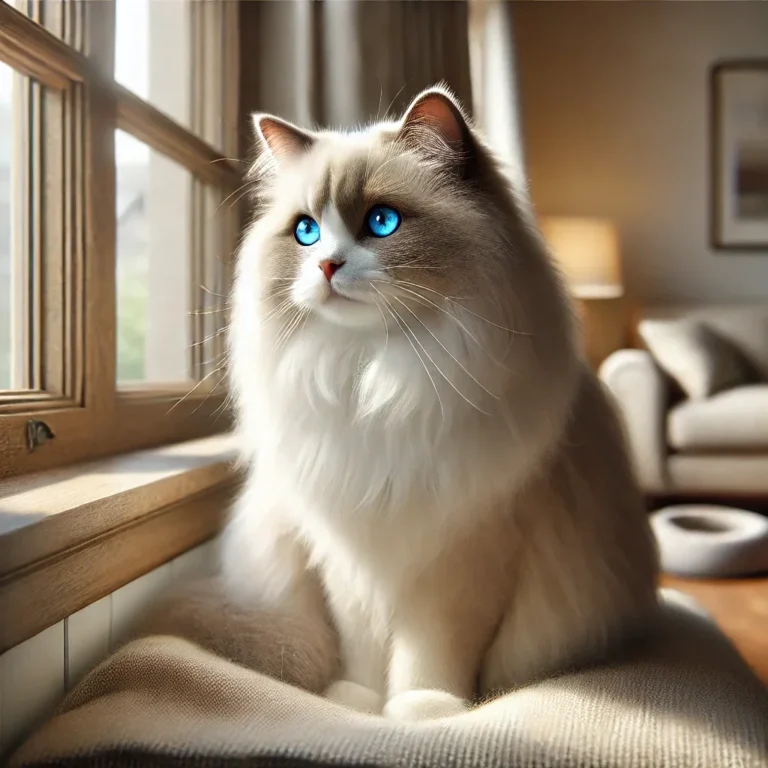
- Ragdoll – Known for its floppy, relaxed posture when picked up, the Ragdoll often follows owners from room to room and loves to lounge on sunny windowsills. Learn more.
- British Shorthair – This sturdy, round‑eyed breed enjoys a dignified pace, preferring a soft cushion to a chase after a feather toy.
- Scottish Fold – Recognizable by its folded ears, the Scottish Fold is a quiet, affectionate companion who thrives on routine.
- Persian – With its luxurious coat and placid disposition, the Persian is the epitome of a laid‑back cat.
- Exotic Shorthair – Often called the “miniature Persian,” this breed offers the same calm temperament without the extensive grooming needs.
Each of these breeds excels at providing a serene presence, making them ideal for households that value tranquility over endless entertainment.
Living with a Low‑Energy Cat
Integrating a lazy cat into your home doesn’t require a drastically different approach than caring for any other feline, but a few adjustments can enhance the experience for both pet and owner. First, respect your cat’s need for routine. Cats are creatures of habit; sudden changes in feeding times or environment can cause stress, especially for relaxed breeds. Second, create multiple cozy resting spots—soft blankets, heated pads, or a quiet corner on a favorite chair—so your cat can choose where to unwind.
Because low‑energy cats are less likely to engage in vigorous play, they often appreciate short, interactive sessions that stimulate their minds without exhausting them. Simple puzzle feeders, feather wands, or a dangling string for a few minutes a day can satisfy their hunting instincts while preserving their calm demeanor.
Health and Lifestyle Tips for Easygoing Feline Companions
Even the most sedentary cat requires routine veterinary care and a balanced diet to prevent obesity, joint issues, and urinary problems. Here are essential health‑focused recommendations for owners of lazy cat breeds:
- Portion Control – Measure food servings according to the cat’s ideal body weight, not just the amount left in the bowl.
- Weight‑Monitoring – Weigh your cat monthly; a gradual increase of even a few ounces can signal over‑feeding.
- Regular Vet Visits – Annual check‑ups with a veterinarian familiar with breed‑specific concerns (e.g., Persian kidney disease) are crucial. The ASPCA provides guidelines for routine feline health exams.
- Joint Support – Supplements containing glucosamine and omega‑3 fatty acids can help maintain mobility, especially for larger, heavier breeds like the Ragdoll.
- Hydration – Encourage water intake with a fountain or multiple bowls; adequate hydration reduces the risk of urinary crystals common in Persian and Exotic Shorthair cats.
In addition to physical health, mental wellbeing matters. Lazy cats may become bored if left alone for long stretches. Even a short window of observation—watching birds outside, a gentle grooming session, or a calm lap cuddle—reinforces the bond and keeps stress hormones low.
Choosing the Right Lazy Cat Breed for Your Lifestyle
When deciding which relaxed breed fits your household, consider factors such as grooming requirements, size, and potential health issues. Persians demand daily brushing to prevent matting, whereas British Shorthairs have low‑maintenance coats. If you have allergies, the hypoallergenic qualities of the Exotic Shorthair (shorter coat) may be advantageous. Finally, assess the space you have: larger cats benefit from ample room to stretch, while a compact apartment can comfortably house a Scottish Fold.
Regardless of the breed you choose, the core principle remains the same: provide a predictable, loving environment, and your lazy cat will reward you with endless purrs and gentle companionship.
Conclusion: Choose the Right Lazy Cat Breed Today
Relaxed, affectionate, and low‑maintenance, lazy cat breeds make exceptional companions for anyone seeking calm rather than chaos. By understanding the traits that define a laid‑back cat, selecting a breed that aligns with your lifestyle, and following essential health and wellness guidelines, you’ll foster a bond that lasts a lifetime. Ready to welcome a low‑energy feline friend into your home?