Cute Small Pets for Kids
Choosing a cute small pet for kids can be a rewarding step toward teaching responsibility, empathy, and basic biology. With the right animal, children learn how to care for a living being while parents enjoy a low‑maintenance companion that fits comfortably in an apartment or a house with limited space. In this guide we examine the benefits of small pets, present the top five options, and provide practical tips for safe, happy pet ownership. All recommendations are based on veterinary advice and reputable animal‑care organizations.
Why Choose Cute Small Pets for Kids?
Small pets are ideal for families because they require less space and usually have shorter lifespans, allowing children to experience both the joys and the responsibilities of pet care without a lifelong commitment. According to the American Society for the Prevention of Cruelty to Animals (ASPCA), many small animals such as hamsters, gerbils, and guinea pigs are “low‑maintenance” when provided with proper housing and diet. They also tend to be quieter than larger pets, which eases concerns for neighbors in multi‑unit dwellings. Furthermore, interacting with a pet can improve a child’s emotional development, boost self‑esteem, and provide educational benefits related to biology and daily routines.
Top 5 Cute Small Pets for Kids
The following list highlights five species that consistently score high on safety, ease of care, and child‑friendly temperament. Each entry includes a brief overview, lifespan, and special care notes.
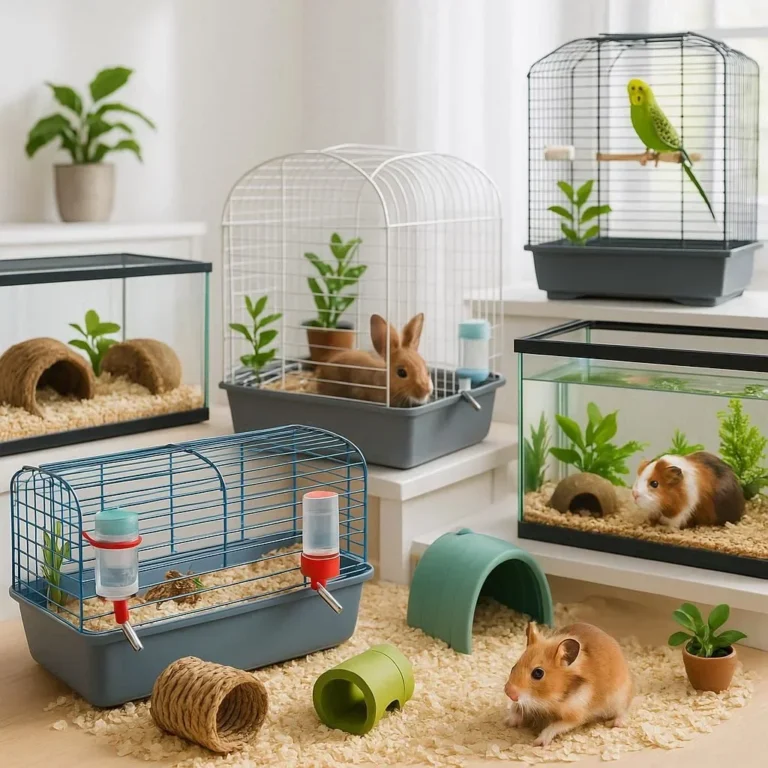
- Guinea Pig (Cavia porcellus) – Known for their gentle nature and vocal squeaks, guinea pigs thrive in pairs and love to be handled. They live 4‑6 years and require a diet rich in vitamin C to prevent scurvy. For a reliable source, see the Wikipedia article on guinea pigs.
- Domestic Rabbit (Oryctolagus cuniculus) – Rabbits are social, intelligent, and can be litter‑trained. They need a large enclosure, daily exercise, and a hay‑based diet. The CDC’s pet health page discusses disease prevention for rabbit owners.
- Hamster (Phodopus spp.) – Hamsters are solitary, nocturnal rodents that are easy to house in a compact cage. They have a short lifespan of 2‑3 years, making them a good introductory pet. Proper wheel size and chew toys prevent dental issues.
- Betta Fish (Betta splendens) – A single betta can live in a small, filtered tank with regular water changes. Their vibrant colors and interactive “flaring” behavior captivate children. Betta fish require warm water (around 78°F) and a protein‑rich diet.
- Leopard Gecko (Eublepharis macularius) – These small lizards are low‑maintenance reptiles that tolerate handling well. They need a terrarium with a heat gradient and a diet of live insects. Their docile temperament makes them a popular choice for young learners.
How to Care for Cute Small Pets for Kids
Providing appropriate care is essential for the health of any small pet. Below are core responsibilities that parents and children should share.
- Habitat Setup – Choose a cage or tank sized for the species. For rodents, a minimum of 30 × 18 × 12 inches is recommended; for rabbits, a spacious pen with a separate sleeping area is ideal.
- Nutrition – Follow species‑specific dietary guidelines. Guinea pigs need fresh vegetables and vitamin‑C fortified pellets; rabbits require unlimited hay and fresh greens; bettas need protein‑rich flakes or pellets.
- Daily Interaction – Encourage gentle handling for 10‑15 minutes each day. This builds trust and reduces stress, as highlighted by the National Geographic guide on guinea pigs.
- Health Monitoring – Look for signs of illness such as wheezing, limpness, or changes in appetite. Schedule regular veterinary check‑ups, especially for species prone to dental or respiratory issues.
- Cleanliness – Perform weekly cage cleanings and replace bedding to prevent odor and parasites. For fish, conduct partial water changes (25 %) twice a week.
Safety and Supervision Tips for Parents
Even the most docile cute small pet for kids can pose risks if not properly supervised. Below are key safety guidelines.
- Hand Hygiene – Children should wash hands before and after handling any pet to prevent the spread of zoonotic diseases.
- Age‑Appropriate Tasks – Assign simple chores (refilling water bowls, checking cage temperature) to younger children while reserving more complex tasks (medication, grooming) for adults.
- Allergy Awareness – Conduct a brief allergy test by allowing the child to spend time near the animal before adoption. The CDC notes that pet allergies affect up to 30 % of children.
- Secure Enclosures – Ensure cages have lockable doors and are placed out of reach from toddlers to prevent accidental escapes.
By establishing clear rules and consistent routines, families create a safe environment where both children and pets thrive.
Conclusion: Start Your Journey with a Cute Small Pet for Kids Today
Introducing a cute small pet for kids into your home is more than a fun activity—it’s a lifelong lesson in compassion, responsibility, and science. Whether you select a sociable guinea pig, a vibrant betta fish, or a curious leopard gecko, the right pet can enrich your child’s development and bring endless moments of joy.
Take the first step now: Research the species that best fits your family’s lifestyle, visit a reputable breeder or shelter, and set up a safe habitat. Your child’s new companion is waiting, and the benefits will ripple through years of growth and learning.