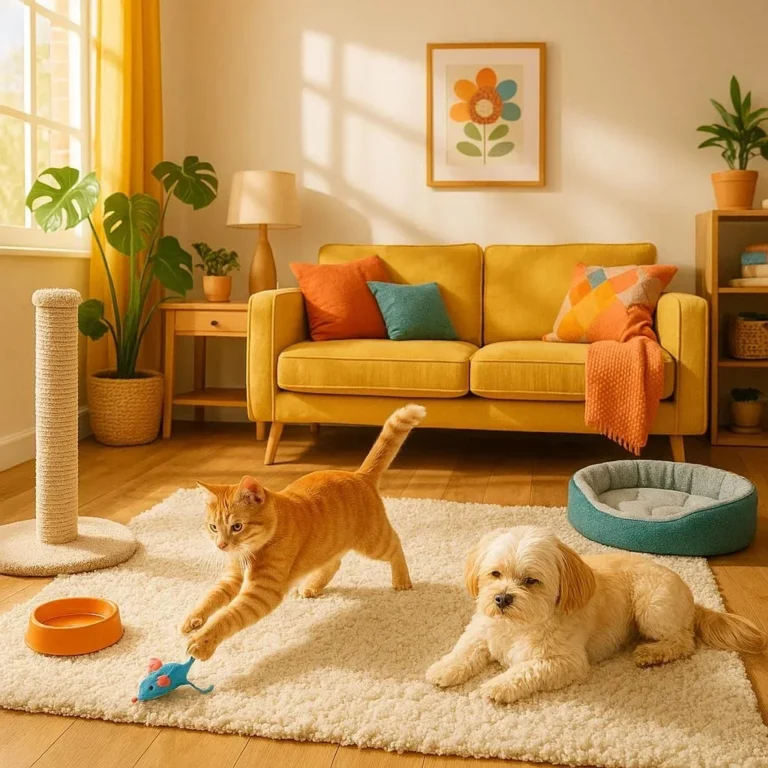
Best Small Apartment Dog Breeds
Living in a compact city loft or a cozy studio can feel limiting when you dream of adding a canine companion. The good news is that many small dog breeds thrive in close quarters, offering big personality without needing a sprawling backyard. This guide to small apartment dog breeds highlights the top picks, essential lifestyle considerations, and practical tips for keeping your four‑legged friend happy, healthy, and well‑behaved in limited space.
Top Small Apartment Dog Breeds
When evaluating small apartment dog breeds, size, energy level, and noise tolerance are the most critical factors. Below are five breeds consistently praised for their adaptability to urban living:
- French Bulldog – Weighing 16–28 lb, this low‑energy breed loves short walks and cuddle sessions. Their brachycephalic face requires careful temperature monitoring, but they are generally quiet and affectionate.
- Cavalier King Charles Spaniel – At 13–18 lb, Cavaliers are gentle and sociable, making them perfect for owners who spend time at home. They do need regular grooming to keep their silky coat in shape.
- Boston Terrier – Known as the “American Gentleman,” this 10–25 lb breed is playful yet modest in exercise needs. Their short coat is low‑shedding, a plus for allergy‑sensitive apartments.
- Yorkshire Terrier – Tiny but spirited, Yorkies (4–7 lb) excel in small spaces thanks to their light exercise requirements. Their long, fine hair needs daily brushing.
- Pug – With a weight of 14–18 lb, Pugs adapt well to indoor life. They are friendly, but owners must watch for breathing issues linked to their flat faces.
For deeper breed histories, consult reputable sources such as Wikipedia: French Bulldog or the American Kennel Club breed directory.
Factors to Consider Before Choosing
Even the most apartment‑friendly breed may be a mismatch if you overlook key lifestyle elements. Ask yourself the following:
- What is my typical daily schedule? Dogs that require multiple long walks, like Jack Russell Terriers, may struggle in tightly scheduled lives.
- Do I have sensitive neighbors? Low‑bark breeds such as the French Bulldog reduce the risk of complaints.
- How much grooming can I commit to? Low‑shedding small breeds like the Boston Terrier simplify cleaning routines.
- Am I prepared for potential health concerns? Brachycephalic breeds (e.g., Pug, French Bulldog) often need regular vet checks, highlighted by the CDC’s pet health page.
Understanding these variables helps you align a dog’s temperament with the constraints of urban living, ensuring a harmonious relationship.
Training Tips for Small Dogs in Compact Spaces
Effective training mitigates many challenges of apartment life. Here are proven strategies tailored for apartment‑friendly dogs:
- Crate training provides a den‑like sanctuary where the dog can retreat, reducing anxiety when you are away.
- Leash walks should be frequent but brief—5‑10 minutes three times a day—to meet exercise needs without exhausting the dog.
- Mental enrichment using puzzle toys or scent games keeps a small breed occupied, preventing destructive behavior.
- Positive reinforcement builds trust; reward quiet behavior with treats, especially when neighbors are nearby.
For a detailed guide on positive reinforcement, see the Association for Behavior Analysis International resources.
Health and Wellness for Apartment Dogs
Maintaining physical health in limited space requires creativity. Incorporate the following routine elements:
- Daily indoor play sessions—fetch in a hallway, gentle tug, or short agility jumps—help expend energy.
- Weekly outdoor walks in nearby parks provide socialization and scent exploration.
- Regular veterinary care is essential; a yearly check‑up can catch breed‑specific issues early, such as hip dysplasia in larger small breeds.
- Nutrition tailored to size ensures that a 10‑lb dog receives appropriate calories without excess weight gain.
City dwellers can also benefit from community dog‑run facilities, often listed on municipal parks departments like NYC Parks Dog Runs.
Conclusion
Choosing the right small apartment dog breed hinges on matching a dog’s size, temperament, and care needs with your living environment. By assessing lifestyle factors, committing to consistent training, and prioritizing health, you can enjoy the companionship of a lively, affectionate dog without compromising apartment harmony.
Ready to bring a perfect small apartment dog breed into your home? Explore reputable rescues or breeders today and experience the joy of urban pet ownership.
Frequently Asked Questions
Q1. Which small dog breeds are best for apartment living?
Breeds like French Bulldogs, Boston Terriers, Cavalier King Charles Spaniels, Yorkshire Terriers, and Pugs are praised for their low exercise needs, quiet temperaments, and compact size.
Q2. How much daily exercise does a small apartment dog need?
Most small breeds thrive on 15‑30 minutes of brisk walks plus short indoor play sessions. Multiple brief walks prevent boredom without overwhelming limited space.
Q3. Will a small dog bark loudly and disturb neighbors?
While any dog can bark, low‑bark breeds such as French Bulldogs and Boston Terriers tend to be quieter. Proper training and socialization further reduce noise.
Q4. Are there special health concerns for brachycephalic breeds in apartments?
Yes, flat‑faced dogs like Pugs and French Bulldogs can overheat and have breathing issues, so keep them cool, avoid excessive heat, and schedule regular vet checks.
Q5. Is crate training necessary for a small dog in an apartment?
Crate training provides a safe den‑like space, helps with house‑breaking, and eases separation anxiety, making it a valuable tool for apartment owners.