Best Cats for Apartment Living
Finding the best cats for apartment living can feel like a puzzle, especially when you love feline companions but have limited square footage. Urban dwellers often wonder which breeds will thrive in a compact environment, stay quiet, and adapt to a routine that may lack a sprawling backyard. The good news is that several cat breeds are naturally low‑maintenance, enjoy indoor life, and even flourish in small spaces. By focusing on temperament, activity level, and grooming needs, you can choose a cat that feels like a perfect match for a modest living area while still receiving the affection and enrichment every cat deserves.
Best Cats for Apartment Living – What Makes a Cat Apartment‑Friendly?
When evaluating whether a cat is suitable for an apartment, several factors come into play. First, noise tolerance is crucial; breeds that are naturally quiet will minimize neighbor complaints. Second, activity level matters: a cat that can entertain itself with toys and short bursts of play is less likely to become destructive. Third, grooming requirements affect how much time you’ll spend caring for the cat, which is especially relevant in tight schedules typical of city life. Finally, temperament—whether the cat is sociable, adaptable, and comfortable with indoor-only living—defines its overall compatibility with confined spaces. The American Society for the Prevention of Cruelty to Animals (ASPCA) notes that indoor cats generally live longer, healthier lives, making the decision to keep a cat indoors both a practical and humane choice. Indoor Cat Care
Best Cats for Apartment Living – Top Breeds for Small Spaces
Below is a curated list of breeds that consistently rank as low‑stress, low‑maintenance companions for apartment residents. Each entry highlights temperament, grooming needs, and why the breed thrives in a limited‑area home.
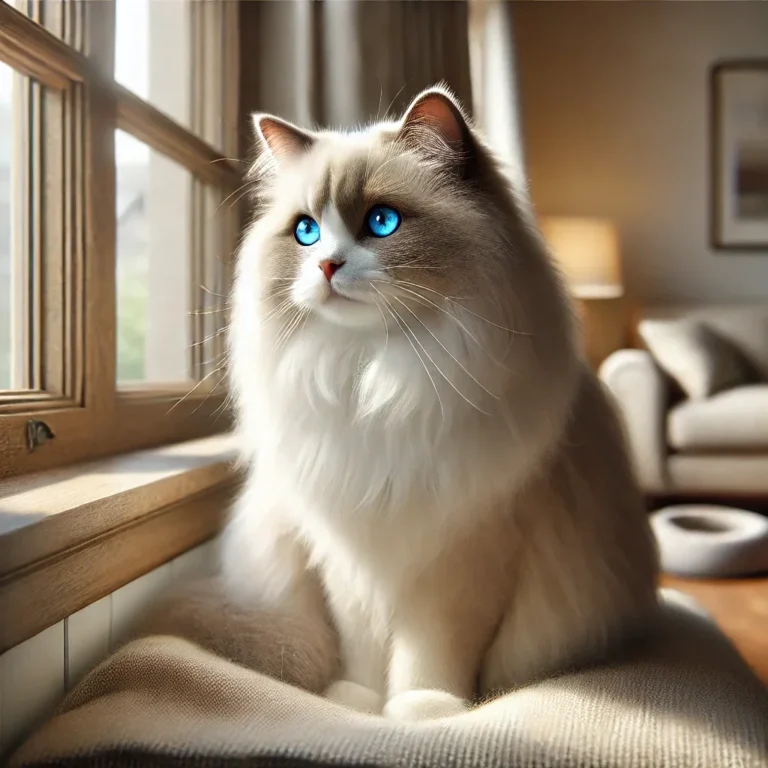
- Ragdoll – Known for their docile, “floppy” demeanor, Ragdolls love to be cradled and tend to follow their owners from room to room. Their medium‑long coat requires regular brushing but not daily grooming. Ragdoll
- British Shorthair – With a dense, plush coat that sheds minimally, this breed is content to lounge in sunny spots. Their calm, independent nature makes them ideal for owners who appreciate a low‑key companion. British Shorthair
- Russian Blue – This sleek, quiet cat forms strong bonds with a single person, reducing the likelihood of vocal complaints. Their short, dense fur is easy to maintain, and they enjoy gentle play sessions. Russian Blue
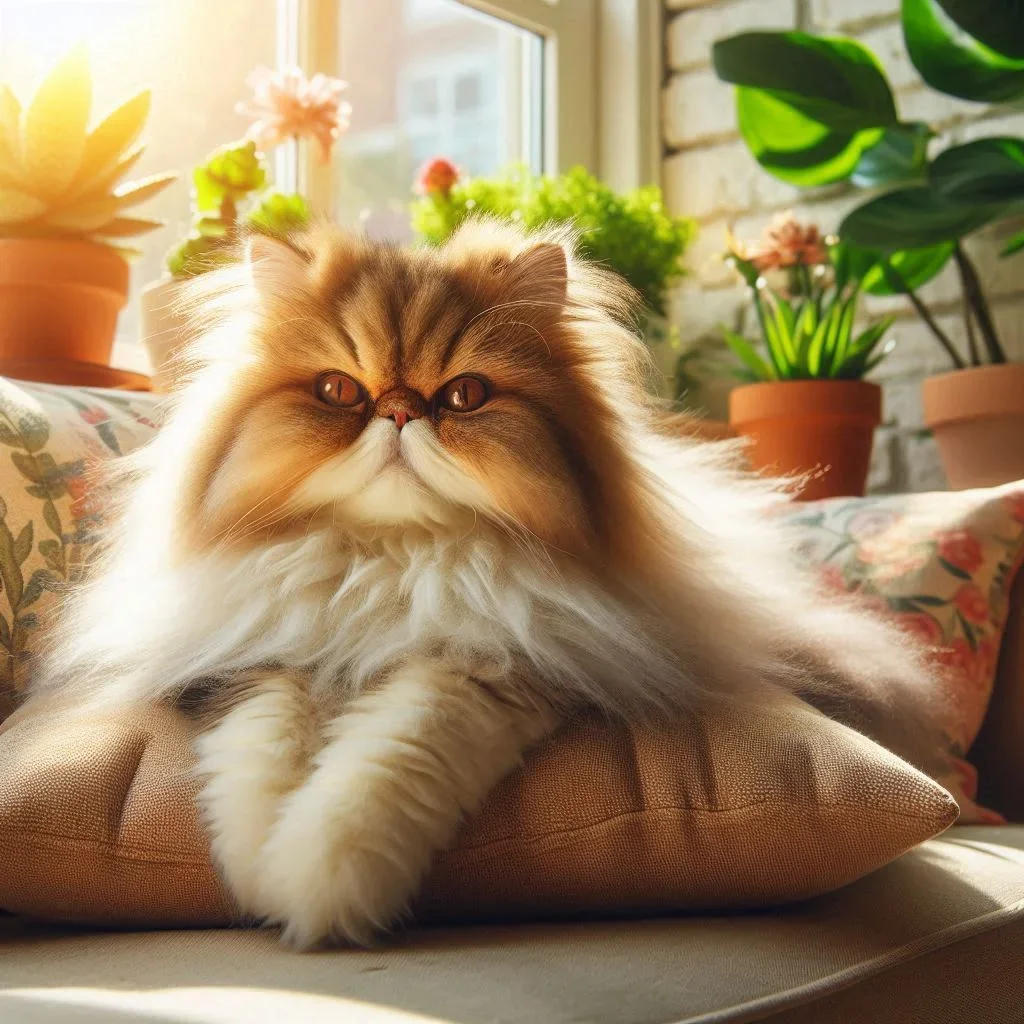
- Exotic Shorthair – Often called the “lazy” version of the Persian, the Exotic has a short coat that needs only occasional brushing. They are affectionate, enjoy being lap‑cats, and are perfectly content with a modest amount of indoor stimulation.
- Scottish Fold – Recognizable by their folded ears, Scottish Folds are playful yet not overly demanding. Their medium‑length coat requires regular grooming, but their love for gentle interaction makes them great apartment companions.
Best Cats for Apartment Living – Tips for Apartment Owners
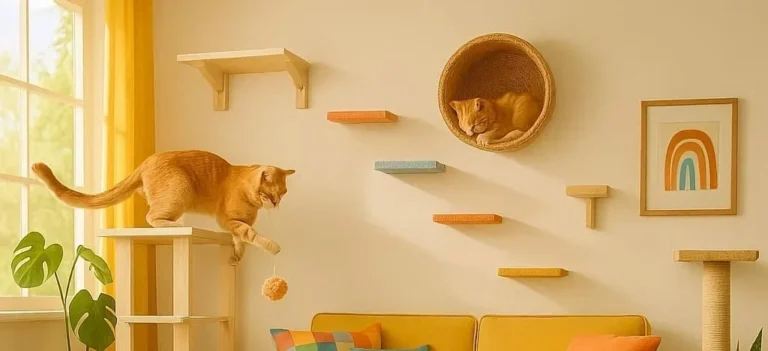
Even the most apartment‑friendly breed benefits from a thoughtfully prepared environment. Start by providing vertical space such as cat trees or shelving; cats love to perch, and this satisfies their natural climbing instincts without needing a lot of floor space. Interactive toys, puzzle feeders, and scheduled playtimes keep them mentally stimulated, reducing the risk of boredom‑related behaviors like over‑grooming or scratching furniture. Install a sturdy scratching post near a favorite resting spot to protect your décor. Finally, keep a clean litter box in a discreet location; the CDC advises regular cleaning to prevent odor buildup and maintain a healthy environment. Healthy Pets
Best Cats for Apartment Living – Health and Behavioral Considerations
Regular veterinary check‑ups are essential for every cat, but indoor cats often have specific health concerns such as obesity, dental disease, and limited exposure to sunlight. Partnering with a reputable veterinary institution—like Cornell Veterinary College—ensures you receive evidence‑based guidance on diet, preventive care, and behavior management. Monitor your cat’s weight, provide a balanced diet, and encourage movement with feather wands or laser pointers. If you notice excessive vocalization or aggression, consider environmental enrichment or consult a feline behaviorist, as stress can quickly amplify in confined settings.
Choosing the right feline companion is the first step toward a harmonious apartment lifestyle. By selecting one of the highlighted breeds, implementing smart space‑saving strategies, and staying proactive about health, you’ll enjoy countless moments of purr‑filled joy. Ready to bring home the perfect apartment partner? Browse reputable shelters or reputable breeders today, and give a small‑space cat the forever home it deserves.
Frequently Asked Questions
Q1. What cat breeds are best for small apartments?
Breeds such as the Ragdoll, British Shorthair, Russian Blue, Exotic Shorthair, and Scottish Fold are known for their calm temperaments, low activity levels, and minimal vocalization. Their grooming needs are modest, making them ideal for limited space. These cats thrive on indoor enrichment rather than needing large outdoor areas.
Q2. How much space does an apartment cat need?
Even a small apartment can be cat‑friendly with vertical space like cat trees, shelves, and window perches. Cats enjoy climbing and observing their surroundings, so a few sturdy structures provide ample territory without taking up floor space.
Q3. Will an indoor cat get enough exercise?
Yes, regular interactive play sessions with toys, laser pointers, or feather wands stimulate a cat’s natural hunting instincts. Puzzle feeders and scheduled playtimes also help maintain a healthy weight and prevent boredom.
Q4. How often should I groom an apartment‑friendly cat?
Grooming frequency depends on the coat type. Short‑haired breeds need weekly brushing, while medium‑length coats benefit from brushing two to three times a week to reduce shedding and hairballs.
Q5. What health issues should apartment owners watch for?
Indoor cats are prone to obesity, dental disease, and limited sunlight exposure. Regular veterinary check‑ups, a balanced diet, and daily play help mitigate these risks and keep your cat thriving.