Fluffy Cat Breeds Guide
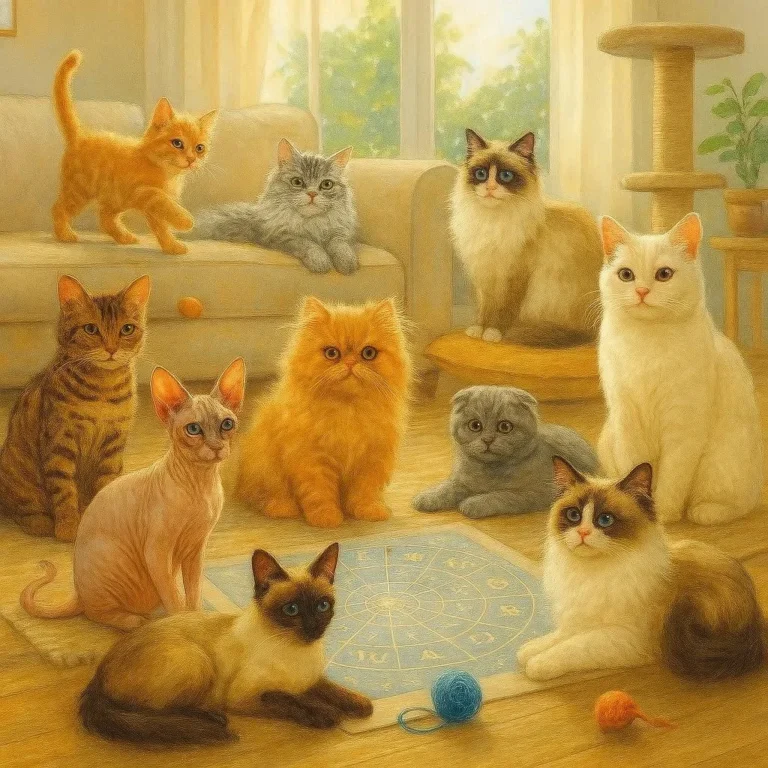
If you’re searching for a companion that feels like a living plush pillow, you’re in the right place. Fluffy cat breeds combine luxurious coats with affectionate personalities, making them perfect for families, singles, and anyone who loves to cuddle. While their abundant fur demands regular grooming, the reward is a warm, soothing presence that can brighten any home. Below we explore four beloved fluffy cat breeds, provide essential care tips, and point you toward trustworthy resources so you can make an informed decision about welcoming a fluffy friend into your life.
Fluffy Cat Breeds – Maine Coon
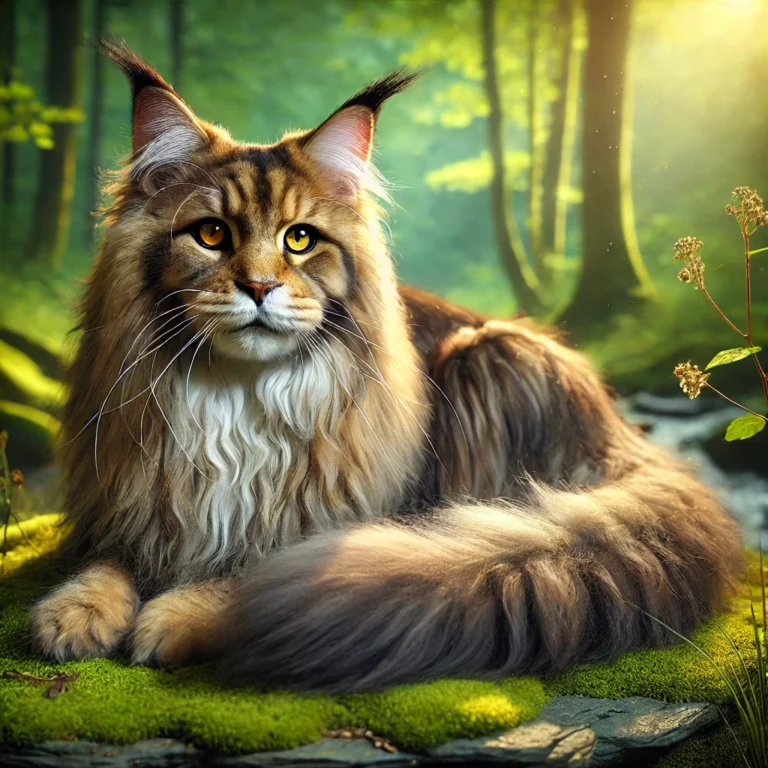
The Maine Coon holds the title of America’s largest domestic cat, and its impressive mane lives up to the “lion’s mane” nickname. Originating in the state of Maine, this breed is known for its “dog‑like” loyalty, gentle disposition, and a coat that ranges from silky short to shaggy long, depending on the individual. Their tufted ears and bushy tails add to the overall fluff factor, while their large paws often feature fur‑filled “snowshoe” pads that help them navigate winter conditions.
Despite their size, Maine Coons are typically easygoing and enjoy interactive play. They marry the independent spirit of a cat with the sociability of a Labrador, making them excellent companions for children and other pets. Their shed can be substantial, so regular brushing—ideally several times a week—is essential to prevent matting and reduce hairball formation. For more in‑depth breed information, see the Maine Coon Wikipedia page.
Fluffy Cat Breeds – Persian
Synonymous with elegance, the Persian cat has long been a favorite of royalty and artists alike. Their dense, flat‑faced appearance, coupled with a luxuriant coat that can reach the floor, creates a regal silhouette that turns heads wherever they go. Persians are celebrated for their calm, laid‑back temperament; they prefer a serene environment and enjoy lounging on soft blankets rather than high‑energy play.
Because their coat can easily become tangled, daily grooming is a must. Many owners opt for professional grooming sessions every 4‑6 weeks to maintain the signature plush look. Their facial structure can predispose them to tear staining and respiratory issues, so regular veterinary check‑ups are advisable. Learn about the breed’s origins and health considerations on the Persian cat Wikipedia entry.
Fluffy Cat Breeds – Ragdoll
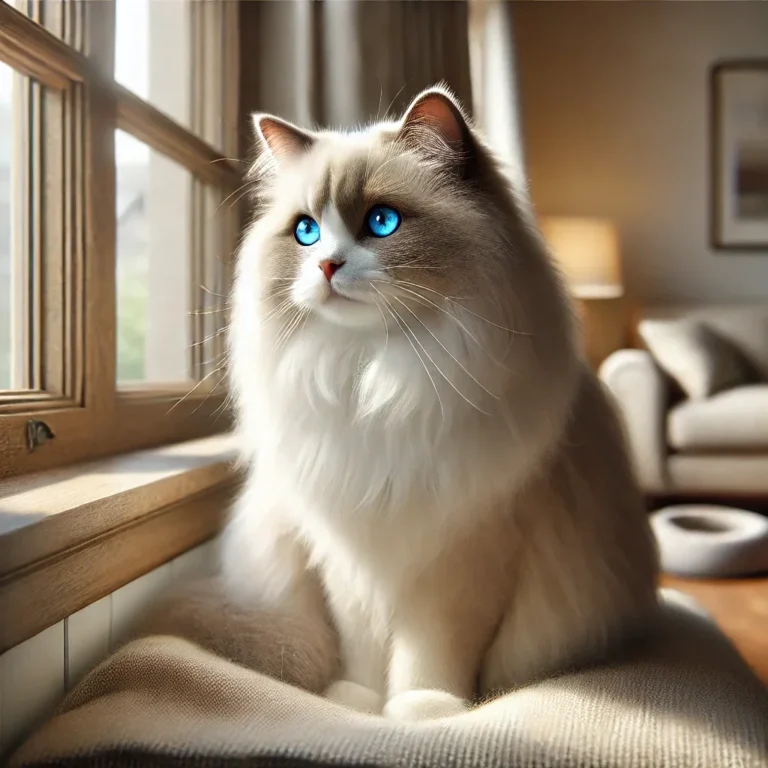
The Ragdoll earned its name because of its habit of going limp when picked up, resembling a soft ragdoll toy. Originating in the 1960s in California, Ragdolls are large, muscular cats with semi‑long hair that feels like silk. Their striking blue eyes, color‑point pattern, and relaxed demeanor make them both visually stunning and exceptionally affectionate.
These cats thrive on human interaction and often follow their owners from room to room. They are known to greet guests, play fetch, and even learn simple tricks. While their fur is less prone to matting than that of a Persian, weekly brushing helps keep it looking its best. Ragdolls are generally low‑maintenance health‑wise, though they can be prone to hypertrophic cardiomyopathy; routine cardiac screening is recommended. For a comprehensive overview, consult the Ragdoll Wikipedia article.
Fluffy Cat Breeds – Birman
The Birman, often called the “Sacred Cat of Burma,” combines a medium‑long coat with an amiable, people‑oriented personality. Their silky fur is shorter than a Persian’s but still exudes a plush feel, especially around the neck and tail. Birmans are known for their striking contrast of dark “mask” markings on the face, ears, paws, and tail against a lighter body color.
Social and gentle, Birmans enjoy being part of family activities and are especially tolerant of children. Their coat requires regular brushing—about twice a week—to prevent loose hairs from forming clumps. Despite their docile nature, they retain a playful spark that can be nurtured with interactive toys. For scientific details on the breed’s history, see the Birman Wikipedia page.
Key Care Tips for Fluffy Cat Breeds
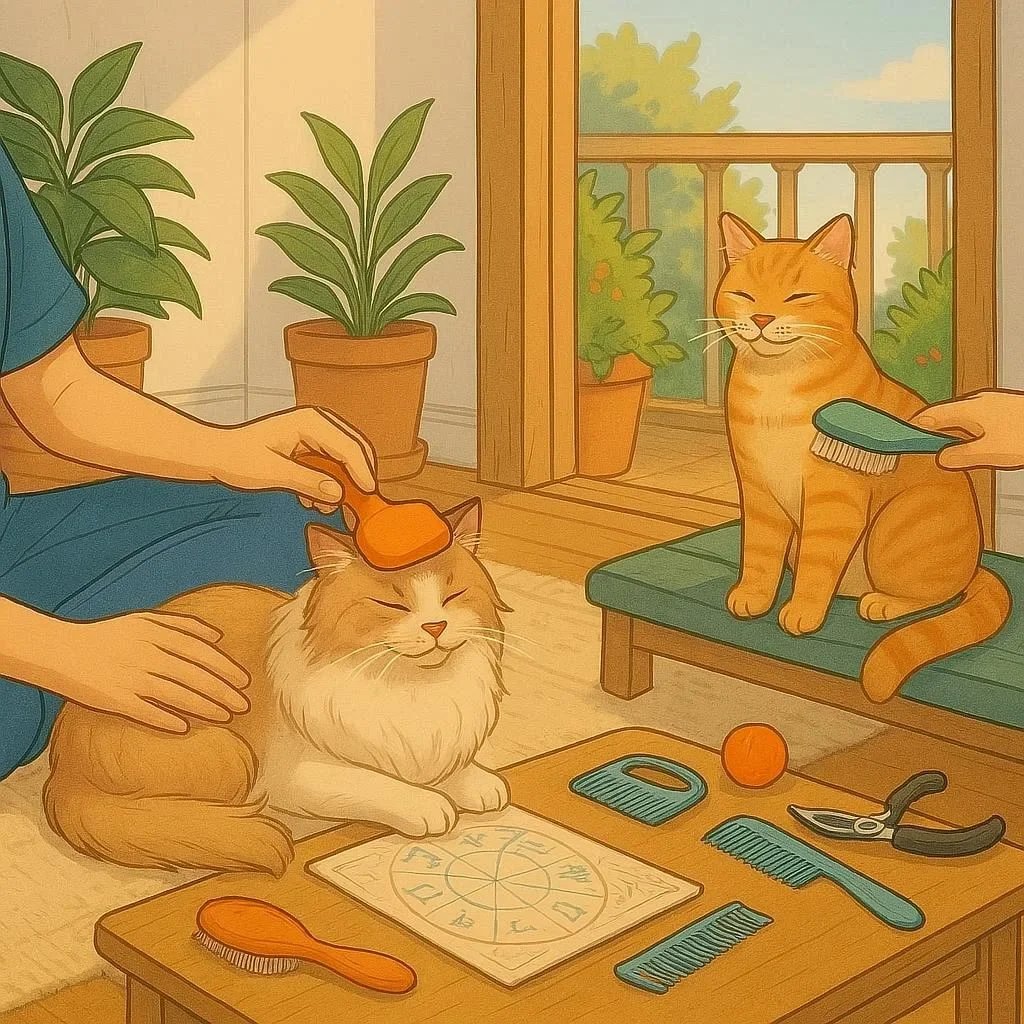
- Regular Grooming: Brush your cat at least 2‑3 times weekly to reduce shedding and avoid matting.
- Nutrition: Feed a high‑protein diet tailored to the breed’s activity level; consult the ASPCA’s cat nutrition guide for recommendations.
- Health Screening: Schedule annual veterinary visits and discuss breed‑specific concerns such as heart health for Ragdolls or respiratory issues for Persians.
- Environment: Provide low‑draft, comfortable resting spots and avoid extreme temperature changes that can affect coat quality.
- Hydration: Encourage water intake with a pet fountain; proper hydration supports a healthy coat and skin.
Conclusion
Choosing a fluffy cat breed is more than an aesthetic decision—it’s a commitment to a companion whose soft fur and loving nature enrich daily life. Whether you’re drawn to the majestic Maine Coon, the serene Persian, the cuddly Ragdoll, or the gentle Birman, each breed offers a unique blend of beauty and temperament. Ready to welcome one of these plush personalities into your home? Explore reputable adoption centers, learn about responsible cat ownership on the CDC’s pet health page, and start the journey toward a lifelong fluffy friendship today. Adopt, love, and cherish—your perfect fluffy cat awaits!
Frequently Asked Questions
Q1. How often should I groom a fluffy cat breed?
Most fluffy breeds benefit from brushing at least two to three times a week to prevent matting and reduce shedding. Daily grooming is ideal for Persian cats because of their dense coat. Longer sessions also help you check for skin issues or parasites.
Q2. Do fluffy cat breeds shed a lot?
Yes, breeds like Maine Coon and Birman shed heavily, especially during seasonal changes. Regular brushing and a balanced diet can minimize loose hair. Using a pet‑friendly vacuum or lint roller helps keep your home tidy.
Q3. Are fluffy cats good with children and other pets?
Generally, breeds such as Ragdoll and Birman are known for their gentle, sociable nature and do well with kids and other animals. Maine Coons are also patient playmates. Supervision is still recommended for any new interaction.
Q4. What health issues are common in fluffy cat breeds?
Persians often face respiratory problems and tear staining due to their flat faces. Ragdolls can be prone to hypertrophic cardiomyopathy, while Maine Coons may develop hip dysplasia. Regular veterinary check‑ups help catch these issues early.
Q5. How can I keep my fluffy cat’s coat healthy?
Provide high‑quality protein‑rich food, omega‑3 fatty acids, and plenty of fresh water to support skin and fur health. Routine brushing distributes natural oils throughout the coat. Occasional baths with cat‑safe shampoo can also keep the fur looking sleek.