Best Indoor Cat Breeds Guide
Choosing the right cat for an indoor lifestyle can feel overwhelming, but the best indoor cat breeds share traits that make them happy and healthy inside the home. Whether you live in a compact apartment, a bustling family house, or a quiet condo, selecting a breed that matches your space, energy level, and allergy concerns will reduce stress for both you and your feline companion. Below, we examine the top candidates, highlight their temperaments, and provide practical tips for thriving in a low‑maintenance, indoor‑only environment.
Top Indoor Cat Breeds for Small Spaces
When floor space is at a premium, a cat’s size and activity pattern become crucial. British Shorthair, Russian Blue, and Scottish Fold are compact, muscular cats that appreciate a sunny windowsill and a modest collection of toys. Their moderate play needs can be satisfied with short interactive sessions, allowing them to relax peacefully on a sofa or cat tree for the rest of the day. The breed’s naturally calm disposition also means they are less likely to test boundaries by leaping onto countertops.
Low‑Maintenance Cats That Thrive Indoors
For owners who prefer a cat that requires minimal grooming and bathroom trips, look to breeds such as the Domestic Shorthair, American Shorthair, and the Chartreux. These cats possess dense yet low‑shedding coats, making weekly brushing sufficient. Their litter box habits are generally reliable; they instinctively bury waste, helping maintain a tidy living area. Moreover, their adaptable personalities fit well into households with busy schedules, as they can entertain themselves with puzzle feeders and gentle play without demanding constant attention.
Quiet and Calm Breeds for Apartments
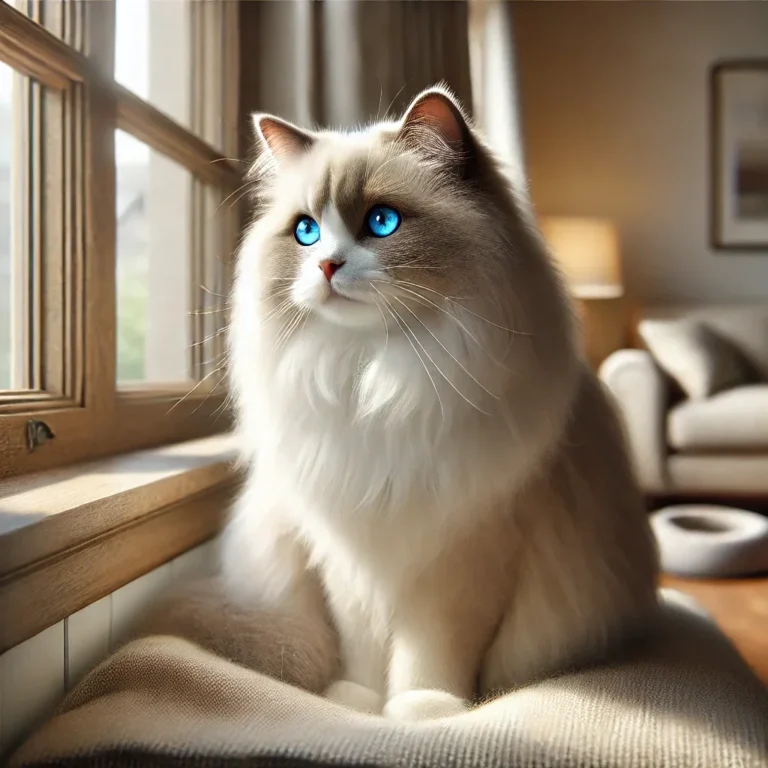
Noise can travel quickly in apartment buildings, so a cat that values serenity over vocalization is a wise choice. The Ragdoll, known for its docile, “floppy” nature when picked up, often prefers a calm environment and rarely meows excessively. Similarly, the Birman and Exotic Shorthair are affectionate yet understated, offering companionship without drawing unwanted attention from neighbors. Their tendency to seek out a lap or a quiet corner makes them excellent partners for remote workers or retirees.
Hypoallergenic Options for Sensitive Owners
If allergies are a concern, consider breeds that produce fewer allergenic proteins, such as the Sphynx, Balinese, or the Devon Rex. While no cat is completely allergen‑free, these breeds tend to trigger milder reactions because they have less fur to trap dander. Regular grooming, combined with a high‑efficiency air purifier, can further reduce allergens in the home. Potential owners should spend time with the breed beforehand to gauge personal sensitivity.
Comprehensive Breed Overview
Below is a concise reference table summarizing the characteristics most relevant to indoor living. Use it to match your lifestyle with the perfect feline companion.
- British Shorthair – Medium size, plush coat, low activity, excellent for small apartments.
- Russian Blue – Sleek, shy, low shedding, thrives on quiet corners.
- Scottish Fold – Unique ear fold, affectionate, moderate grooming.
- Domestic Shorthair – Versatile, low maintenance, adaptable to any indoor setting.
- American Shorthair – Hardy, playful but self‑entertaining, easy‑care coat.
- Chartreux – Blue‑gray coat, quiet, fond of lap time.
- Ragdoll – Large, docile, enjoys being held, minimal vocalization.
- Birman – Semi‑longhair, gentle, prefers calm environments.
- Exotic Shorthair – “Persian short‑hair,” low energy, loves soft bedding.
- Sphynx – Hairless, warm‑blooded, requires regular skin care, lower allergen production.
- Balinese – Long‑haired “Siamese,” moderate grooming, hypoallergenic traits.
- Devon Rex – Curly coat, playful, relatively low shedding.
Preparing Your Home for an Indoor Cat
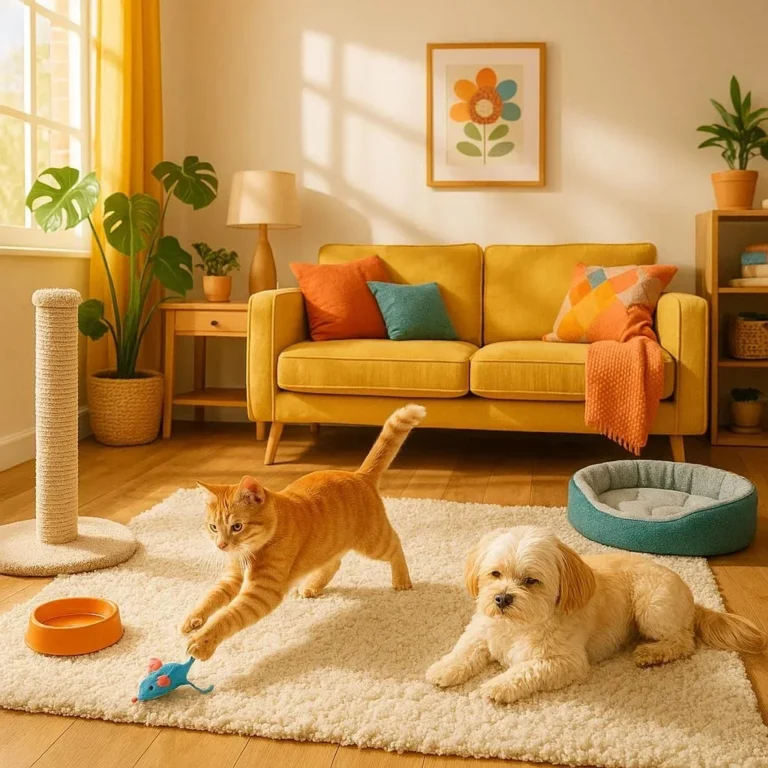
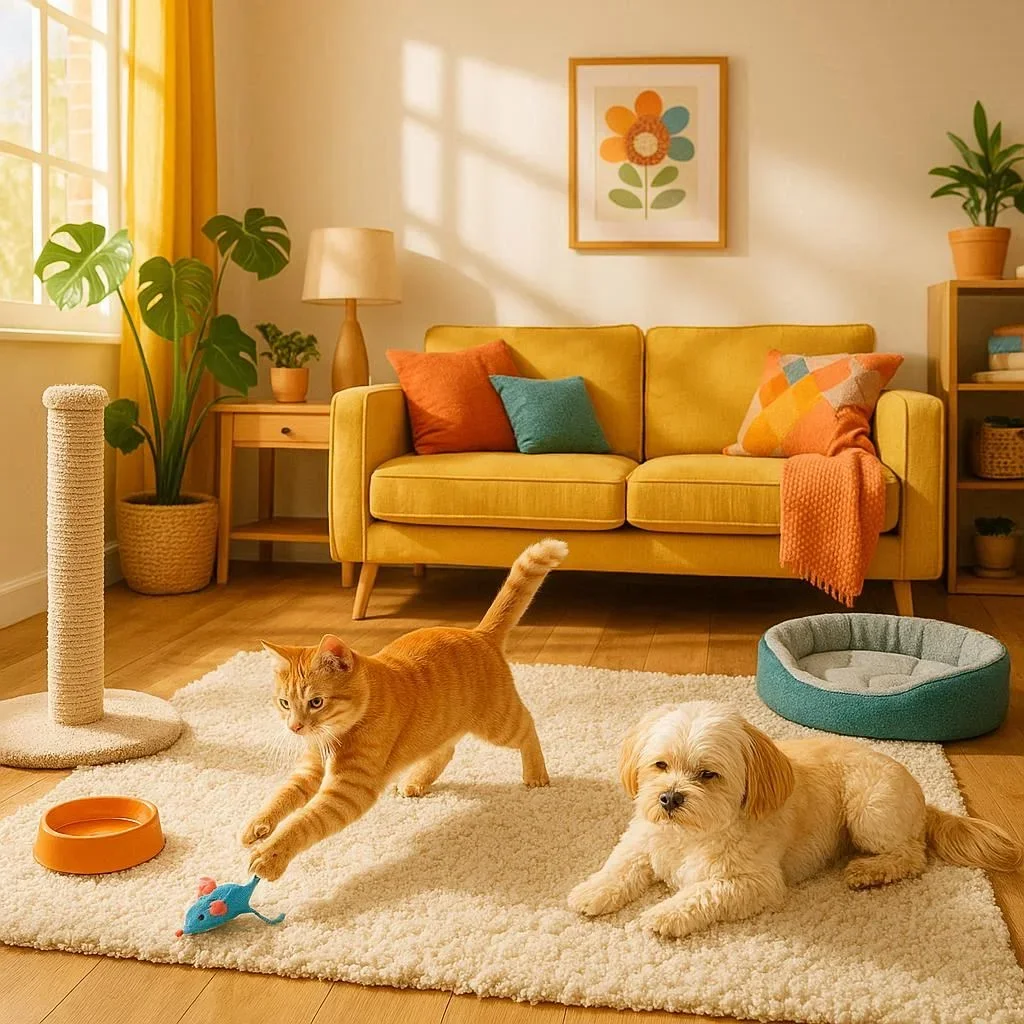
Before bringing any of the best indoor cat breeds home, set up a safe, enriching environment. Provide vertical space with cat trees, hideaway spots, and scratching posts to satisfy natural climbing instincts. Keep litter boxes in quiet, accessible locations—ideally one per cat plus one extra—to maintain hygiene and reduce stress. A steady routine of feeding, play, and grooming will help your cat adjust quickly and reinforce positive behavior.
Health Considerations Specific to Indoor Cats
Indoor cats benefit from regular veterinary check‑ups to monitor weight, dental health, and potential genetic conditions common to certain breeds. For example, Persian‑type cats may develop respiratory issues due to flat faces, while Sphynx cats require skin moisturizers to prevent dryness. Nutritional needs vary; high‑protein, low‑carbohydrate diets support muscular development in active breeds, whereas senior cats appreciate joint‑support supplements.
Resources for Further Research
Reliable information can guide your decision and ensure a lifelong happy partnership. Consider reviewing these authoritative sources:
- British Shorthair – Wikipedia
- Ragdoll – Wikipedia
- ASPCA Cat Care Guide
- CDC Healthy Pets – Cats
- Cornell Feline Health Center
Conclusion and Next Steps
Choosing from the best indoor cat breeds means aligning a cat’s personality, grooming needs, and health profile with your living situation. By focusing on low‑maintenance, quiet, and hypoallergenic options, you can create a harmonious indoor environment that benefits both pet and owner. Ready to welcome a new feline friend? Contact your local shelter or reputable breeder today, and start the journey toward a contented, indoor‑only cat that fits your lifestyle perfectly.
Frequently Asked Questions
Q1. What makes a cat breed ideal for indoor living?
Ideal indoor cats are typically small to medium sized, have low to moderate energy levels, and possess a calm temperament. They prefer safe, enclosed spaces and are less likely to attempt escapes. Good indoor breeds also adapt well to litter‑box training and enjoy interactive play without needing extensive outdoor stimulation.
Q2. Can indoor cats stay healthy without outdoor access?
Yes, indoor cats can thrive with proper nutrition, regular veterinary care, and mental enrichment. Providing scratching posts, puzzle feeders, and daily play sessions mimics natural hunting behaviors. Routine health checks help monitor weight and prevent common indoor‑related issues such as obesity.
Q3. Which indoor breeds are best for allergy sufferers?
Breeds like the Sphynx, Balinese, and Devon Rex tend to produce fewer allergenic proteins, making them more tolerable for sensitive people. While no cat is completely hypoallergenic, regular grooming and cleaning reduce dander buildup. Prospective owners should spend time with the cat before adoption to test their personal reaction.
Q4. How much grooming does a low‑maintenance indoor cat need?
Low‑maintenance breeds such as the Domestic Shorthair, American Shorthair, and Chartreux usually require a weekly brushing to remove loose hair. Their coats are short and shed minimally, simplifying litter and home cleaning. Even with low‑maintenance coats, routine nail trimming and dental checks are still important.
Q5. What is the best way to enrich an indoor cat’s environment?
Vertical space is key – install cat trees, shelves, and window perches for climbing and observing. Rotate toys regularly and offer interactive puzzles to stimulate hunting instincts. Safe outdoor views, such as bird feeders outside a window, provide visual entertainment without risking escape.