Happy Healthy Indoor Cat Tips
Keeping an indoor cat happy and healthy requires a blend of proper nutrition, mental stimulation, and safe environmental design. While indoor living protects cats from traffic, predators, and disease, it also limits natural opportunities for hunting, climbing, and exploring. Owners who understand the unique needs of an indoor feline can provide enrichment that mimics the outdoors, support robust cat nutrition, and prevent common behavioral issues. This guide outlines evidence‑based strategies to ensure your indoor cat thrives physically and emotionally.
Provide Balanced Cat Nutrition
Nutrition forms the foundation of a cat’s health. Indoor cats often have lower activity levels, which can predispose them to obesity if their diet is not adjusted accordingly. Choose a high‑quality, age‑appropriate cat food that lists a named animal protein as the first ingredient. Look for foods that meet the U.S. Department of Agriculture nutrition guidelines for pets or that are formulated according to the standards of the American Society for the Prevention of Cruelty to Animals. Feeding guidelines on the package are a starting point; monitor your cat’s body condition score regularly and adjust portions as needed.
Design an Enriching Environment
Environmental enrichment is essential for preventing boredom, stress, and the development of destructive behaviors. By offering a variety of textures, heights, and interactive toys, you simulate the challenges an outdoor cat would normally face. Here are key components of an enrichment‑rich home:
- Vertical space: Install cat trees, wall‑mounted shelves, or sturdy bookshelves to give your cat climbing opportunities. Cats naturally seek high perches to observe their territory.
- Scratching posts: Provide a mix of sisal, cardboard, and carpeted posts in various orientations. Regular scratching helps maintain claw health and marks territory.
- Interactive toys: Rotate feather wands, laser pointers, and puzzle feeders to keep play sessions fresh. Puzzle toys that dispense treats engage both mind and body.
- Window views: Place a perch near a sunny window that looks out onto a garden or street. A bird feeder outside can provide entertainment for hours.
- Safe outdoor access: If feasible, consider a “catios” or a screened porch where your cat can experience fresh air without the risks of free roaming.
Maintain Regular Physical Activity
Exercise prevents obesity, supports joint health, and reduces the likelihood of anxiety‑related behaviors. Aim for at least two dedicated play sessions per day, each lasting 10–15 minutes. Short bursts of high‑intensity activity mimic a cat’s natural hunting cycles. Use toys that encourage pouncing, chasing, and stalking. For cats that prefer solo play, interactive toys with motion sensors can keep them engaged when you’re busy.
Prioritize Preventive Health Care
Regular veterinary check‑ups are vital for early detection of health issues common in indoor cats, such as dental disease, urinary tract problems, and obesity. Follow the vaccination schedule recommended by your veterinarian and stay current on flea, tick, and worm preventatives, even for indoor‑only pets. Discuss spaying or neutering, which reduces the risk of certain cancers and mitigates territorial marking. The Centers for Disease Control and Prevention offers guidance on preventive care for companion animals.
Understand and Manage Indoor Cat Behavior
Indoor cats may develop behaviors such as excessive meowing, aggression toward other pets, or inappropriate elimination when they lack stimulation or feel stressed. Observe body language closely: a relaxed tail, slow blinks, and kneading are signs of contentment, while flattened ears and a puffed tail indicate fear or agitation. Address problem behaviors by first eliminating environmental triggers, then providing appropriate outlets. For example, if a cat scratches furniture, place a scratching post nearby and reward its use with treats.
Create a Routine That Reduces Stress
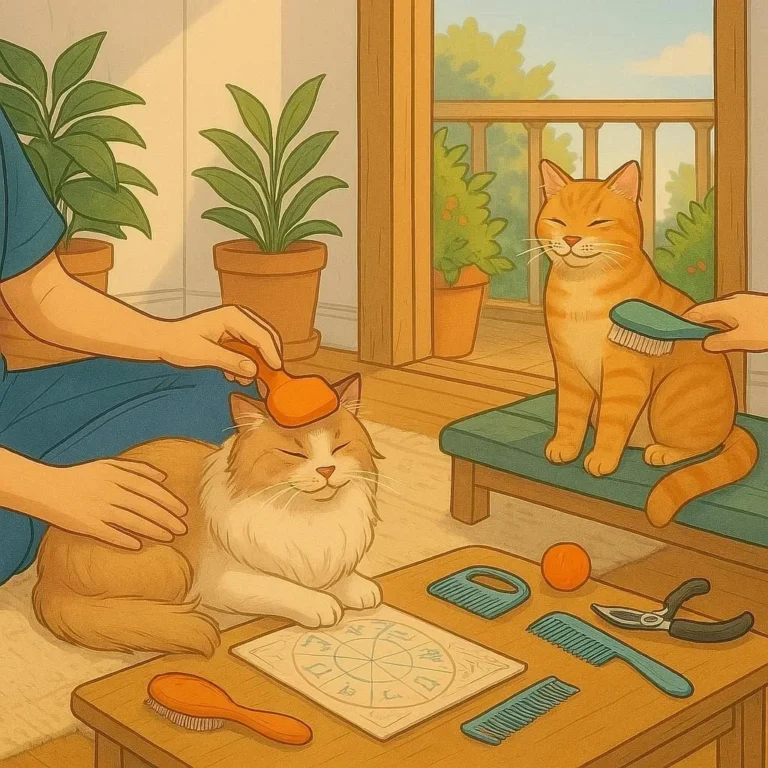
Consistency helps indoor cats feel secure. Establish regular feeding times, play sessions, and grooming routines. Gentle daily brushing not only reduces shedding but also strengthens the human‑cat bond. Use pheromone diffusers, such as those mimicking feline facial pheromones, to create a calming atmosphere during transitions like moving furniture or introducing a new pet.
Monitor Your Cat’s Mental Well‑Being
Just as humans can experience depression, cats can show signs of low mood, such as hiding, loss of appetite, or reduced grooming. If you notice these changes lasting more than a few days, schedule a veterinary assessment to rule out underlying medical issues. Mental health can often be improved with increased enrichment, play, and social interaction. The Tufts University Cummings School of Veterinary Medicine provides resources on feline behavioral health.
Conclusion: Commit to a Happy Healthy Indoor Cat Lifestyle
Ensuring your indoor cat remains happy and healthy is a proactive, ongoing process that blends proper nutrition, stimulating environments, regular exercise, and vigilant health care. By implementing the strategies outlined above—balanced cat nutrition, enriched surroundings, consistent activity, preventive veterinary visits, and attentive behavior management—you create a sanctuary where your feline companion can flourish. Start today by adding a new climbing perch or scheduling that overdue vet appointment. Invest in your indoor cat’s well‑being now, and enjoy years of affectionate companionship.
Frequently Asked Questions
Q1. How often should I feed my indoor cat?
Indoor cats should be fed measured portions two to three times a day, depending on the food’s calorie content and the cat’s age and activity level. Use the feeding guidelines on the package as a starting point, then adjust based on your cat’s body condition score. Regular weighing helps you spot weight gain early and keep your cat at a healthy weight.
Q2. What are the best ways to provide enrichment for an indoor cat?
Offer vertical space such as cat trees, shelves, or window perches so your cat can climb and observe its surroundings. Rotate a variety of toys—including feather wands, puzzle feeders, and interactive laser pointers—to keep interest high. Adding a bird feeder outside a window or creating a safe “catio” provides natural stimulation.
Q3. How much exercise does an indoor cat need each day?
Aim for at least two play sessions of 10‑15 minutes daily, focusing on high‑intensity bursts that mimic hunting. Toys that encourage pouncing, chasing, and stalking work best. Even short bouts of solo play with motion‑activated toys can help maintain a healthy weight.
Q4. Which preventive health care measures are essential for indoor cats?
Schedule yearly veterinary exams, keep vaccinations up to date, and discuss flea, tick and worm preventatives even for indoor‑only pets. Regular dental cleanings and urine health monitoring are important because indoor cats are prone to urinary issues. Spaying or neutering reduces cancer risk and unwanted behaviors.
Q5. How can I tell if my indoor cat is stressed or depressed?
Signs of stress include excessive meowing, hidden behavior, loss of appetite, or over‑grooming. A depressed cat may withdraw, stop playing, and appear lethargic for several days. If these symptoms persist, consult your veterinarian to rule out medical causes and adjust the environment.