Best Cat Breeds for Families
Choosing a cat for a busy household is more than a matter of cuteness; it demands a careful match between temperament, activity level, and the needs of children. Parents often ask which feline companions can thrive alongside toddlers, school‑age kids, and even other pets. The answer lies in selecting breeds that are known for gentle behavior, patience, and adaptability. In this guide we explore the best cat breeds for families, backed by veterinary research and reputable breed histories. By the end you will have a clear picture of the most reliable family‑friendly cats, practical tips for making the right choice, and resources to help you bring home a happy new member.
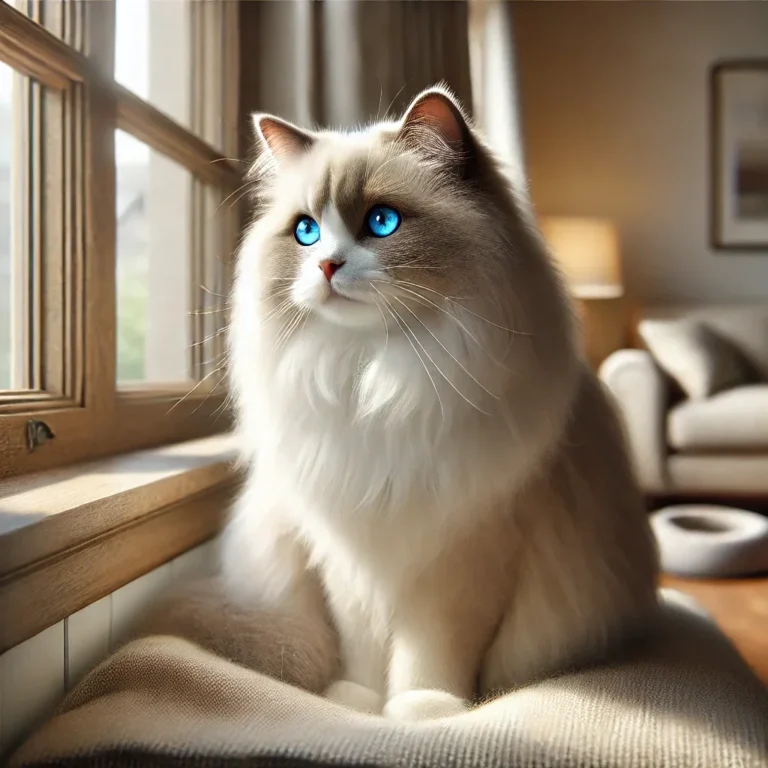
Ragdoll – Gentle Giant for Kids
The Ragdoll is frequently highlighted in Wikipedia for its remarkable calmness and love of human contact. This large‑bodied cat often goes limp when held, an endearing trait that makes it a safe lap cat for younger children. Ragdolls are known to follow owners from room to room, seeking interaction without demanding high‑energy play. Their soft, semi‑long coat is low‑maintenance because it does not mat easily, and they rarely exhibit aggressive behavior. For families that value a tolerant, affectionate companion, the Ragdoll checks nearly every box.
Maine Coon – Playful and Adaptable
Often called the “gentle giant of the North,” the Maine Coon is celebrated in Wikipedia for its sociable nature and impressive size. Despite their rugged appearance, Maine Coons are surprisingly patient with children, enjoying interactive games that stimulate both mind and muscle. Their sturdy build means they can tolerate a little rough‑housing, and their water‑repellent coat sheds less than many long‑haired breeds. According to the ASPCA, Maine Coons rank high among family‑friendly cat breeds because they blend intelligence with a calm demeanor.
British Shorthair – Calm Companion
The British Shorthair, detailed in Wikipedia, offers a plush, dense coat and a round, expressive face that instantly endears itself to kids. This breed is celebrated for its steady, almost “teddy‑bear” disposition. British Shorthairs are not overly demanding of attention, yet they relish gentle petting sessions, making them perfect for families that prefer a low‑maintenance yet affectionate cat. Their moderate activity level means they enjoy short play bursts followed by long periods of quiet rest—ideal for households where adult schedules vary throughout the week.
Siberian – Hypoallergenic Family Cat
For families concerned about allergies, the Siberian stands out as a naturally low‑shedding, hypoallergenic breed. Research from the Cornell Feline Health Center indicates that Siberians produce fewer of the Fel d 1 protein, the primary allergen found in cat saliva. Beyond their allergy‑friendly profile, Siberians are playful, energetic, and love to engage in interactive toys—traits that keep children entertained while encouraging physical activity. Their thick yet manageable coat requires weekly grooming, a routine that can become a bonding activity for parent and child alike.
Choosing the Right Breed for Your Household
Even the most family‑oriented breeds may not suit every home. Consider the following factors before finalizing your decision:
- Activity level: Match a cat’s energy with your children’s age and play style.
- Allergy concerns: Opt for hypoallergenic breeds like the Siberian if anyone in the family has sensitivities.
- Space availability: Larger breeds such as Maine Coons need room to stretch; smaller cats may thrive in apartments.
- Time commitment: Some breeds demand daily grooming; others are lower maintenance.
- Existing pets: Choose a cat known for getting along with dogs or other cats to ensure harmony.
Integrating a New Cat into Family Life
After selecting a breed, a smooth transition is essential. Introduce the cat gradually, allowing it to retreat to a quiet safe zone when needed. Teach children to respect the cat’s boundaries—no pulling tails or rough handling. Regular play sessions using wand toys or laser pointers will build trust and provide healthy exercise. Finally, schedule a veterinary check‑up within the first week to establish a health baseline and discuss vaccination or spay/neuter plans.
Health and Longevity Considerations
Family cats often live longer than their single‑owner counterparts because they receive consistent care and attention. The breeds highlighted—Ragdoll, Maine Coon, British Shorthair, and Siberian—generally enjoy life spans of 12‑15 years when provided with balanced nutrition, routine dental care, and annual veterinary exams. Preventive measures such as weight monitoring and parasite control are especially important for active households where cats may be exposed to outdoor environments.
Cost Overview
Budgeting for a family cat includes initial expenses (adoption fees, spay/neuter, microchipping) and ongoing costs (food, litter, toys, veterinary care). Purebred kittens from reputable breeders can command prices ranging from $800 to $2,000, whereas shelter adoption fees typically range from $50 to $150 and often include the first set of vaccinations. Consider adopting a mixed‑breed cat that exhibits the temperament traits you desire; many shelters label cats as “good with kids” based on behavior assessments.
Conclusion: Selecting the best cat breeds for families involves balancing temperament, health, and lifestyle compatibility. Ragdolls, Maine Coons, British Shorthairs, and Siberians each bring a unique combination of gentle nature, playfulness, and low‑maintenance care that aligns well with family dynamics. By evaluating activity levels, allergy concerns, and space constraints, you can choose a feline companion that will grow alongside your children, providing years of love and shared memories. Ready to welcome a new family member? Explore reputable breeders or local shelters today and give a cat the forever home it deserves.
Frequently Asked Questions
Q1. Which cat breed is best for households with young children?
Ragdolls are often recommended because of their gentle, docile nature and love of being held. They tolerate handling and are patient with toddlers. Their calm demeanor makes them a safe lap cat for families.
Q2. Are there hypoallergenic cat breeds suitable for families with allergies?
The Siberian is known for producing lower levels of the Fel d 1 protein, the main cat allergen. This makes it a good option for allergy‑sensitive families. Regular grooming also helps keep dander minimal.
Q3. How much space does a Maine Coon need in a family home?
Maine Coons are large and active, so they thrive in homes with room to explore and play. A living area with vertical cat trees and safe windows works well. They adapt to apartments if provided with enrichment.
Q4. What grooming requirements should families expect with a British Shorthair?
British Shorthairs have dense, short coats that require weekly brushing to remove loose hair. They are low‑shedding compared to long‑haired breeds. Regular nail trims and dental care are also recommended.
Q5. How can I introduce a new cat to my existing pets and children?
Start by setting up a separate safe room for the new cat and allow gradual scent swapping. Supervise short, calm interactions and reward calm behavior. Progress to longer sessions as confidence builds for both the cat and your children.