Top Family‑Friendly Dog Breeds
When families start looking for a new canine companion, the phrase family‑friendly dog breeds quickly becomes the guiding compass. A dog that can tolerate the chaos of bedtime stories, weekend trips to the park, and the occasional torn shoe is more than a pet – it’s a lifelong teammate. This guide explains why choosing the right breed matters, highlights the most reliable best dogs for families, and offers practical advice on temperament, grooming, and training so you can make an informed decision that benefits both children and adults.
Why Choose Family‑Friendly Dog Breeds?
Not every breed is built for the unpredictable environment of a household with kids. Research from the Centers for Disease Control and Prevention shows that well‑socialized dogs lower stress levels in children and can even improve immunity when proper hygiene is practiced. Moreover, families benefit from breeds that are patient, low‑aggression, and easy to train. Selecting a breed with a known temperament for being good with children reduces the risk of accidental bites and encourages positive social interactions.
Top Family‑Friendly Dog Breeds
Below is a curated list of breeds consistently rated high for safety, adaptability, and affection toward family members. Each breed description includes size, grooming needs, and why it thrives in a family setting.
Labrador Retriever
Widely recognized as one of the most popular dogs in the United States, the Labrador Retriever excels in friendliness and obedience. According to the Wikipedia entry, Labradors are medium‑large (55‑80 lb) with a short, water‑resistant coat that sheds moderately. Their eager‑to‑please attitude makes them ideal for obedience classes, and they love playing fetch—an activity that keeps both children and parents active.
Golden Retriever
Golden Retrievers share many traits with Labradors, including a calm demeanor and high tolerance for rough play. The American Kennel Club (AKC) notes that Goldens are excellent companions for families with toddlers because they rarely display aggression and are quick learners. Their longer, silky coat requires regular brushing, but they are not considered a low‑shedding breed.
Beagle
Beagles are small‑to‑medium (20‑25 lb) hounds with boundless curiosity. Their compact size makes them a good fit for apartment living, and their short coat is easy to maintain. Beagles thrive on scent‑games, which can be turned into educational treasure hunts for children, reinforcing problem‑solving skills while providing mental stimulation for the dog.
Boxer
Boxers are muscular, medium‑large dogs (50‑80 lb) known for their playful clown‑like personality. They are protective without being overly aggressive, making them reliable watchdogs for families. Their short, smooth coat sheds minimally, and they enjoy activities like tug‑of‑war, which encourages cooperation between kids and pet.
Cavalier King Charles Spaniel
If a smaller lap dog is preferred, the Cavalier King Charles Spaniel is a top choice. Weighing 13‑18 lb, this breed is gentle, affectionate, and eager to please. Their silky coat requires weekly brushing, but they are generally low‑shedding compared with other long‑haired breeds. Cavaliers are particularly suited for families with older children who enjoy calm cuddle sessions.
Mixed Breeds (Rescues)
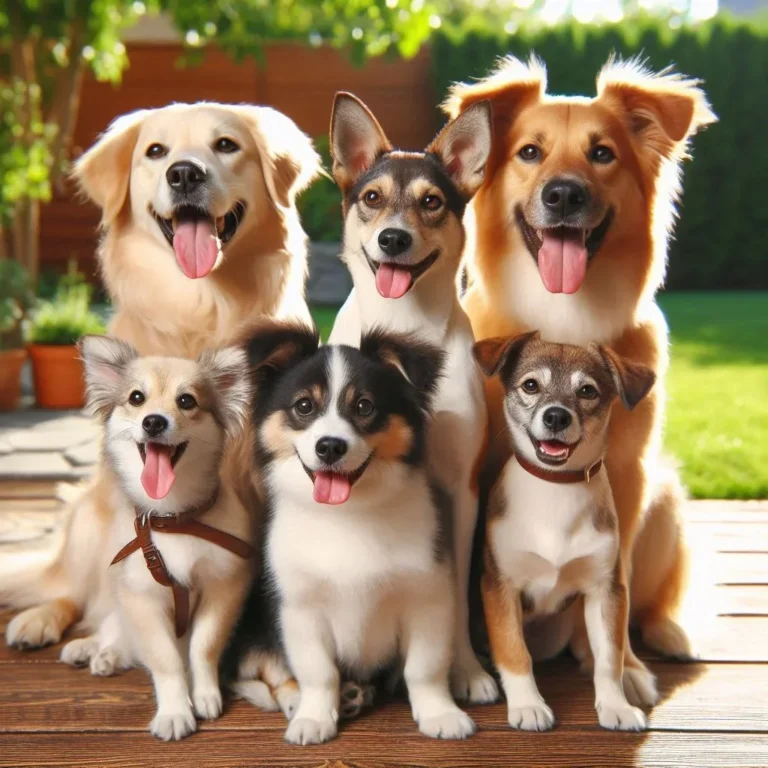
Adopting a mixed‑breed dog from a shelter can also provide a family‑friendly companion. Many rescues have been temperament‑tested and are known to be good with children. Organizations like the American Veterinary Medical Association encourage prospective owners to ask shelters about a dog’s history, health, and behavior before adopting.
Key Traits of Good Family Dogs
Regardless of breed, certain characteristics make a dog especially suitable for family life. Understanding these traits helps you assess potential pets during visits to breeders, shelters, or dog shows.
- Patience and tolerance: The ability to remain calm when children are loud or unpredictable.
- Trainability: Quick learners who respond well to consistent, positive reinforcement.
- Adaptability: Comfort with various environments, from city apartments to suburban yards.
- Size appropriate for your living space: Smaller breeds for limited indoor space; larger breeds for homes with yards.
- Low to moderate shedding: Minimizes allergen exposure for families with sensitivities.
Considerations When Selecting a Breed
Before deciding on a specific breed, evaluate your household’s lifestyle, activity level, and any special needs. Here are essential factors to weigh:
- Activity requirements: High‑energy breeds like Boxers need daily exercise; low‑energy breeds such as the Basset Hound may prefer short walks.
- Grooming commitments: Long‑haired dogs need regular brushing; short‑haired breeds shed less but still require occasional baths.
- Allergy concerns: If family members have allergies, consider hypoallergenic options like the Poodle or its mixes (e.g., Labradoodle).
- Space constraints: Larger breeds thrive in homes with fenced yards; smaller breeds adapt well to apartments.
- Financial responsibilities: Factor in food, veterinary care, training classes, and pet insurance.
Training and Socialization Tips for Family Dogs
Even the most well‑behaved breed benefits from consistent training and early socialization. Follow these steps to ensure your dog grows into a well‑adjusted family member:
- Start early: Begin basic commands (sit, stay, come) when the puppy is 8‑10 weeks old.
- Positive reinforcement: Use treats, praise, and play to reward desired behaviors; avoid harsh punishment.
- Expose to diverse situations: Take the dog to parks, pet‑friendly stores, and around different sounds to build confidence.
- Teach children proper handling: Educate kids on gentle petting, respecting the dog’s space, and never pulling tails or ears.
- Establish routines: Consistent feeding, walking, and bedtime schedules help dogs feel secure.
Conclusion
Choosing the right family‑friendly dog breed is a rewarding investment in your household’s happiness and health. By focusing on temperament, size, grooming needs, and your family’s daily rhythm, you can welcome a companion who brings joy for decades. Ready to meet your new family member? Explore our adoption resources today and find the perfect dog that fits your lifestyle.
Frequently Asked Questions
Q1. What makes a dog breed family‑friendly?
Family‑friendly breeds are typically patient, tolerant of noise, and eager to please. They respond well to consistent, positive training and are less likely to show aggression toward children. Their adaptability to various living situations also helps them thrive in busy households.
Q2. Are Labrador Retrievers good for families with small children?
Yes, Labradors are known for their gentle nature and high tolerance for rough play, making them excellent companions for young kids. Their intelligence and eagerness to learn mean they usually excel in basic obedience training. Regular exercise keeps their energy in check, reducing the chance of unwanted chewing.
Q3. How much grooming does a Golden Retriever need?
Golden Retrievers have a medium‑length, silky coat that requires brushing at least twice a week to prevent matting. They shed heavily, especially during seasonal changes, so occasional de‑shedding tools are helpful. Regular baths and nail trims keep them comfortable and healthy.
Q4. Can mixed‑breed rescue dogs be suitable for families?
Absolutely. Many shelters assess temperament and label dogs that are good with children, making mixed‑breed rescues a reliable option. Adopting a rescue also supports animal welfare and often provides a dog with a grateful, loving home. Ask the shelter for behavior reports and health history before adopting.
Q5. What training tips help ensure safety with kids?
Start training early with basic commands like sit, stay, and come, using positive reinforcement such as treats and praise. Teach children how to approach and handle the dog gently, respecting its space. Consistent routines and regular socialization expose the dog to different environments, building confidence and reducing fear‑based reactions.