Choosing a Quiet Bird
Choosing a quiet bird as a pet can feel like searching for a whisper in a bustling aviary. Not all feathered companions fill the room with squawks, and many owners‑in‑training are looking for a low‑noise bird that still offers intelligence, color, and personality. This guide walks you through the most important factors—species temperament, cage environment, health considerations, and daily care routines—so you can confidently select a bird that fits a calm household while staying within legal and ethical standards.
Understanding What Makes a Bird Quiet
Before you choose a species, it helps to know why some birds are quieter than others. Noise level is largely driven by natural communication habits, social structure, and the amount of mental stimulation they receive. A bird that feels secure, mentally engaged, and physically exercised will usually vocalize less. Birds that are naturally solitary or have been selectively bred for reduced chatter also tend to be more peaceful.
Top Low‑Noise Species for First‑Time Owners
Below is a compact list of species that consistently rank among the quietest pet birds. While individual temperament can vary, these birds are widely recognized for their gentle vocal profiles.
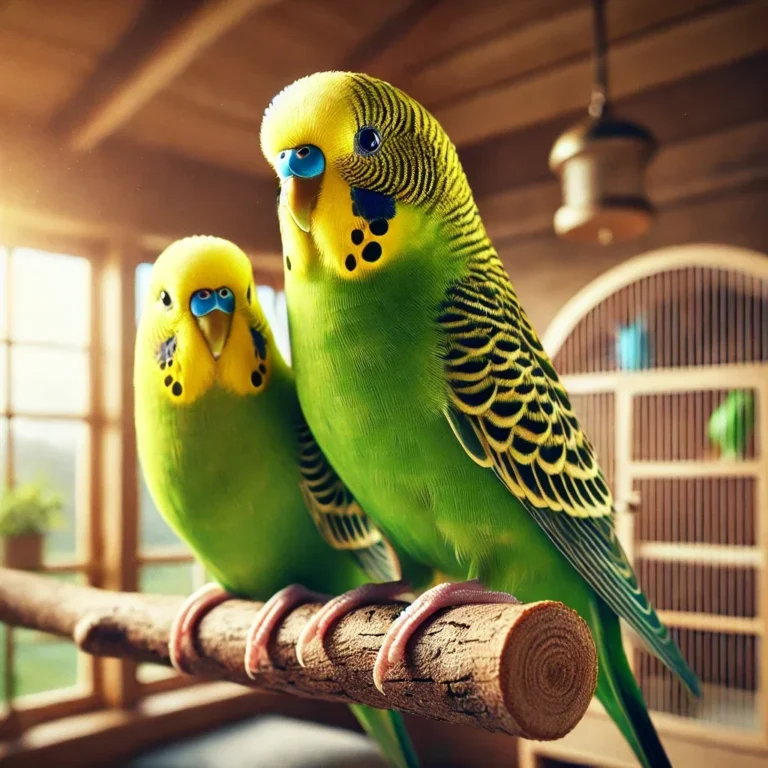
- Budgerigar (budgie) – Small, sociable, and often content with a few chirps per day.
- Canary – Known for melodic singing rather than harsh squawks; males sing, females are quieter.
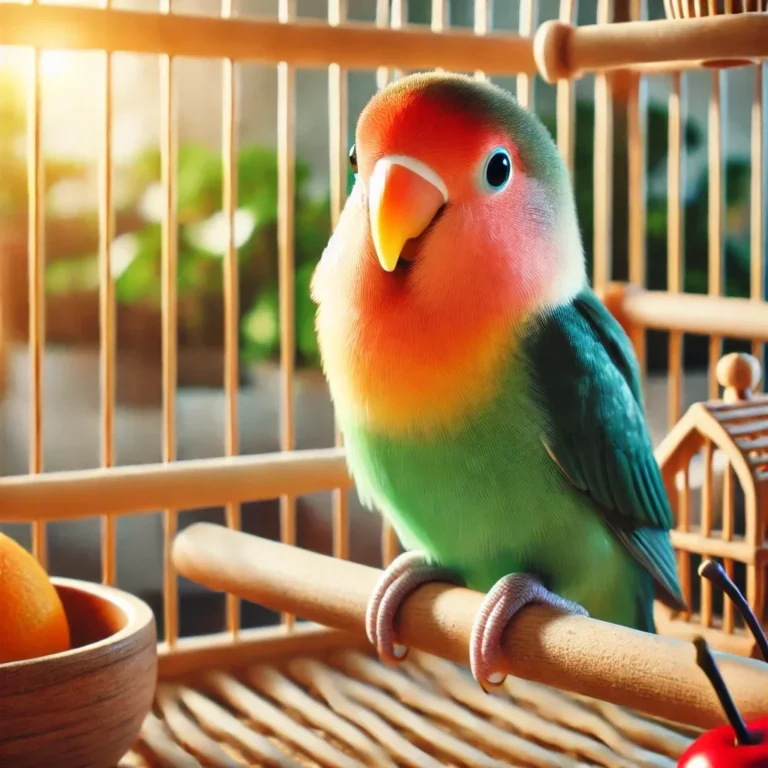
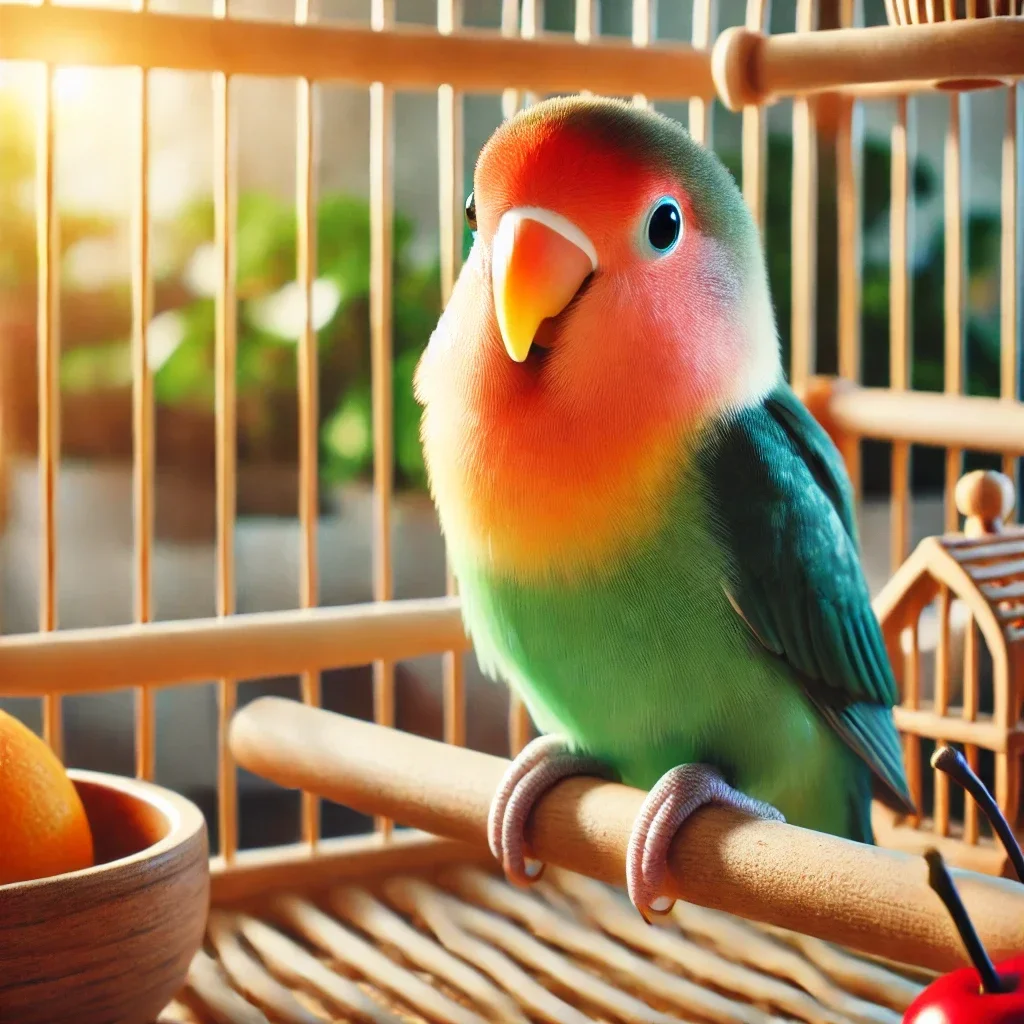
- Lovebird (especially older, hand‑tamed individuals) – Can be chatty but usually produces soft, gentle sounds.
- Ringneck Parakeet – Though capable of talking, many owners report low overall volume when the bird is mentally stimulated.
- Quaker Parrot – Small to medium size, often quieter than larger cousins like African Greys.
For more scientific background on parrot vocalization, see the Parrot Wikipedia page. If you need veterinary guidelines on bird health, the American Veterinary Medical Association offers comprehensive resources.
Evaluating Temperament and Social Needs
Even within a quiet species, personality differences abound. A bird raised with regular human interaction usually adapts better to a calm home and is less likely to develop stress‑induced screaming. Look for birds that display the following traits during a pre‑adoption visit:
- Calm body language – relaxed wings, soft eye pinning, and gentle head tilts.
- Contented vocalizations – low‑key chirps rather than high‑pitched alarms.
- Curiosity without aggression – willingness to explore a hand or perch.
Ask the breeder or shelter staff about the bird’s history. Have they been exposed to household noises? Were they hand‑raised or parent‑raised? Birds that have learned to trust humans typically need less auditory reassurance from their own species.
Creating a Quiet‑Friendly Habitat
Environmental factors can either amplify or mute a bird’s natural sounds. Here are five practical steps to set up a low‑noise enclosure:
- Location – Place the cage in a well‑lit room away from televisions or loud appliances. Natural light supports circadian rhythms, reducing nighttime calling.
- Cage material – Opt for stainless steel or powder‑coated cages rather than cheap wire that rattles.
- Sound‑absorbing accessories – Add soft bedding, fleece toys, and a cover for the cage at night. A quilted cage cover can lower echo and act as a visual cue for sleep.
- Enrichment – Rotate toys weekly, provide foraging puzzles, and offer safe chewable branches. Bored birds are more likely to scream for attention.
- Air quality – Keep the room ventilated but avoid drafts. The CDC’s guide on pet birds emphasizes clean air to prevent respiratory infections that can cause vocal distress.
Remember to clean the cage regularly; a buildup of waste can lead to foul odors that stress the bird and increase noise.
Health Checks That Prevent Unwanted Noise
Illness often manifests as altered vocal patterns. A sudden increase in volume, hoarseness, or complete silence can signal respiratory infection, beak problems, or digestive upset. Schedule an annual exam with an avian‑specialized veterinarian and watch for these warning signs:
- Discharge from the nostrils or eyes.
- Fluffed feathers that never settle.
- Changes in appetite or droppings.
- Persistent coughing or wheezing.
The U.S. Forest Service’s avian health bulletin provides a detailed checklist for owners. Early detection helps keep the bird comfortable and the household quiet.
Training Techniques for a Calm Companion
Positive reinforcement is the cornerstone of quiet‑bird training. Reward the bird with a favorite millet puff or a brief cuddle when it remains silent during a triggering event (e.g., a doorbell). Avoid punishing loud vocalizations; this can cause anxiety and paradoxically increase screaming.
Consistent daily routines—same feeding times, regular perch changes, and scheduled out‑of‑cage play—train the bird’s expectations and reduce surprise noises. If your bird has a tendency to mimic household sounds (like alarms), redirect the behavior by teaching a “quiet” cue using a soft hand signal.
Legal and Ethical Considerations
Not all quiet birds are legal in every jurisdiction. Some states restrict exotic parrots due to conservation concerns. Check your local wildlife agency before purchasing. The U.S. Fish and Wildlife Service maintains an up‑to‑date list of protected species.
Adopt from reputable breeders or rescue organizations that prioritize bird welfare. A responsibly sourced bird is more likely to thrive and contribute to a tranquil home environment.
Conclusion and Next Steps
Choosing a quiet bird as a pet involves matching species temperament, habitat design, health vigilance, and training consistency. By focusing on low‑noise species, providing enriching yet peaceful surroundings, and staying alert to health signals, you’ll enjoy the companionship of a feathered friend without disruptive squawking.
Ready to bring a gentle songbird into your life? Explore our curated list of reputable breeders, schedule a health check with an avian vet, and create the perfect quiet sanctuary today.
Frequently Asked Questions
Q1. Which bird species are naturally quiet?
Budgerigars, canaries, lovebirds (especially older hand‑tamed individuals), ringneck parakeets, and quaker parrots are commonly cited as low‑noise pets. While each bird has its own personality, these species tend to produce softer chirps rather than loud squawks. They are also small to medium sized, making them ideal for apartments.
Q2. How can I keep my bird from becoming noisy?
Provide plenty of mental enrichment, such as foraging toys and regular out‑of‑cage time, and maintain a consistent daily routine. A quiet, well‑lit environment with minimal sudden sounds reduces stress‑induced screaming. Positive reinforcement for calm behavior also helps.
Q3. Are quiet birds still social and interactive?
Yes. Quiet birds still crave companionship and will enjoy talking, gentle head‑tilts, and play. Their lower volume simply means they communicate with softer chirps. Regular hand‑taming and social interaction keep them happy.
Q4. What health signs indicate my bird may be stressed and noisy?
Watch for sudden increases in volume, hoarse calls, fluffed feathers that never settle, nasal or eye discharge, and changes in appetite or droppings. Respiratory infections often cause a bird to vocalize more loudly. Prompt veterinary attention can prevent chronic stress.
Q5. Do I need special permits to own a quiet bird?
Most low‑noise species like budgies, canaries, and lovebirds are legal in the United States and many other countries. However, some exotic parrots may be restricted in certain states or require a CITES permit. Always check local wildlife regulations before purchasing.