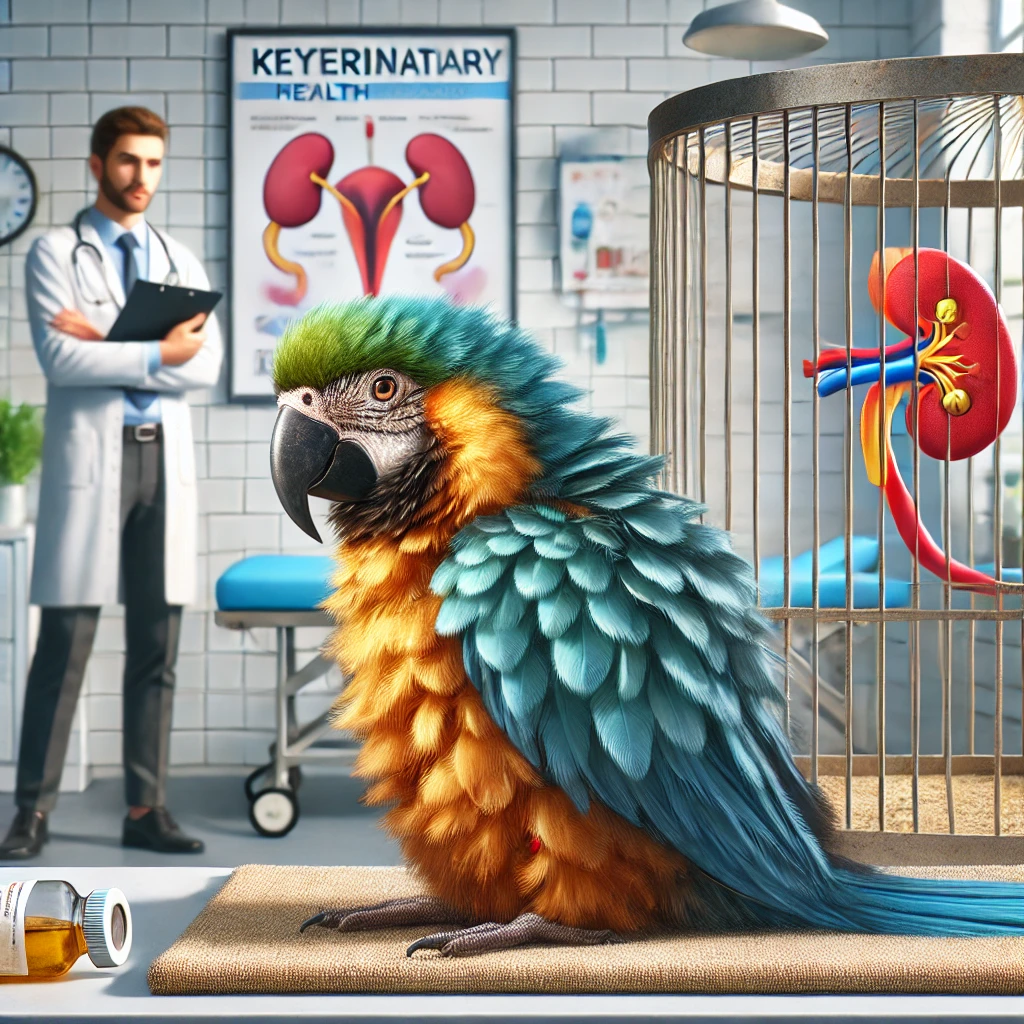
Common Diseases in Exotic Pet Birds
Exotic pet birds bring vibrant color and lively personalities into our homes, but they also have unique health needs that differ from more common companion animals. Understanding the most common diseases that affect exotic pet birds is essential for early detection, proper treatment, and long‑term wellbeing. This guide reviews the primary health challenges faced by these avian companions, highlights warning signs, and offers practical steps to keep your feathered friend thriving.
Respiratory Infections
Respiratory disease is the leading cause of illness and mortality in exotic pet birds. The delicate airways of parrots, lories, and other psittacines can be easily compromised by bacteria, viruses, fungi, or poor air quality. Common culprits include Psittacine Beak and Feather Disease Virus (PBFD), Avian Influenza, and fungal infections such as Aspergillosis. Symptoms often mimic a mild cold in humans—sneezing, nasal discharge, open‑mouth breathing, and a wheezing sound when exhaling.
Key risk factors are:
- Inadequate ventilation or high humidity
- Exposure to drafts or sudden temperature changes
- Contaminated food or water
- Stress from handling, habitat changes, or overcrowding
When you suspect a respiratory problem, act quickly: isolate the bird, improve ventilation, and consult an avian veterinarian. Early antimicrobial or antifungal therapy can prevent the infection from becoming systemic. For deeper insight into avian respiratory diseases, see the Avian diseases entry on Wikipedia.
Digestive Disorders
The digestive tract of exotic pet birds is highly sensitive to diet and environmental contaminants. Two of the most frequent disorders are crop stasis (also called crop impaction) and gastrointestinal (GI) ileus. A bird with crop stasis will show a firm, enlarged crop that feels hard to the touch, reduced appetite, and lethargy. GI ileus may present as bloating, abnormal droppings, and a “fluffed” appearance.
Common causes include:
- Feeding an all‑seed diet lacking fresh fruits, vegetables, and essential proteins
- Ingestion of foreign objects such as wood shavings or toys
- Underlying infections (e.g., Salmonella) or metabolic disease
Management focuses on rehydration, a soft‑food diet, and, when needed, veterinary-administered laxatives. Proper nutrition is a cornerstone of prevention; the AVMA bird health guide offers detailed feeding recommendations.
Feather and Skin Problems
Feather plucking, feather loss, and skin lesions are distressing both for owners and for the birds themselves. While some feather disorders stem from hormonal changes (e.g., molt cycles), many are linked to stress, nutritional deficiencies, or parasitic infestations. Feather picking is especially common in parrots kept in small cages or lacking mental enrichment.
Signs to watch for include:
- Irregular patches of bare skin
- Excessive preening or scratching
- Presence of mites, nits, or scaly debris on the plumage
- Changes in behavior such as aggression or withdrawal
Addressing feather and skin issues typically requires a multi‑faceted approach: improve cage size, add foraging toys, ensure a balanced diet rich in vitamins A, E, and calcium, and treat any identified parasites. The Cornell Avian Medicine program provides research‑based guidance on avian skin health.
Parasitic Infestations
External parasites like feather mites (e.g., Knemidocoptes) and internal parasites such as coccidia and nematodes can compromise the health of exotic pet birds. Infestations often go unnoticed until birds display weight loss, watery droppings, or visible debris on feathers. Infections can also weaken the immune system, making birds more vulnerable to secondary bacterial or fungal diseases.
Prevention strategies include:
- Regular cleaning of cages, perches, and feeding dishes
- Quarantining new birds for at least 30 days
- Routine fecal examinations by an avian veterinarian
- Using veterinarian‑approved prophylactic treatments when indicated
For a comprehensive overview of parasite control in birds, consult the USDA animal disease resources.
Metabolic and Nutritional Issues
Metabolic disorders, including fatty liver disease, gout, and calcium deficiency, are common in exotic pet birds that receive an imbalanced diet. Fatty liver can develop quickly when birds are fed excessive seeds high in fat, leading to lethargy, a distended abdomen, and sudden death if untreated. Gout—deposition of uric acid crystals—manifests as swollen joints and a gritty, chalky substance around the beak or feet.
Maintaining optimal nutrition involves providing a varied diet that mimics natural foraging: fresh fruits, vegetables, sprouted seeds, and high‑quality formulated pellets. The PetMD bird health site outlines specific dietary requirements for common exotic species.
Conclusion
By staying vigilant and partnering with a qualified avian veterinarian, you can catch the early signs of disease in your exotic pet birds and intervene before conditions become life‑threatening. Remember to maintain clean environments, provide balanced nutrition, and offer mental enrichment to reduce stress‑related illnesses. For personalized advice or to schedule a wellness exam, contact your local avian specialist today and give your feathered companion the healthiest life possible.
Frequently Asked Questions
Q1. What are the early signs of respiratory disease in exotic pet birds?
Look for sneezing, nasal discharge, open‑mouth breathing, wheezing, or a dull, fluffed appearance. These symptoms often appear gradually and may be mistaken for a mild cold. If you notice any of them, isolate the bird and seek veterinary care promptly.
Q2. How can I prevent crop stasis and other digestive problems?
Offer a balanced diet that includes fresh fruits, vegetables, and formulated pellets rather than an all‑seed menu. Provide regular access to clean water and avoid giving small, hard objects that could become lodged. Routine health checks help catch issues before they become severe.
Q3. Why does my parrot pluck its own feathers, and how can I stop it?
Feather plucking is often stress‑related and can be triggered by a small cage, lack of enrichment, or nutritional gaps. Enrich the environment with foraging toys, increase cage size, and ensure a diet rich in vitamins A, E, and calcium. Consulting an avian vet can rule out medical causes and guide behavior modification.
Q4. What are the most common parasites affecting exotic pet birds?
External mites such as Knemidocoptes and internal parasites like coccidia and nematodes are frequent. Signs include visible debris on feathers, weight loss, and watery droppings. Regular cage cleaning, quarantine of new birds, and fecal exams are key preventive steps.
Q5. How do metabolic disorders like fatty liver and gout develop in pet birds?
These conditions stem from an unbalanced diet high in fat or excessive protein, leading to liver fat accumulation or uric acid crystal buildup. Symptoms may include a bloated abdomen, lethargy, or swollen joints. Feeding a varied, nutritionally complete diet and monitoring body condition can reduce risk.