Cute Cats for Calm Households
When looking for a feline companion, many prospective owners wonder which cute cats will flourish in a serene, low‑activity environment. Calm households often benefit from cats that naturally match a laid‑back lifestyle, providing affection without demanding constant play or high‑energy interaction. Understanding the temperament, health needs, and social requirements of these gentle companions helps you create a harmonious home that respects both your lifestyle and the cat’s well‑being. Below, we explore why cute cats are a perfect fit for calm households, highlight the top breeds, offer health‑focused care tips, and outline adoption strategies that set both you and your new pet up for success.
Why Cute Cats Thrive in Calm Households
Quiet environments cater to the instinctual needs of many cat breeds that prefer lounging, gentle play, and predictable routines. According to the AVMA cat health guidelines, stress reduction is linked to lower incidences of urinary issues and obesity, common concerns for indoor cats. Cute cats with a calm demeanor are less likely to exhibit destructive behavior caused by anxiety, making them ideal for families who value a peaceful home life.
Top Cute Cats Ideal for Low‑Energy Homes
While every cat has a unique personality, several breeds are renowned for their gentle temperament and adaptability to a quieter setting. Below is a curated list of breeds that consistently rank high for low‑energy, affectionate traits.
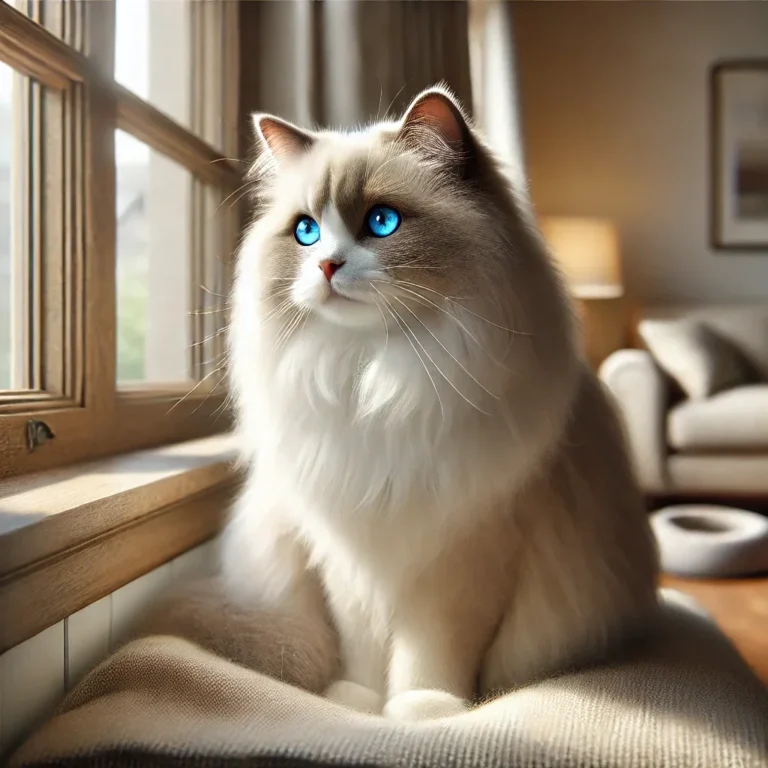
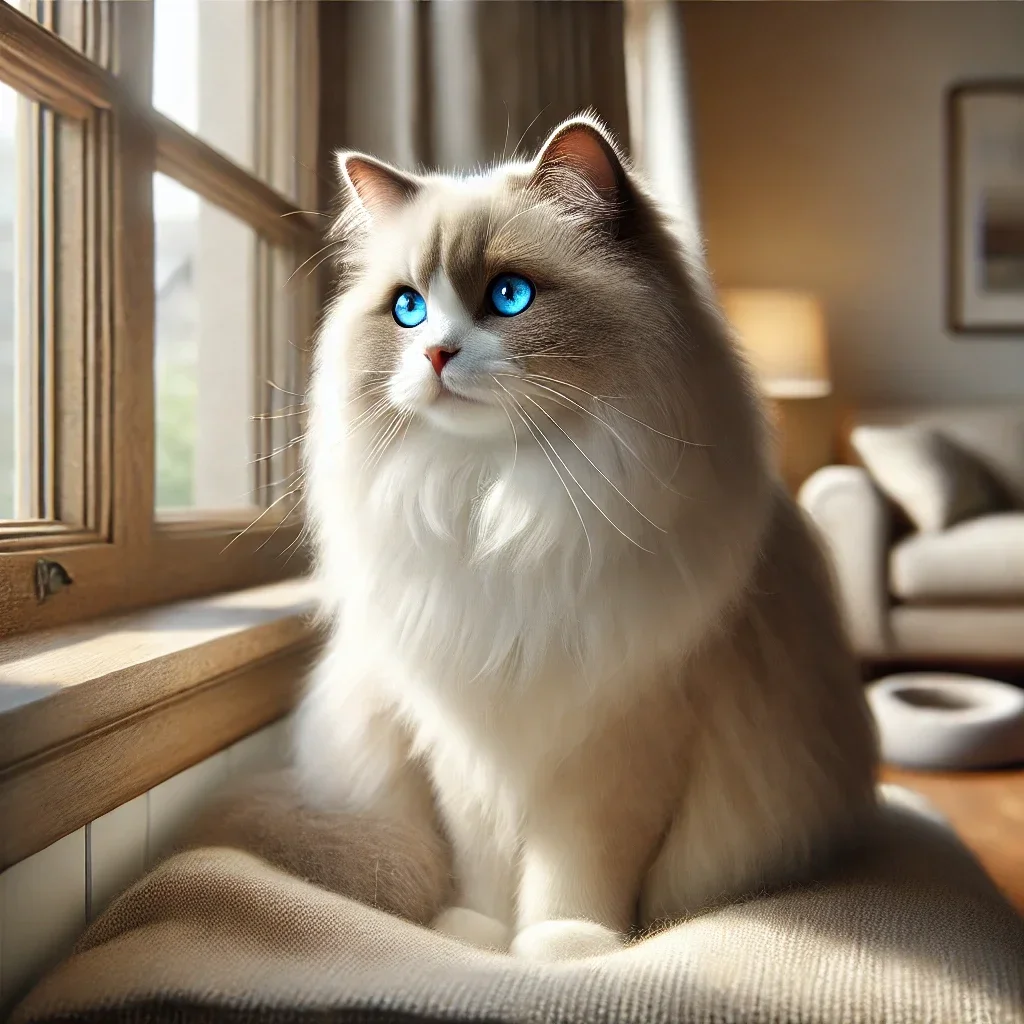
- Ragdoll – Known for its floppy, docile nature, the Ragdoll often follows owners from room to room, seeking companionship without demanding constant play.
- British Shorthair – This sturdy, calm breed enjoys lounging in sunny spots and is content with brief, gentle interactions.
- Scottish Fold – Recognizable by its folded ears, the Scottish Fold is affectionate, enjoys being held, and prefers a relaxed environment.
- Chartreux – With a plush blue coat and soft voice, the Chartreux is quiet, intelligent, and thrives on routine.
- Exotic Shorthair – Often called the “lazy Persian,” this breed loves to cuddle and is less demanding than many active breeds.
These breeds are widely documented in the list of cat breeds on Wikipedia, highlighting their temperament and care needs. Choosing a breed that aligns with a calm household reduces the risk of behavior problems and promotes a lasting bond.
Health and Care Tips for Cute Cats in Calm Settings
Even the most low‑maintenance cat requires attentive care to stay healthy and happy. Here are essential guidelines tailored for cute cats living in tranquil homes:
- Balanced Nutrition – Select high‑quality, protein‑rich food appropriate for your cat’s age and weight. Monitor portions to prevent obesity, a common issue for indoor cats (ASPCA cat care).
- Regular Veterinary Check‑ups – Schedule annual exams to catch early signs of dental disease, kidney issues, or thyroid problems, which are prevalent in certain breeds like the Ragdoll.
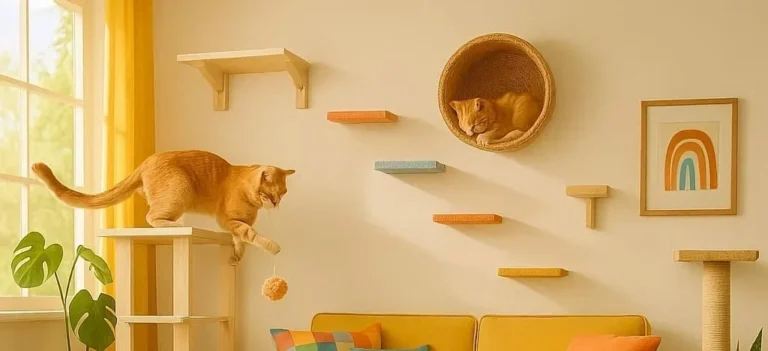
- Environmental Enrichment – Even calm cats benefit from scratching posts, climbing trees, and puzzle feeders that stimulate mental activity without encouraging high‑energy play.
- Litter Box Hygiene – Keep the litter box clean and in a quiet, low‑traffic area. Stress‑related urinary problems can arise when cats feel unsafe or overwhelmed.
- Gentle Grooming – Long‑haired breeds (e.g., Ragdoll) need weekly brushing to prevent matting, while short‑haired cats appreciate occasional nail trims.
Recent research published in the National Library of Medicine confirms that environmental stability and predictable routines significantly improve feline stress markers, reinforcing the importance of a calm household for the well‑being of cute cats.
Adoption and Integration Strategies for Cute Cats
Adopting a cat that fits a calm lifestyle involves more than selecting the right breed; it also requires thoughtful integration into your home. Follow these steps to ensure a smooth transition:
- Visit Local Shelters – Many shelters house mixed‑breed cats with laid‑back personalities that match the calm household criteria. Staff can recommend cats based on temperament assessments.
- Gradual Introduction – Allow the new cat to explore a single room initially, providing food, water, and a litter box. Expand the territory slowly to prevent overwhelm.
- Maintain Routine – Feed, play, and groom at consistent times each day. Predictability reassures the cat and reduces anxiety.
- Provide Safe Havens – Offer covered beds, high perches, or quiet corners where the cat can retreat when needed.
Remember, patience is key. Even the most docile cute cats may need a few weeks to adjust, but with consistent care they will soon become a beloved, low‑maintenance companion.
Conclusion: Choose a Cute Cat for a Peaceful Home
In summary, cute cats such as the Ragdoll, British Shorthair, and Scottish Fold are exceptionally well‑suited for calm households. Their gentle temperaments, combined with proper nutrition, routine veterinary care, and a stable environment, foster long‑lasting health and happiness. By selecting a breed that aligns with your lifestyle, implementing thoughtful adoption practices, and maintaining a predictable routine, you create a sanctuary where both you and your feline friend can thrive.
Ready to welcome a calm, cute companion into your home? Explore local shelters today and discover which low‑energy breed matches your lifestyle. Your perfect peaceful partnership is just a visit away.
Frequently Asked Questions
Q1. Which cute cat breeds are best for a low‑energy home?
Breeds such as the Ragdoll, British Shorthair, Scottish Fold, Chartreux, and Exotic Shorthair are known for their calm temperaments and love of lounging. They enjoy gentle interaction but don’t require constant play. These cats adapt well to predictable routines and quieter environments.
Q2. How can I keep a calm cat healthy indoors?
Provide a balanced, protein‑rich diet and monitor portion sizes to prevent obesity. Schedule annual veterinary check‑ups, keep the litter box clean, and offer low‑stress enrichment like scratching posts and puzzle feeders. Regular grooming, especially for long‑haired breeds, also supports overall health.
Q3. Do calm cats need a lot of toys and activities?
Even low‑energy cats benefit from mental stimulation. Simple toys, interactive feeders, and climbing trees satisfy their curiosity without encouraging high‑octane play. The key is variety and rotation, not quantity.
Q4. What’s the best way to introduce a new cute cat to my home?
Start with a single, quiet room equipped with food, water, a litter box, and a comfortable bed. Allow the cat to explore at its own pace, gradually expanding its access to other areas. Maintaining a consistent daily routine helps reduce anxiety during the transition.
Q5. Can mixed‑breed cats be as calm as purebred ones?
Yes, many mixed‑breed cats have laid‑back personalities that suit calm households. Shelter staff often assess temperament and can match you with a cat whose behavior aligns with a low‑energy lifestyle. Visiting and spending time with the cat before adoption helps ensure a good fit.