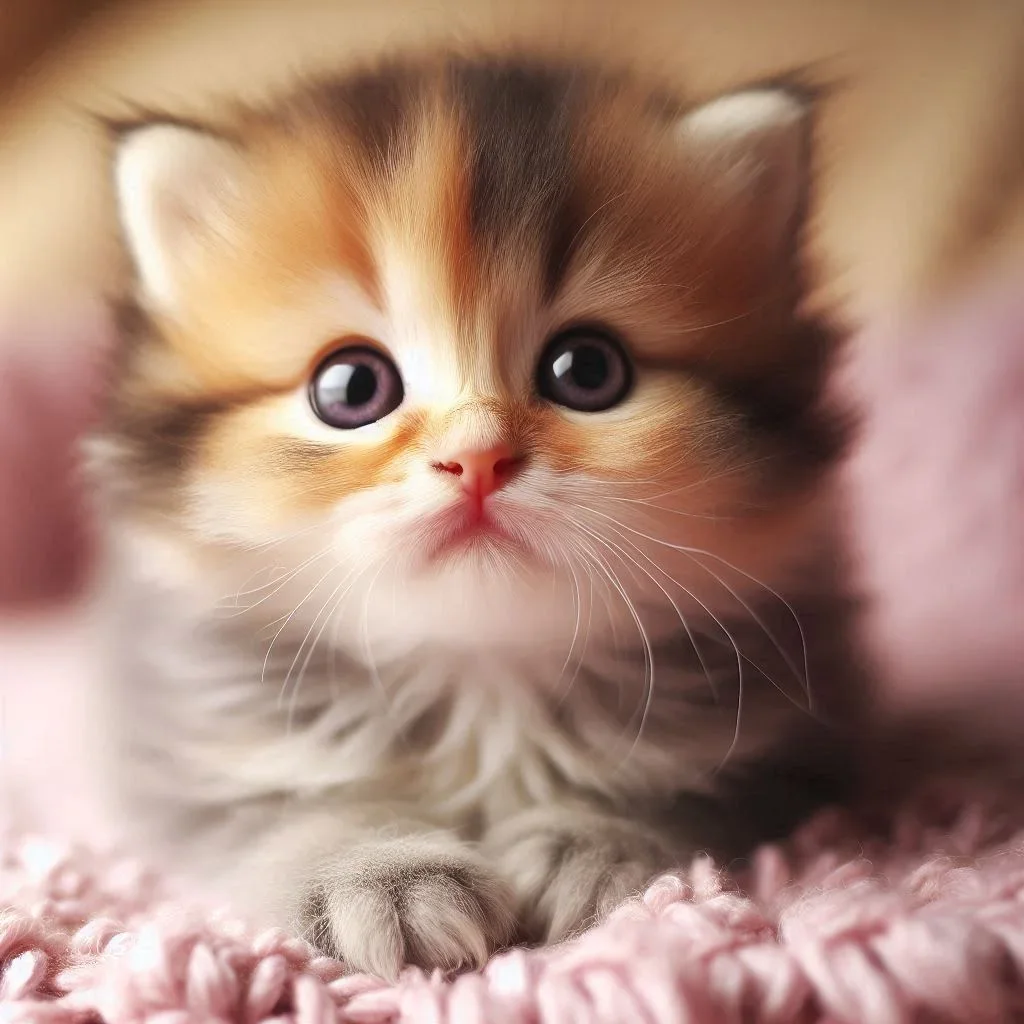
Cat Breeds Stay Playful Cute
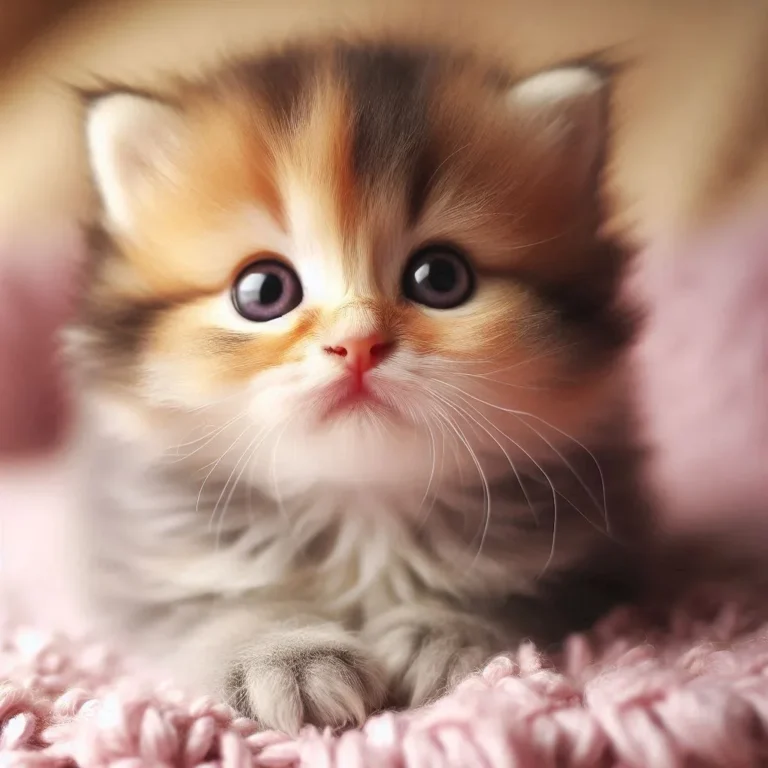
When it comes to bringing home a feline companion, many owners look for a pet that combines endless curiosity with irresistible charm. Cat Breeds That Stay Playful and Cute are especially sought after because they keep households lively while providing nonstop affection. From young kittens to senior cats, these breeds retain kitten‑like energy well into adulthood, making them perfect for families, busy professionals, and anyone who enjoys interactive pets. In this guide we’ll explore why these breeds maintain such youthful vigor, highlight the top playful and cute selections, and offer practical advice for nurturing that spark throughout your cat’s life.
Why Playful Cats Thrive
Playfulness is more than a cute quirk; it reflects a healthy brain, strong muscles, and a well‑balanced temperament. Research from the Cornell University College of Veterinary Medicine shows that regular play reduces stress hormones and promotes longevity in cats (Cornell Feline Health). Additionally, interactive play mirrors natural hunting behaviors, satisfying instinctual needs that, if ignored, can lead to behavioral issues such as aggression or excessive vocalization.
Top Playful and Cute Breeds
Below is a curated list of breeds known for retaining a jubilant spirit throughout their lives. While individual personalities vary, these cats consistently rank high in surveys from the International Cat Association and cat‑loving communities.
- Birman – Often called the “Sacred Cat,” Birmans combine a plush coat with a gentle, inquisitive demeanor.
- Siamese – Famous for their vocal nature, Siamese cats are also exceptionally agile and love interactive toys.
- Scottish Fold – Their unique ear folds are matched by a playful, kitten‑like curiosity that endures into senior years.
- Abyssinian – Regarded as one of the most active breeds, Abyssinians love climbing, chasing, and solving puzzle feeders.
- Munchkin – Despite short legs, Munchkins are energetic jumpers and excel at games that involve sudden bursts of speed.
- Ragdoll – While known for their docile nature, Ragdolls also enjoy gentle play sessions and thrive on human interaction.
For more detailed breed histories, you can reference the comprehensive entries on Wikipedia or the American Society for the Prevention of Cruelty to Animals (ASPCA Cat Breeds).
Health Benefits of an Active Cat
Keeping a cat engaged in regular play isn’t just entertaining; it has measurable health advantages. Active cats tend to maintain a healthy weight, reducing the risk of diabetes—a concern highlighted by the National Institute of Diabetes and Digestive and Kidney Diseases. Moreover, mental stimulation helps stave off age‑related cognitive decline, a phenomenon documented in scientific studies from the University of Pennsylvania’s School of Veterinary Medicine.
Regular play also strengthens the heart and improves circulation. A short daily session of feather wand chasing or laser pointer hunting can raise a cat’s heart rate to a moderate level, akin to light exercise for humans. This routine, paired with a balanced diet, supports a vibrant, long‑lived cat.
Tips to Keep Your Cat Playful
Even the most energetic breeds can become sedentary without proper encouragement. Here are evidence‑based strategies to maintain that playful spark:
- Rotate toys regularly. Cats quickly lose interest in static items. Introducing a new feather wand, ball, or puzzle feeder every few days rekindles curiosity.
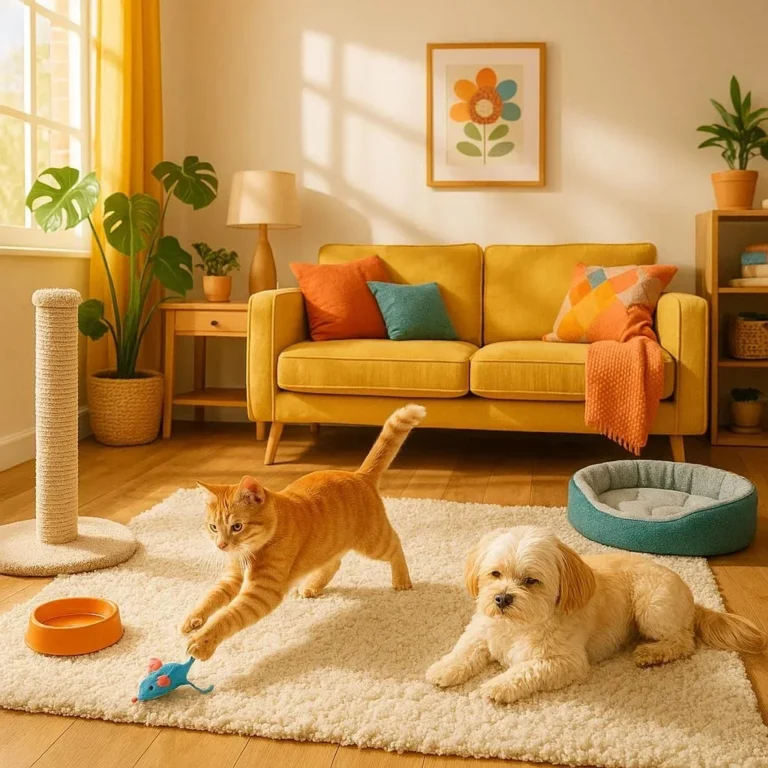
- Use vertical spaces. Install cat trees, shelves, or wall‑mounted climbing structures. Vertical play mimics natural hunting perches and provides safe outlets for leaping.
- Schedule short, frequent sessions. Five‑minute bursts of interactive play two to three times daily are more effective than a single, long session.
- Incorporate food puzzles. Treat‑dispensing toys stimulate problem‑solving skills and encourage movement.
- Engage in training. Simple commands like “sit” or “high five” using clicker training keep the brain active and strengthen the human‑cat bond.
Consistency is key. Cats thrive on routine, and a predictable play schedule enhances confidence and reduces anxiety.
Choosing the Right Breed for Your Lifestyle
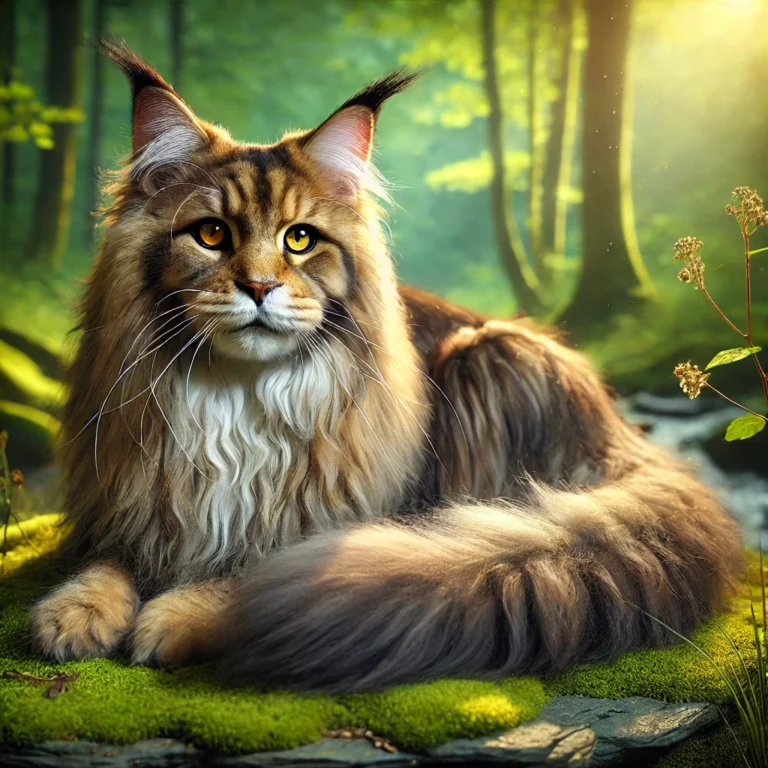
Before adopting, assess your living environment, time commitment, and activity level. Urban apartment dwellers may prefer compact, adaptable breeds such as the British Shorthair, whereas households with children often benefit from the robust, sociable nature of the Maine Coon. If you work long hours, a breed that enjoys independent play—like the Russian Blue—might be ideal.
Remember that personality can differ widely even within a breed. Visiting shelters and spending time with cats before adoption helps you gauge compatibility. Many rescue organizations label cats as “kitten‑like” or “playful,” indicating they belong to the Cat Breeds That Stay Playful and Cute category.
Conclusion: Embrace the Joy of Playful Companionship
Choosing a cat from the group of Cat Breeds That Stay Playful and Cute ensures a lifetime of laughter, affection, and energetic fun. These breeds not only brighten your home with their antics but also promote better health for both pet and owner. Start your journey today—research the breeds listed, plan an engaging play routine, and give a lively feline a forever home. Ready to adopt a playful, cute cat? Explore local shelters or reputable breeders now and experience the endless delight that comes with a forever‑young companion.
Frequently Asked Questions
Q1. What makes certain cat breeds stay playful into adulthood?
These breeds have a naturally high energy level and a strong predatory instinct that stays active throughout their lives. Genetics play a role, and many have been selectively bred for curiosity and agility. Regular mental and physical stimulation also helps maintain their kitten‑like behavior.
Q2. Are playful cats more prone to health problems?
Generally, active cats are healthier because play helps control weight and supports cardiovascular fitness. However, they may be more prone to minor injuries like sprains if they jump from high places. Regular veterinary check‑ups and safe play environments reduce any risks.
Q3. How often should I play with my cat?
Short, frequent sessions work best—about five minutes, two to three times a day. This mirrors a cat’s natural hunting bursts and keeps them engaged without overstimulation. Adjust the frequency based on your cat’s age and energy level.
Q4. Which toys are best for keeping playful breeds entertained?
Interactive toys such as feather wands, laser pointers, and puzzle feeders are excellent. Rotate toys every few days to prevent boredom. Adding vertical climbing structures like cat trees also encourages active play.
Q5. Can an indoor cat be as playful as an outdoor cat?
Yes, with enough enrichment. Providing varied toys, climbing space, and regular interactive sessions can satisfy a cat’s hunting instincts. Enriching the indoor environment mimics outdoor challenges and keeps the cat lively.