Adorable Indoor Cute Small Pets
Living in a compact apartment or a bustling house doesn’t mean you have to give up the joy of pet ownership. Cute Small Pets That Love Indoor Life thrive in environments where they receive daily interaction, safe spaces, and consistent care. From the soft‑fur rabbit that hops around a living‑room rug to the curious hedgehog that explores a tiny tunnel, these petite companions are perfectly suited for indoor living. In this guide we’ll explore why indoor‑only pets are a smart choice for modern homes, highlight the most beloved species, and provide practical tips on health, enrichment, and home‑setup, ensuring every small pet enjoys a happy, healthy life inside your walls.
Why Choose Indoor‑Only Pets?
Keeping a pet exclusively indoors offers several advantages for both the animal and the owner. First, indoor environments protect pets from predators, traffic, extreme weather, and parasites that are common outdoors. Second, a controlled indoor setting makes it easier to monitor diet, medical needs, and behavior, which is especially important for low‑maintenance pets that still require attentive care. Finally, small apartments and city dwellers often lack the outdoor space needed for larger breeds, making small apartment pets a logical and compassionate solution.
Top Cute Small Pets for the Home
Below is a curated list of species that consistently rank as the most popular Cute Small Pets That Love Indoor Life. Each animal is compact, adaptable, and capable of forming strong bonds with their humans.
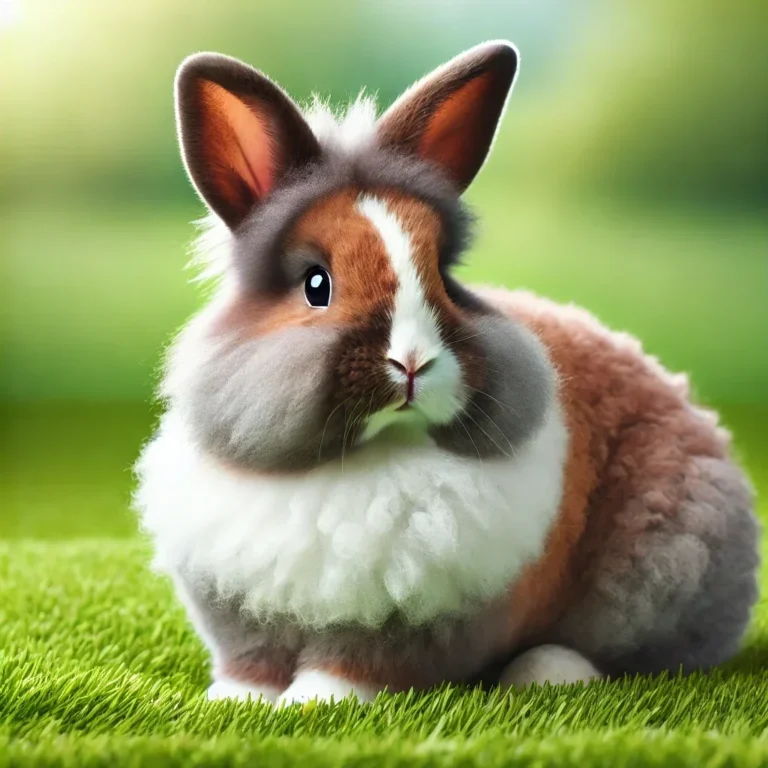
- Domesticated rabbit – Soft fur, gentle temperament, and a natural tendency to use a litter box make rabbits ideal indoor companions. They enjoy gentle handling and benefit from daily exercise outside a secure pen.
- Guinea pig – Known for their expressive squeaks, guinea pigs thrive on social interaction and a diet rich in vitamin C. Their short stature and quiet nature suit shared living spaces.
- African dwarf hedgehog – These nocturnal critters love exploring tunnels and hiding places. Their spiny coats are harmless to humans, and they require minimal space when provided with a proper hideout.
- Ferret – Playful, curious, and highly social, ferrets love to burrow and chase toys. Their energetic nature means they need regular supervised playtime on a safe, ferret‑proofed floor.
- Fancy mouse – Small, agile, and surprisingly affectionate, fancy mice are excellent for owners who enjoy observation. They thrive in vertical cages that mimic their natural climbing behavior.
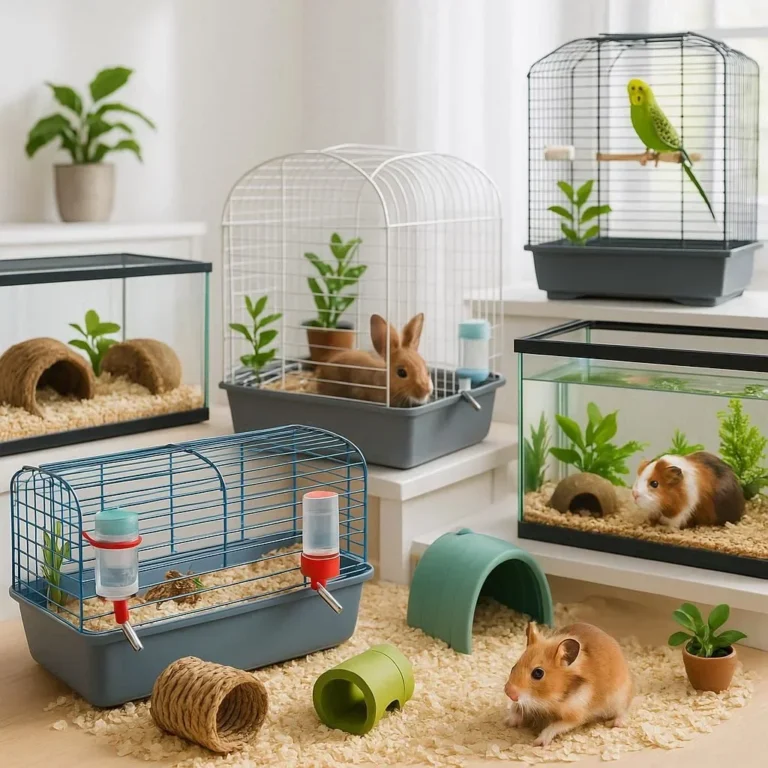
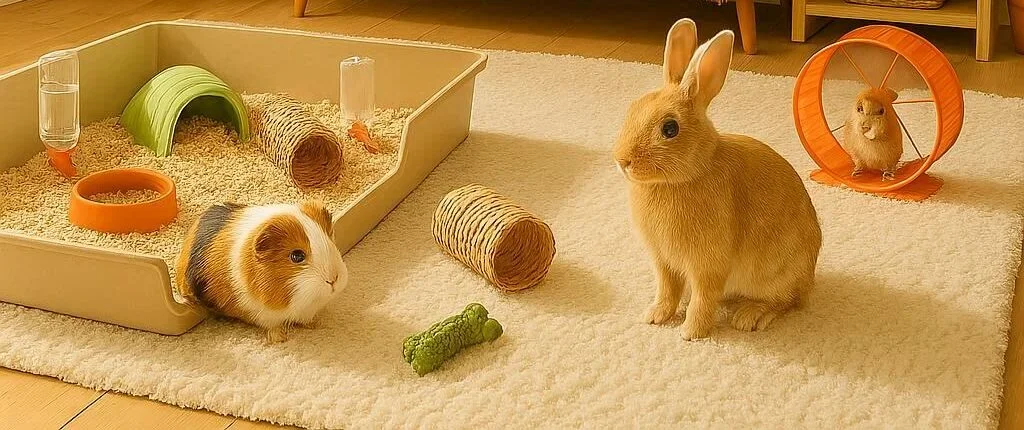
Each of these species fits comfortably within a typical living‑room, bedroom, or dedicated pet nook, provided you allocate space for a secure enclosure, bedding, and enrichment items.
Essential Care Tips for Indoor Pets
Even the most independent‑looking small pet requires consistent indoor pet care to flourish. Below are universal guidelines that apply to most of the animals listed above.
Nutrition and Hydration
Offer a species‑specific diet that meets all vitamin and mineral requirements. For example, rabbits need unlimited hay, fresh leafy greens, and a small portion of pellets; guinea pigs require vitamin C‑rich foods like bell peppers and kale; hedgehogs thrive on high‑protein, low‑fat insectivore diets. Always provide fresh water in a sipper bottle or shallow dish that is cleaned daily.
Health Monitoring
Schedule regular veterinary check‑ups with a practitioner experienced in exotic or small‑animal medicine. Keep a log of weight, appetite, and behavior changes. Early detection of issues such as respiratory infections in rabbits or dental overgrowth in guinea pigs can prevent costly emergencies.
Exercise and Enrichment
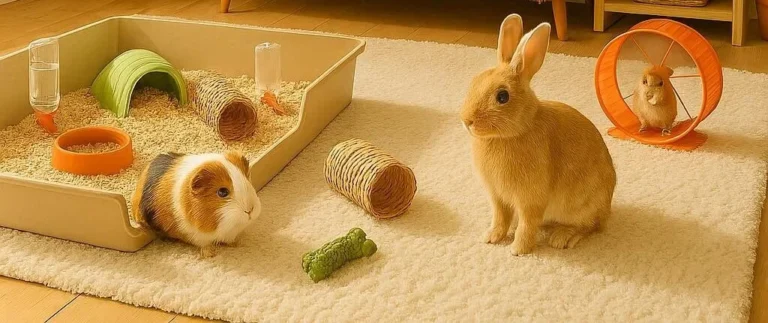
Even indoor‑only pets need physical activity and mental stimulation. Set up a safe play area with tunnels, climbing branches, chew toys, and puzzle feeders. Rotate toys weekly to prevent boredom. Short, supervised “floor time” for ferrets and hedgehogs encourages natural foraging behavior.
Cleaning and Hygiene
Maintain a clean environment by spot‑cleaning cages daily and performing a thorough deep clean weekly. Use pet‑safe disinfectants and replace bedding, litter, and chew toys regularly. Good hygiene reduces the risk of odor buildup and disease transmission.
Creating a Pet‑Friendly Indoor Environment
Designing a space that meets the needs of small indoor pets involves more than just a cage. Consider these factors when adapting your home.
- Safety first: Secure cords, houseplants, and small objects that could be chewed or swallowed. Many indoor pets are curious and may explore beyond their enclosure.
- Temperature control: Most small mammals thrive at 65‑75°F (18‑24°C). Avoid drafts and direct sunlight, especially for hedgehogs, which are sensitive to overheating.
- Lighting: Provide a natural day/night cycle using full‑spectrum bulbs if natural light is limited. Adequate lighting supports circadian rhythms for rabbits and guinea pigs.
- Sound buffering: While many small pets are not noise‑sensitive, loud household sounds can stress animals like ferrets. Soft background music or white noise can create a calmer environment.
In addition to the physical setup, incorporate routine interaction. Gentle handling, petting, and speaking softly help build trust. Remember that each species has unique social needs—some, like guinea pigs, flourish in pairs, while others, like ferrets, may prefer a single, highly social companion.
Frequently Asked Questions
Can I keep more than one small pet? Yes, many species benefit from companionship. Pairing guinea pigs or providing a bonded ferret duo can reduce loneliness, provided you have adequate space.
Do these pets need outdoor time? No, the goal is to keep them safe indoors. However, a supervised “free‑range” session in a pet‑proofed room mimics natural exploration and improves wellbeing.
What’s the average lifespan? Rabbits can live 8‑12 years with proper care; guinea pigs 4‑6 years; hedgehogs 3‑5 years; ferrets 6‑10 years; fancy mice 1‑3 years. Lifespan expectations influence long‑term commitment.
Conclusion
Choosing the right Cute Small Pets That Love Indoor Life can transform a modest living space into a vibrant, joyful home. By selecting a species that matches your lifestyle, providing attentive indoor pet care, and creating a safe, stimulating environment, you’ll enjoy years of companionship without the hassles that outdoor exposure can bring. Ready to welcome a tiny, loving friend into your home? Explore our recommended pet supplies, set up a cozy habitat today, and give your new indoor companion the life it deserves!
Frequently Asked Questions
Q1. How much space does a small indoor pet need?
Even the tiniest pet requires a safe, escape‑proof area. A rabbit or guinea pig should have a minimum cage of 24×12 inches, plus daily supervised floor time. Ferrets and hedgehogs need a larger playpen to explore safely.
Q2. Can I keep these pets in a shared apartment?
Yes, most cute small pets thrive in apartments. Choose quiet species, keep cages away from windows, and use low‑odor bedding. Regular cleaning helps maintain good neighbors relationships.
Q3. What diet is best for each pet?
Rabbits eat unlimited hay, fresh greens, and limited pellets. Guinea pigs need hay, vitamin C‑rich veggies, and fortified pellets. Hedgehogs require high‑protein insectivore food, while ferrets need meat‑based diets and occasional treats.
Q4. How often should I clean the cage?
Spot‑clean daily—remove soiled bedding and uneaten food. Perform a full clean weekly: replace all bedding, scrub surfaces with a pet‑safe disinfectant, and rinse thoroughly before adding fresh material.
Q5. Do these pets need a veterinarian?
Regular check‑ups are essential. Find a vet experienced with exotic or small‑animal medicine. Early health monitoring can catch issues like dental overgrowth in guinea pigs or respiratory problems in rabbits.