Small Companion Pets for Serenity
When the hustle of daily life feels overwhelming, many families turn to Small Companion Pets as a gentle solution for fostering calm and connection. These modest creatures—ranging from tiny rodents to colorful fish—offer the soothing presence of a pet without the space, noise, or intensive care requirements of larger animals. In this guide, we explore the best low‑maintenance, quiet pets that thrive in indoor environments, how they support mental well‑being, and practical tips for creating a harmonious home for both humans and their new companions.
Why Choose Small Companion Pets?
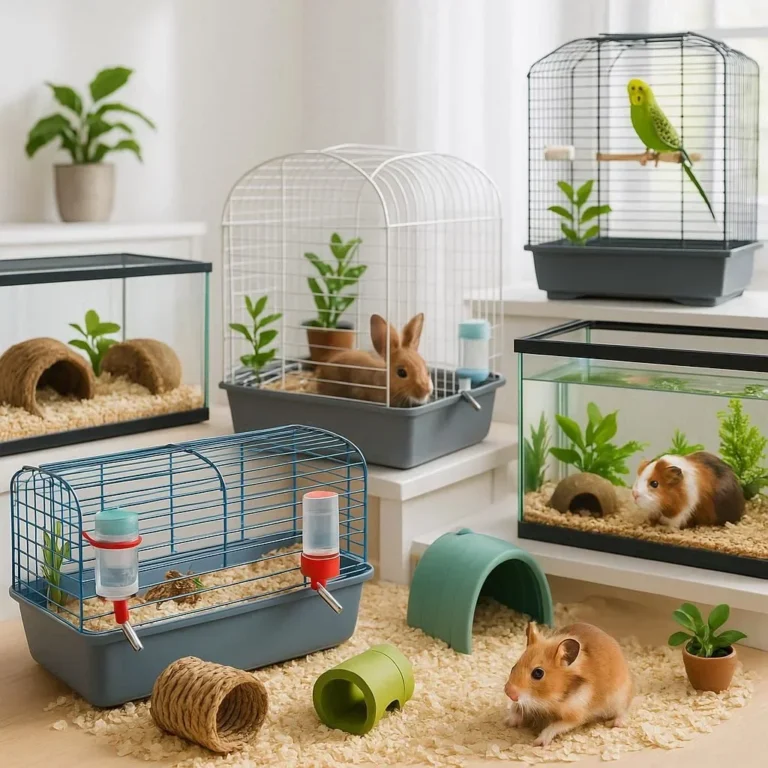
Small Companion Pets are uniquely suited for peaceful homes for several reasons. First, their size means they require modest living spaces, often fitting comfortably on a tabletop or within a compact cage. Second, species such as hamsters, bettas, or dwarf rabbits typically produce minimal noise, preserving the tranquility of your living area. Third, caring for these pets can become a mindful routine, encouraging daily moments of calm that contribute to reduced stress and improved focus—a benefit supported by pet therapy research. Finally, many small pets have relatively short lifespans, allowing owners to experience the joys of companionship without long‑term commitments, which can be ideal for renters or busy professionals.
Top Small Companion Pets for a Calm Household
Below is a curated list of five pets that consistently rank high for being low‑maintenance, indoor‑friendly, and especially quiet. Each entry includes essential care considerations to help you decide which fits best with your lifestyle.
- Betta Fish – Known for their vibrant fins, bettas thrive in simple aquarium setups and require feeding only once daily. Their calming presence is often highlighted in Betta fish articles.
- Guinea Pig – These gentle rodents are social, quiet, and enjoy gentle handling. A spacious cage with fresh hay and a balanced diet keeps them healthy. Learn more about their care on the Guinea pig Wikipedia page.
- Dwarf Rabbit – With a calm demeanor and soft fur, dwarf rabbits are perfect for indoor living. They need a litter box, daily exercise, and regular grooming. See detailed guidance from ASPCA Rabbit Care.
- Fancy Mouse – Small, inquisitive, and quiet, fancy mice require a secure cage, fresh bedding, and an occasional treat. Their brief lifespan encourages responsible pet ownership.
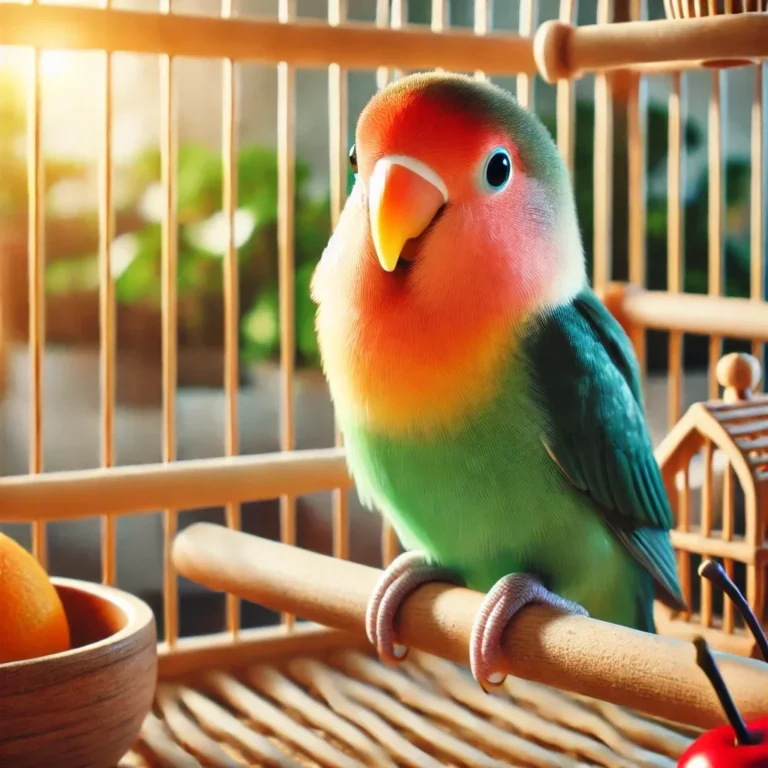
- Parakeet (Budgie) – While slightly more vocal, budgies can be trained to speak softly and can provide gentle background chirps that many find soothing. Their care basics are outlined by the Avian Life Center.
Creating a Peaceful Habitat
Ensuring a stress‑free environment for both your pet and household members involves thoughtful setup and routine. Below are three essential steps to establish a tranquil habitat:
- Choose the Right Location: Place cages, tanks, or enclosures away from high‑traffic areas, direct sunlight, and drafts. A quiet corner near a window can provide natural light without excessive disturbances.
- Maintain Consistent Cleaning: Regularly remove waste, replace water, and sanitize surfaces to prevent odors and health issues. A weekly schedule, such as “clean day” every Saturday, helps maintain order without becoming a chore.
- Establish Predictable Routines: Feed your pet at the same times each day, and incorporate short interaction periods—like gentle hand‑taming for a rabbit or watching a fish glide—into your daily schedule. Predictability reduces anxiety for both animals and owners.
Health and Safety Tips
Even low‑maintenance pets require attentive care to stay healthy. Keep these guidelines in mind to avoid common pitfalls:
- Nutrition: Provide species‑specific diets—high‑quality pellets for bettas, fresh vegetables for guinea pigs, and alfalfa hay for rabbits. Avoid over‑feeding treats, which can lead to obesity.
- Veterinary Care: Schedule an annual check‑up with a veterinarian experienced in small animals. Early detection of issues like respiratory infections in rabbits or fin rot in fish can prevent serious complications.
- Environmental Enrichment: Offer toys, tunnels, or perches appropriate to each species. Enrichment reduces boredom and promotes natural behaviors, thereby enhancing overall well‑being.
Integrating Pets Into Family Life
Small Companion Pets can become beloved members of the family, teaching children responsibility and empathy. When involving children, ensure supervision during handling, especially with delicate animals like bettas or rabbits. Establish clear rules—such as washing hands before and after contact—to maintain hygiene and protect both pet and person.
Conclusion
Choosing the right Small Companion Pets can transform a hectic household into a sanctuary of calm and connection. By selecting quiet, low‑maintenance species, creating thoughtful habitats, and committing to consistent care, you’ll experience the subtle yet profound benefits of pet companionship—enhanced mood, reduced stress, and a renewed sense of purpose. Ready to bring serenity home?
Frequently Asked Questions
Q1. What are the benefits of having Small Companion Pets for mental health?
Small Companion Pets provide gentle, non‑intrusive interaction that can lower stress hormones and boost mood. Their routine care encourages mindfulness and a sense of responsibility. Research shows that even brief daily contact with small animals can improve focus and reduce anxiety.
Q2. How much space does a betta fish need?
A betta thrives in a tank of at least 2.5 gallons (about 9.5 L). Provide a lid to prevent jumps and add gentle decorations without overcrowding. Proper space promotes healthier fins and reduces aggression.
Q3. Are dwarf rabbits suitable for apartment living?
Yes, dwarf rabbits adapt well to apartments when given a safe enclosure, a litter box, and daily supervised playtime. Ensure the space is bunny‑proofed and offers enrichment like tunnels and chew toys. Regular grooming and gentle handling keep them calm and happy.
Q4. How often should I clean a guinea pig cage?
Spot‑clean daily to remove soiled bedding and uneaten food. Perform a full deep clean once a week, replacing all bedding and sanitizing surfaces. Consistent cleaning prevents odor buildup and respiratory issues.
Q5. Can children safely interact with fancy mice?
Children can interact safely if they are taught gentle handling and supervision is always present. Small, delicate mice should be held with cupped hands to avoid injury. Teach kids to wash hands before and after contact to maintain hygiene for both.