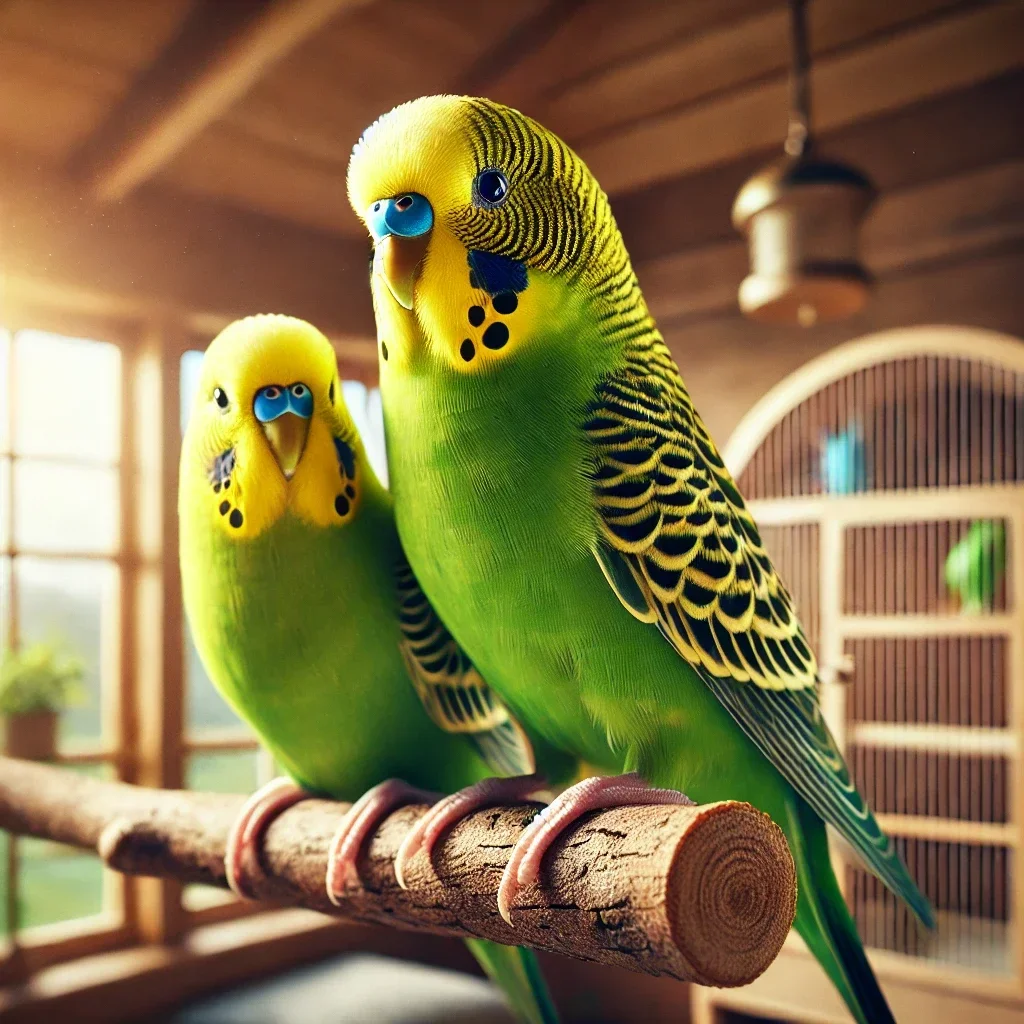
Rare Colorful Birds as Pets
Keeping rare colorful birds as pets is a dream for many bird enthusiasts, but the responsibility that comes with these spectacular companions is often underestimated. These avian beauties demand specialized avian care, a thorough understanding of bird welfare, and compliance with legal pet bird ownership regulations. In this guide we explore some of the most striking species that are kept as pets, outline their unique needs, and provide practical advice for prospective owners.
Why Choose Rare Colorful Birds?
Rare colorful birds captivate us with their vivid plumage, charismatic personalities, and impressive intelligence. Unlike more common pet birds, such as budgerigars or cockatiels, these species often possess a combination of size, intelligence, and striking hues that make them true conversation pieces. However, their rarity also means that they can be harder to source ethically, may require permits, and usually need a higher level of commitment.
Top Five Rare Colorful Species Suitable for Home Life
Below is a curated list of five rare colorful birds that are successfully kept as pets when their owners meet the stringent care standards each species demands.
- Hyacinth Macaw – The world’s largest flying parrot, renowned for its deep blue feathers and bright yellow rings around the eyes. Native to Brazil, it can live up to 60 years in captivity. Hyacinth macaw
- Spix’s Macaw – Often called the “Little Blue” due to its sky‑blue body, this species is critically endangered in the wild but has a growing captive breeding program. Spix’s macaw
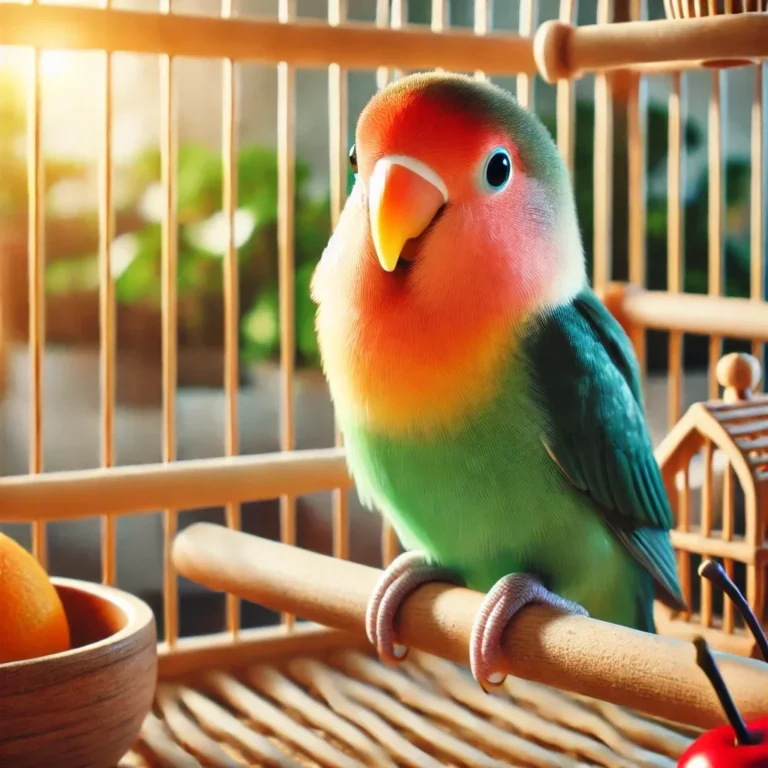
- Rainbow Lorikeet – A small yet flamboyant lorikeet with a kaleidoscope of colors across its chest, wings, and tail. Known for its playful nature and nectar‑drinking habits. Rainbow lorikeet
- Major Mitchell’s Cockatoo – Also called the pink cockatoo, it sports a bright pink crest and salmon‑colored cheeks that flare dramatically when excited.
- Eclectus Parrot – Males flaunt a striking emerald green, while females display vivid red and purple, making the species a living example of sexual dimorphism. Eclectus parrot
Each of these birds offers a unique blend of color, personality, and intelligence, but they also share common requirements that any responsible owner must fulfill.
Essential Avian Care Requirements
Providing proper avian care is the cornerstone of any successful pet‑bird relationship. Below are the key elements you must address for rare colorful birds.
- Space and Enclosure: Large flight‑enclosed aviaries are mandatory. A Hyacinth macaw, for example, needs a minimum of 12 ft of horizontal flight space. Smaller species like the Rainbow lorikeet still require a cage at least 24 in wide and 30 in tall, plus daily out‑of‑cage time.
- Dietary Needs: These birds are generally frugivorous or nectarivorous. A balanced diet includes fresh fruit, vegetables, high‑quality pellet, and, for lorikeets, a specialized nectar substitute. Calcium supplementation is critical to prevent metabolic bone disease.
- Social Interaction: Rare colorful birds are highly social. They thrive on mental stimulation through toys, foraging puzzles, and regular human interaction. Lack of enrichment can lead to feather‑plucking and self‑injury.
- Health Monitoring: Routine veterinary check‑ups with an avian‑qualified veterinarian are non‑negotiable. Common health concerns include psittacine beak and feather disease, respiratory infections, and vitamin A deficiency.
- Legal Considerations: Many jurisdictions require permits for ownership of exotic pet birds. The U.S. Fish and Wildlife Service provides guidance on permits and import restrictions. USFWS bird regulations
Challenges Specific to Each Species
Understanding species‑specific challenges helps you decide which rare colorful bird aligns best with your lifestyle.
Hyacinth Macaw
These gentle giants need a diet rich in nuts and seeds, which can be costly. Their loud calls can be a nuisance in apartment settings, and they require a strong, reinforced cage to prevent damage.
Spix’s Macaw
Because the species is critically endangered, acquisition is typically limited to those participating in certified breeding programs. They are sensitive to stress and need a calm environment with minimal sudden changes.
Rainbow Lorikeet
Their high metabolic rate means they must eat frequently throughout the day. They are also prone to obesity if over‑fed, so portion control is essential.
Major Mitchell’s Cockatoo
Known for their loud, screeching vocalizations during breeding season, these cockatoos also develop a strong chewing habit, necessitating plenty of safe chew toys to protect household items.
Eclectus Parrot
Sexual dimorphism means owners must be prepared for the distinct needs of males and females. Females are more prone to egg‑binding, requiring careful monitoring of reproductive health.
Making an Informed Decision
Before bringing any rare colorful bird into your home, conduct thorough research and consider the following checklist:
- Confirm that you can meet the species’ spatial and dietary requirements.
- Verify the legality of ownership in your city, state, or country.
- Identify a reputable breeder or rescue organization that follows ethical practices.
- Arrange a partnership with an avian‑specialized veterinarian.
- Plan for a long‑term financial commitment; many of these birds live for several decades.
By completing this due diligence, you increase the likelihood of a successful, rewarding relationship with your feathered companion.
Conclusion
Rare colorful birds make extraordinary pets when owners are prepared to invest the time, money, and expertise needed for their care. From the striking blue of the Hyacinth macaw to the playful chatter of the Rainbow lorikeet, each species offers a unique window into the vibrant world of avian diversity. Remember, responsible ownership begins with education, legal compliance, and a commitment to the highest standards of bird welfare.
Ready to welcome a rare colorful bird into your family? Explore reputable avian rescue groups and start your journey toward a lifelong partnership with one of nature’s most dazzling creations today.
Frequently Asked Questions
Q1. What legal permits are needed for rare colorful birds?
Ownership of many exotic birds requires a federal or state permit, often issued by wildlife agencies. Check with the U.S. Fish and Wildlife Service or your local authority before purchasing. Failure to obtain the correct paperwork can result in fines or confiscation.
Q2. How much space does a Hyacinth macaw need?
A Hyacinth macaw should have at least 12 ft of horizontal flight space and a large, reinforced cage. Daily out‑of‑cage time in a safe room is essential for physical and mental health. Smaller enclosures can lead to stress and destructive behavior.
Q3. What does a proper diet for a Rainbow lorikeet look like?
Rainbow lorikeets thrive on a specialized nectar substitute, fresh fruit, and vegetables. They need to eat several small meals throughout the day to match their high metabolism. Avoid seed‑only diets, which can cause nutritional deficiencies.
Q4. How often should I take my exotic bird to an avian vet?
Schedule a health check‑up at least once a year, and more often if you notice changes in appetite, feather condition, or behavior. An avian‑qualified veterinarian can screen for common diseases like PBFD and vitamin A deficiency. Early detection greatly improves treatment outcomes.
Q5. Can rare colorful birds live happily without other birds?
Many species are highly social and benefit from interaction with their owners or compatible companions. While single birds can thrive with ample human engagement and enrichment, introducing another bird should be done carefully to avoid aggression. Provide toys, foraging puzzles, and regular out‑of‑cage time to meet their social needs.