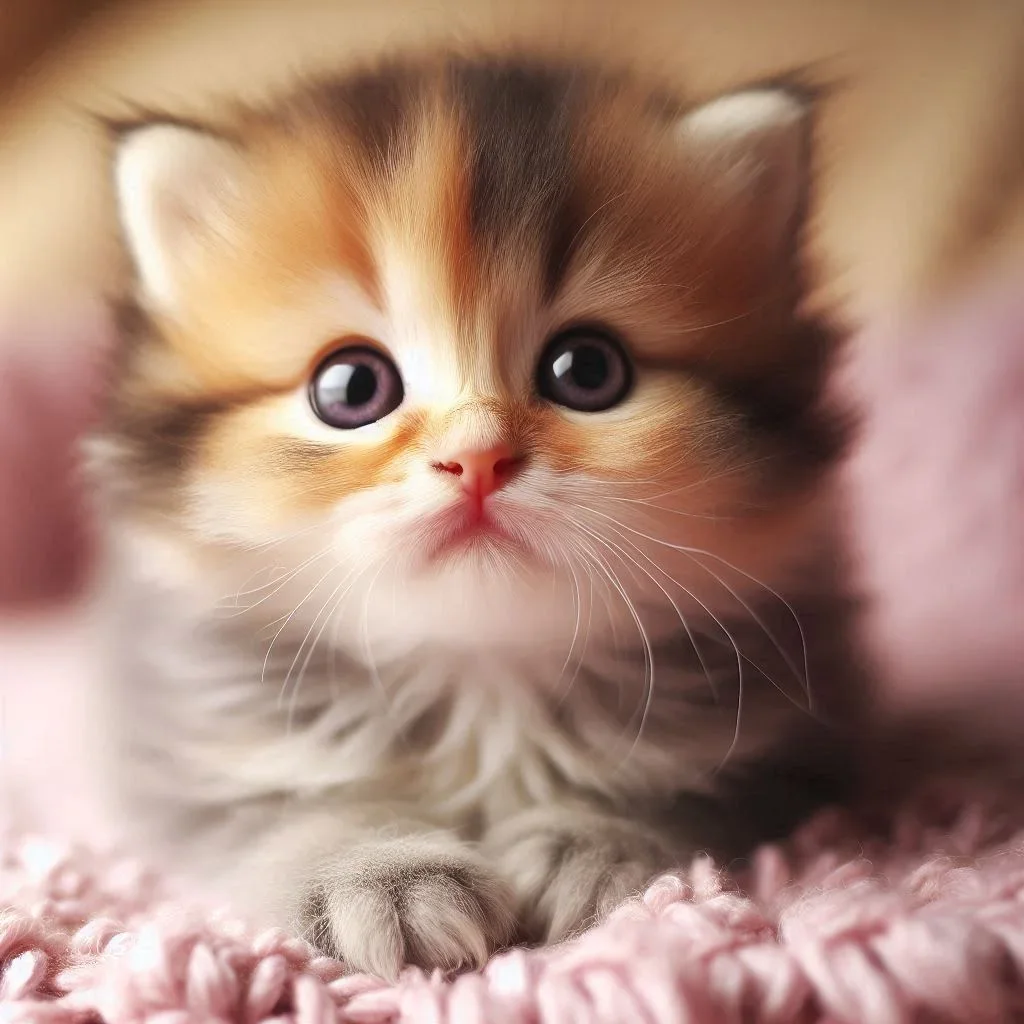
Harming Cat Breeds Today
When people talk about harming cat breeds with cute personalities, they often overlook how everyday choices can unintentionally diminish the health and well‑being of these beloved felines. From selective breeding to unsafe environments, the risks are real and documented. Understanding these pitfalls is the first step toward protecting cats that capture our hearts with their playful, affectionate natures.
Why Cute Personality Doesn’t Equal Immunity
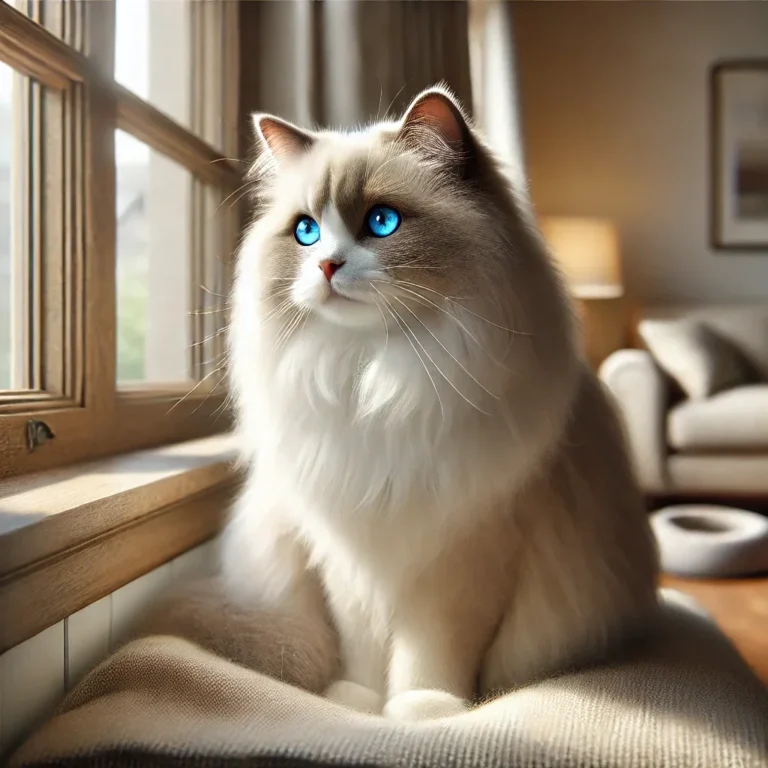
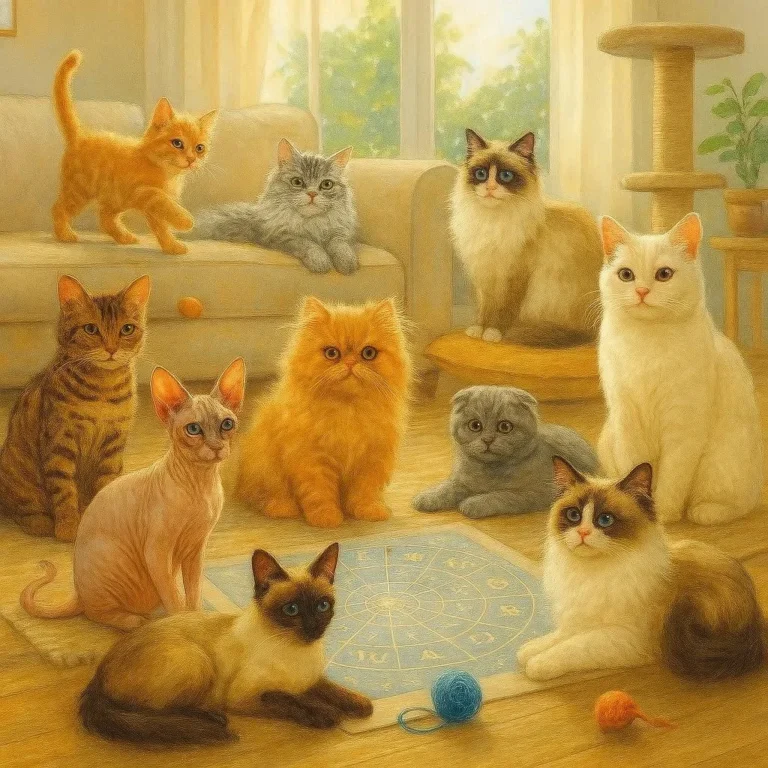
Breeds such as the Persian, Ragdoll, Maine Coon, and Scottish Fold are celebrated for their gentle, cuddly dispositions. Yet their very popularity fuels practices that can be harmful. According to the ASPCA, over‑breeding and inadequate health screening increase the prevalence of genetic disorders, contradicting the notion that a cute temperament safeguards a cat’s health.
Selective Breeding and Genetic Disorders
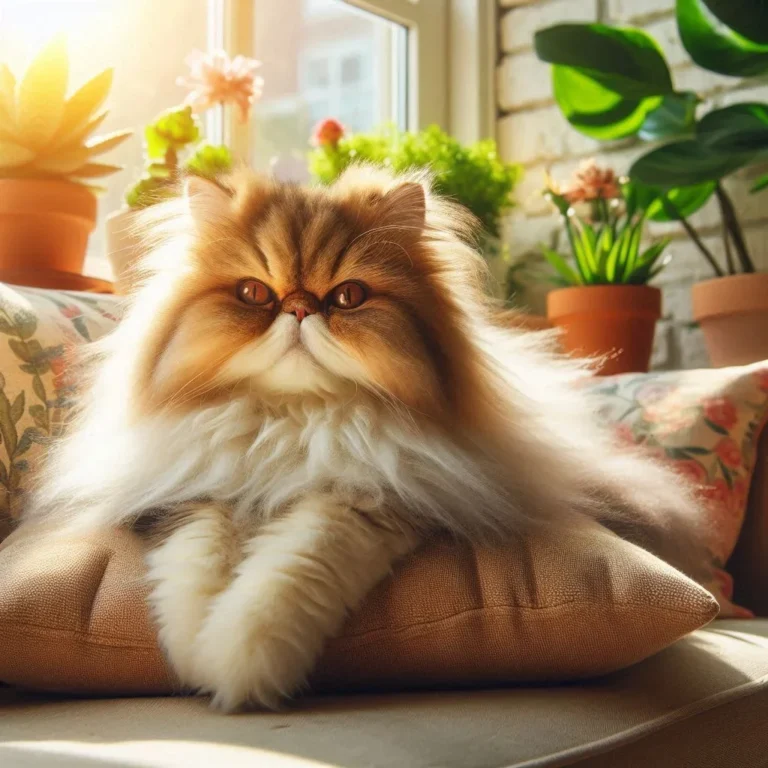
Selective breeding aims to accentuate desirable traits—flat faces, long fur, or docile temperaments—but often neglects the hidden cost to genetic health. For example, the Persian’s characteristic brachycephalic skull leads to breathing difficulties and eye problems, while the Scottish Fold’s folded ears are linked to a painful cartilage disorder called osteochondrodysplasia. The Wikipedia entry on genetic disorders explains how such traits can propagate in a population when breeders prioritize appearance over health.
Environmental Hazards That Undermine Temperament
A cat’s sweet demeanor can mask the stress caused by unsafe surroundings. Common household hazards—open windows without screens, toxic houseplants, and improper litter boxes—can trigger anxiety, urinary issues, and even aggression. The U.S. Department of Agriculture’s Animal and Plant Health Inspection Service notes that environmental enrichment and safe spaces are essential for maintaining a cat’s calm personality.
Misconceptions About Diet and Health
Owners often feed their cute‑tempered cats cheap, low‑quality kibble, believing that a pleasant personality means the cat will thrive regardless. In reality, poor nutrition contributes to obesity, diabetes, and dental disease—conditions that can blunt a cat’s playful nature. The New York State Department of Agriculture & Markets provides guidelines emphasizing protein‑rich diets for felines.
Responsible Ownership: A Checklist
- Research breeding practices: Choose cats from reputable breeders who screen for hereditary conditions.
- Secure the home environment: Install window screens, remove toxic plants, and provide multiple litter boxes.
- Prioritize nutrition: Feed high‑quality, age‑appropriate food and monitor weight.
- Provide mental stimulation: Use puzzle feeders, climbing trees, and interactive toys to keep temperament lively.
- Schedule regular veterinary care: Early detection of health issues protects both body and personality.
Case Studies: Breeds at Risk
Persian Cats – Known for their plush coats and serene demeanor, Persians often suffer from polycystic kidney disease (PKD). A study by the University of Pennsylvania’s School of Veterinary Medicine (UPenn Vet School) found that up to 38% of Persian cats carry the PKD gene.
Ragdoll Cats – Their floppy, docile nature makes them popular, yet they are prone to hypertrophic cardiomyopathy (HCM), a heart condition that can be fatal without early intervention. The American College of Cardiology highlights HCM as the most common cardiac disease in domestic cats.
Maine Coon Cats – Their large size and friendly temperament can conceal hip dysplasia and spinal muscular atrophy. Researchers at Cornell University’s College of Veterinary Medicine (Cornell Vet) stress the importance of genetic testing for Maine Coons.
Future Directions: Ethical Breeding and Public Awareness
The cat‑loving community can reduce harming cat breeds by advocating for stricter breeding standards and educating prospective owners. Organizations such as the The International Cat Association are developing breed‑specific health testing protocols. By supporting these efforts, we help ensure that cute personalities remain a source of joy rather than a symptom of hidden suffering.
Conclusion: Protect Their Cuteness, Protect Their Health
Every affectionate purr and gentle head‑butt should remind us that a cat’s lovable temperament does not shield it from harm. By recognizing the links between breeding choices, environment, diet, and health, we can stop unintentionally harming cat breeds with cute personalities. Take action today: choose reputable breeders, create a safe home, feed responsibly, and schedule regular vet visits. Your commitment safeguards both the heart‑warming charm and the long‑term well‑being of these cherished companions.
Ready to make a difference? Adopt a rescued cat from a shelter that prioritizes health screenings, and enjoy the genuine love of a feline whose personality shines without hidden risks.
Frequently Asked Questions
Q1. What does “harming cat breeds” mean?
The term refers to practices that unintentionally damage the health of cats, especially popular breeds with gentle personalities. It includes over‑breeding, ignoring genetic testing, unsafe environments, and poor nutrition. Recognizing these factors helps owners protect their feline companions.
Q2. How does selective breeding lead to genetic disorders?
Breeders often prioritize physical traits like flat faces or long fur, which can be linked to inherited conditions. When health screening is skipped, genes for respiratory problems, kidney disease, or cartilage disorders spread through the population. Ethical breeding programs require genetic testing to break this cycle.
Q3. What household hazards should cat owners avoid?
Open windows without screens, toxic houseplants such as lilies, and improper litter box placement can cause stress, injury, or illness. Small objects that can be swallowed and unsecured cords are also risks. Providing safe spaces, enrichment toys, and regular cleaning reduces these dangers.
Q4. Which diet supports the health of cute‑tempered cats?
High‑quality, protein‑rich cat food formulated for the cat’s life stage is essential. Avoid cheap kibble with excessive fillers that can lead to obesity, diabetes, and dental disease. Consulting a veterinarian for specific dietary needs ensures the cat stays playful and active.
Q5. How can I verify a breeder is ethical?
Look for breeders who perform health screenings for breed‑specific diseases and provide documentation. Reputable breeders are transparent about lineage, allow visits to the cattery, and prioritize the kittens’ well‑being over profit. Membership in organizations such as TICA or CFA is a good indicator of responsible breeding practices.