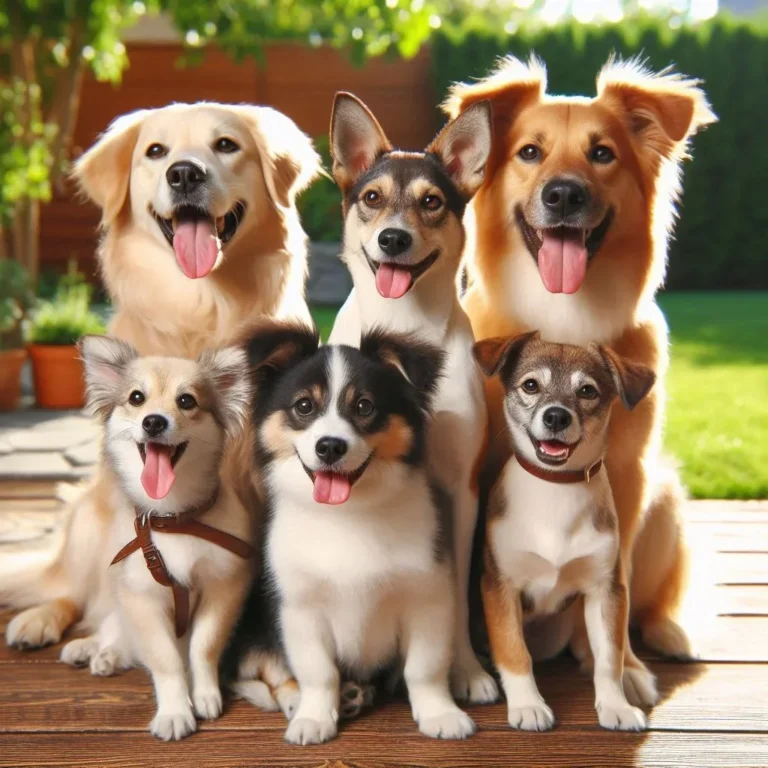
Unique Dog Breeds with Charm
When you browse the world of canine companions, the phrase unique dog breeds instantly conjures images of eye‑catching coats, unconventional shapes, and personalities that set them apart from the more familiar pups. Whether you are a seasoned dog enthusiast searching for a standout addition to your home or a first‑time owner drawn to a photogenic pet, understanding the characteristics that make these breeds truly special is essential. In this guide we explore rare and charming looks, discuss lifestyle compatibility, and provide practical care tips so you can make an informed, confident decision.
Why Unique Dog Breeds Captivate Us
The allure of distinctive appearances goes beyond novelty; it speaks to the deep human desire for individuality and connection. Breeds such as the Thai Ridgeback showcase a striking ridge of hair along their spine, while the Chinese Crested offers a hairless body accented by soft feathered ears and tail. These traits often reflect ancient working functions, genetic adaptations, or deliberate breeding choices that have survived centuries. As a result, owners of these dogs experience a sense of stewardship, preserving a living piece of canine heritage while enjoying a companion with a truly unforgettable look.
Top Unique Dog Breeds to Consider
Below is a curated selection of breeds celebrated for their charming aesthetics and engaging temperaments. Each entry highlights the breed’s hallmark appearance, typical size, and a brief temperament snapshot, supported by reputable sources.
- Thai Ridgeback – Recognizable for the ridge of hair that runs opposite the direction of the rest of the coat, this medium‑sized dog combines a sleek, athletic build with a confident, loyal demeanor. American Kennel Club notes their strong guarding instincts.
- Chinese Crested – Available in both hairless and powder‑puff varieties, this breed boasts a delicate frame, large expressive eyes, and a playful, affectionate nature. The National Center for Biotechnology Information emphasizes their low‑shedding qualities.
- Azawakh – Hailing from the Sahara, the Azawakh displays a slender, almost fox‑like silhouette and a short, fine coat that shimmers in desert sun. Known for speed and stamina, they are gentle with families but retain a strong prey drive.
- Lakeland Terrier – With a dense, wiry coat and a proud, square‑set head, this small companion dog exudes confidence. Their bright, alert eyes and wiry texture make them a favorite among aficionados of rough‑coated terriers.
- Norwegian Lundehund – Perhaps the most anatomically unusual, this breed possesses six toes on each foot, flexible joints, and the ability to bend its head backward to touch its spine. Their quirky look matches an equally curious and energetic personality.
Choosing the Right Breed for Your Lifestyle
While the visual appeal of these rare breeds is undeniable, prospective owners must weigh practical considerations. Rare dog breeds often require specialized grooming, specific health monitoring, or experienced handling. For example, the Thai Ridgeback’s double coat benefits from regular brushing to prevent matting, whereas the Chinese Crested’s skin needs gentle cleaning to avoid irritation. Additionally, activity levels vary widely; the Azawakh thrives on daily runs and open spaces, while the Lakeland Terrier enjoys moderate exercise coupled with mental stimulation. Assessing your living arrangement, daily schedule, and commitment to grooming will help ensure a harmonious match.
Caring for Exotic Canine Features
Maintaining the health and beauty of these exotic canine appearances involves a combination of proper nutrition, routine veterinary care, and breed‑specific grooming routines. Many unique breeds possess delicate skin or coat structures that are more susceptible to parasites or dermatological issues. Regular veterinary check‑ups, ideally with a veterinarian familiar with the breed’s hereditary concerns, are essential. For instance, the Norwegian Lundehund is prone to a condition called patellar luxation; early detection can prevent mobility problems. Moreover, investing in a high‑quality diet enriched with omega‑3 fatty acids supports a glossy coat and reduces inflammation. Grooming tools such as slicker brushes for the Lakeland Terrier or soft cotton pads for the hairless Chinese Crested should be part of your weekly routine.
Celebrating Your Unique Companion
Once you’ve welcomed a distinctive breed into your home, celebrating its individuality can be as simple as sharing photographs on social media or joining breed‑specific clubs. Organizations like the International Dog League host events that showcase rare breeds, offering owners a platform to connect, learn, and advocate for responsible breeding practices. Engaging with a community of fellow enthusiasts not only enhances your dog’s socialization but also keeps you informed about the latest health research and care recommendations.
Ready to add a touch of charm to your life? Explore these unique dog breeds, match one to your lifestyle, and experience the joy of a truly special companion today.
Frequently Asked Questions
Q1. What makes a dog breed considered “unique”?
Unique dog breeds are defined by distinctive physical traits, rare genetic lines, or uncommon histories that set them apart from more common breeds. These can include unusual coat patterns, anatomical features, or specialized functions developed for specific environments. Owners often appreciate these breeds for their individuality and the opportunity to preserve a piece of canine heritage.
Q2. Are unique dog breeds suitable for first‑time owners?
While some rare breeds have friendly temperaments, many require experienced handling, specific grooming, or higher activity levels that can challenge new owners. Prospective owners should research the breed’s health needs, exercise requirements, and grooming demands before deciding. Choosing a breed that matches your lifestyle and commitment level is essential for a successful partnership.
Q3. How much grooming do these exotic breeds typically need?
Grooming needs vary widely; a Thai Ridgeback’s double coat benefits from weekly brushing to prevent matting, whereas a Chinese Crested’s hairless skin requires regular cleaning and moisturizing to avoid irritation. Breeds like the Lakeland Terrier need frequent brushing and occasional trimming to maintain their wiry coat. Establishing a consistent grooming routine helps keep the dog healthy and comfortable.
Q4. What health concerns should I watch for with rare breeds?
Rare breeds can be prone to breed‑specific conditions such as patellar luxation in the Norwegian Lundehund or spinal issues in the Thai Ridgeback. Regular veterinary check‑ups, ideally with a vet knowledgeable about the breed, enable early detection and management. Providing a balanced diet rich in omega‑3 fatty acids also supports joint and skin health.
Q5. Where can I connect with other owners of unique dog breeds?
Many breed clubs and organizations host events, online forums, and social media groups for enthusiasts. The International Dog League and breed‑specific clubs offer meet‑ups, shows, and educational resources. Engaging with these communities provides support, shared experiences, and up‑to‑date information on care and breeding practices.