Small Pets That Bring Joy
Choosing a companion animal doesn’t have to mean a massive commitment of space, time, or money. In fact, many families discover that small pets that bring big joy fit perfectly into busy lifestyles while still offering the affection and entertainment of larger animals. From the gentle squeak of a hamster to the vibrant dance of a betta fish, these low‑maintenance friends provide emotional benefits, teach responsibility, and often thrive in the smallest of living quarters. In this guide we’ll explore why small pets are a smart choice, which species top the list for beginners, and how to keep them healthy and happy for years to come.
Why Choose Small Pets?
Small pets deliver several practical advantages that make them ideal for urban dwellers, seniors, and children alike. First, they require far less square footage than cats or dogs, so they fit comfortably on a windowsill, a small cage, or even a decorative aquarium. Second, the daily care routine tends to be straightforward—feeding, spot cleaning, and occasional handling—allowing owners to enjoy the companionship without the intense time demands of larger companions. Third, many small species are naturally calm and quiet, which aligns well with pet‑friendly apartments and shared housing. Finally, scientific research shows that interacting with animals, regardless of size, can lower stress hormones and improve mood, meaning that a tiny furball or fish can genuinely boost your mental well‑being.
Top Small Pets for First‑Time Owners
Below is a curated list of small pets that consistently rank high for ease of care, friendly temperament, and adaptability to indoor environments. Each entry includes a brief overview and a link to an authoritative source for further reading.
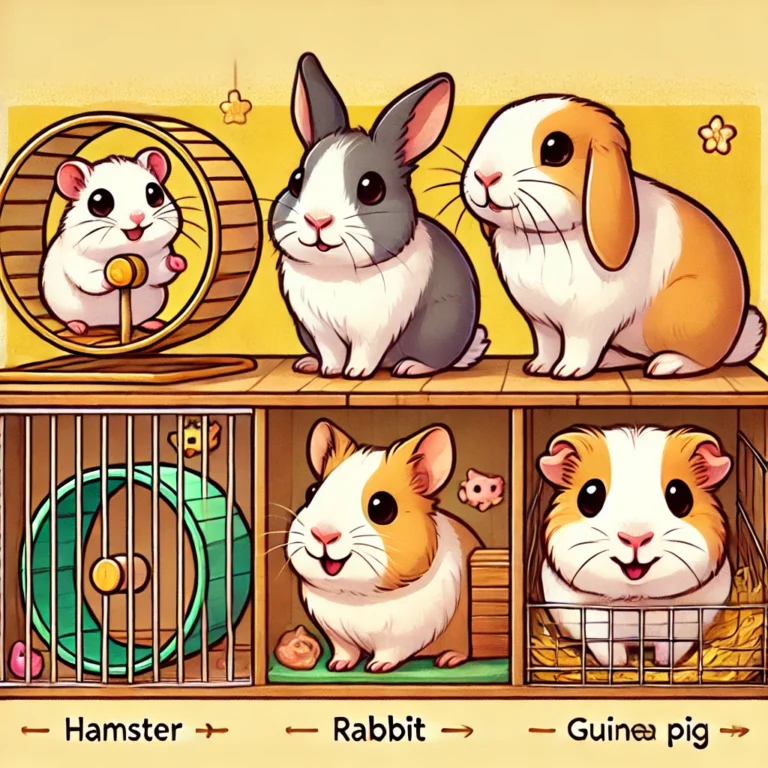
- Hamsters – Compact, nocturnal rodents that are easy to house in a 450‑square‑inch cage. They are excellent for children learning responsibility. Learn more about hamsters.
- Guinea Pigs – Slightly larger than hamsters, they are social and enjoy gentle handling. A diet rich in vitamin C is essential. Guinea pig facts.
- Betta Fish – Vibrant, low‑maintenance fish that thrive in a 2‑gallon tank with proper filtration. They are perfect for beginners hesitant about water‑based pets. Betta fish care.
- Leopard Geckos – Small, docile reptiles that need a simple terrarium setup and thrive on insects. Their calm nature makes them ideal for handling.
- Rabbit – While slightly larger, dwarf rabbit breeds fit well in indoor pens and can be litter‑trained. They provide affectionate companionship and are excellent indoor pet‑friendly options.
These species represent a blend of mammals, fish, and reptiles, ensuring that prospective owners can find a small pet that matches their personal preferences and lifestyle.
Care Essentials for Small Pets
Even the most low‑maintenance animal requires a baseline of small animal care to thrive. Below are the fundamental aspects you should address for any pet on this list.
- Habitat Setup – Ensure the enclosure meets size requirements, is predator‑proof, and includes proper bedding or substrate. For fish, maintain clean water parameters; for reptiles, provide adequate heat and humidity.
- Nutrition – Offer species‑specific diets. Hamsters need a mix of pellets and fresh veggies, while Guinea pigs require hay and vitamin C‑rich foods. Betta fish thrive on high‑protein pellets.
- Regular Interaction – Small pets benefit from daily handling or observation to stay socialized and reduce stress. Gentle, consistent interaction helps them recognize you as a source of safety.
- Health Monitoring – Look for signs of illness such as changes in appetite, lethargy, or abnormal droppings. Prompt veterinary care can prevent serious issues. For reputable guidelines, consult the CDC’s pet health resources.
Small Pets and Apartment Living
Living in a city apartment doesn’t mean you have to give up on pet ownership. Many small pets are designed for indoor life and excel in limited spaces. When considering a small animal for a pet‑friendly apartment, keep the following tips in mind:
- Noise Level – Choose quiet species like fish or reptiles if you have noise‑sensitive neighbors.
- Space Utilization – Multi‑level cages for hamsters or vertical terrariums for reptiles make efficient use of corners.
- Ventilation – Ensure proper airflow to prevent odor buildup, especially for small mammals.
- Safety – Secure cage lids and avoid exposing pets to balcony winds or open windows.
According to the PetSmart education hub, many landlords view small pets as low‑risk, making them a welcomed addition to rental agreements.
Health and Safety Tips
Keeping your small pet safe involves more than just proper feeding. Below are advanced considerations that seasoned owners employ to safeguard their companions.
- Sanitation Protocols – Clean cages weekly with pet‑safe disinfectants. For fish tanks, perform partial water changes (25%) every two weeks.
- Environmental Enrichment – Provide tunnels, wheels, or climbing structures to stimulate natural behaviors and prevent boredom.
- Veterinary Partnerships – Locate a veterinarian experienced in exotic or small animal medicine. The American Veterinary Medical Association offers a directory for specialists.
- Emergency Preparedness – Keep a pet first‑aid kit and know the nearest emergency clinic that treats small animals.
By integrating these practices, you create an environment where your small pet can live a long, healthy life, delivering the big joy you expect from a companion.
Conclusion
Small pets provide an accessible gateway to the rewarding world of animal companionship. Whether you opt for a curious hamster, a colorful betta fish, or a gentle rabbit, the emotional payoff is substantial and the logistical demands are manageable. Embrace the opportunity to enrich your home with a pet that fits your lifestyle, and experience the lasting happiness that these tiny friends bring.
Ready to welcome a small pet into your life? Start by researching the species that best matches your schedule and space, then visit a reputable local shelter or breeder today. Your future companion is waiting to bring big joy to your everyday routine!
Frequently Asked Questions
Q1. What are the main benefits of having small pets?
Small pets require less space and lower maintenance than larger animals, making them ideal for apartments and busy schedules. They still provide emotional support, helping to reduce stress and improve mood. Additionally, caring for a tiny companion can teach responsibility, especially for children.
Q2. Which small pet is best for a first‑time owner?
Hamsters are often recommended for beginners because they are inexpensive, need a modest cage, and are easy to handle. Guinea pigs are another good option for those who want a more social animal that enjoys gentle interaction. Betta fish are perfect for owners who prefer a low‑maintenance, water‑based pet.
Q3. How much space does a betta fish need?
A betta fish thrives in a minimum 2‑gallon tank with a lid to prevent jumps. While larger tanks provide better water stability, a well‑filtered 5‑gallon setup offers optimal health. Ensure the tank includes decorations and plants for enrichment.
Q4. What should I feed my guinea pig to keep it healthy?
Guinea pigs need unlimited hay, which supports their digestive system and dental health. Fresh vegetables high in vitamin C, such as bell peppers and kale, are essential to prevent scurvy. Complement the diet with a small amount of fortified pellets daily.
Q5. How often should I clean a hamster’s cage?
Spot‑clean your hamster’s cage weekly by removing soiled bedding and uneaten food. Perform a full clean, replacing all bedding and disinfecting the cage, every two to four weeks. Regular cleaning prevents odor buildup and reduces the risk of illness.