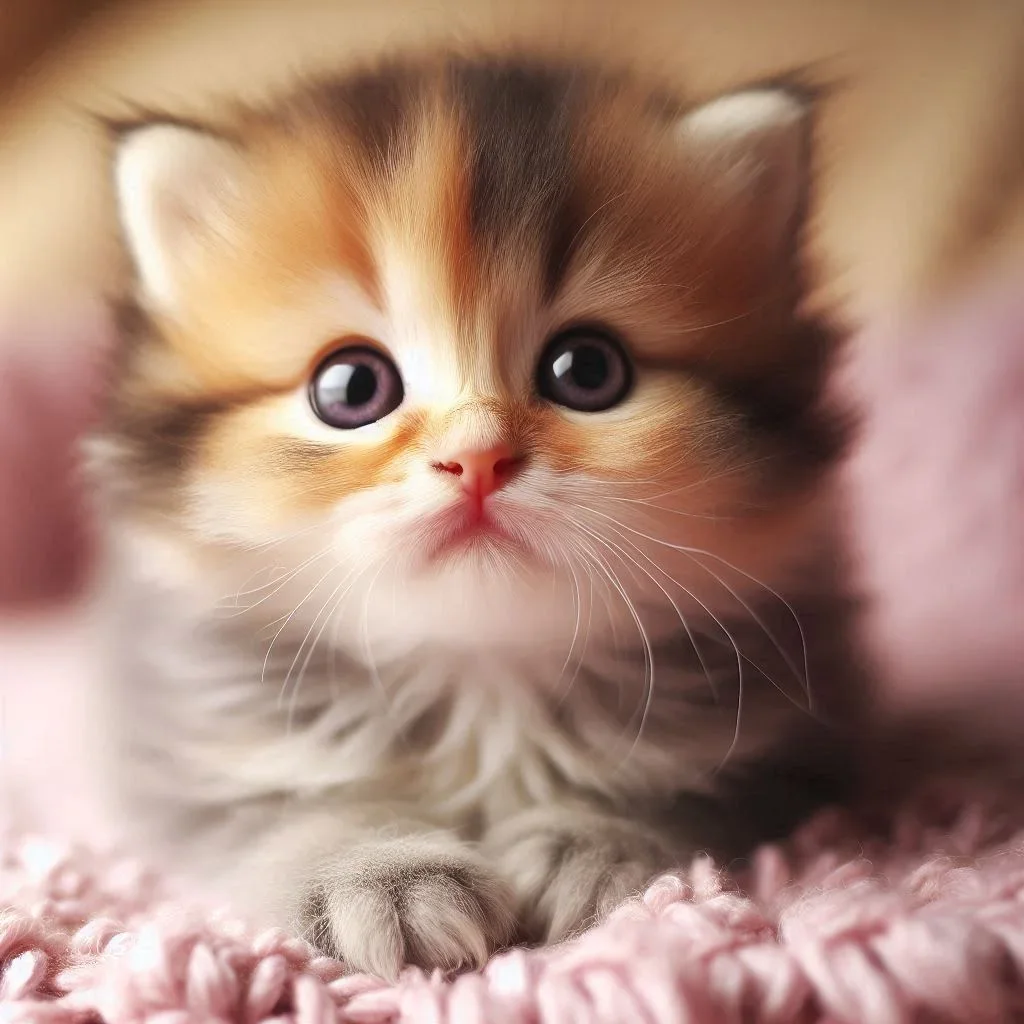
Uncommon Cute Cat Breeds Guide
If you’re on the hunt for a feline companion that stands out from the crowd, exploring uncommon cute cat breeds for homes can be both exciting and rewarding. While popular breeds like the Persian or Siamese often dominate the conversation, there’s a delightful array of lesser‑known cats that bring unique looks, charming personalities, and even hypoallergenic qualities to a household. In this guide we’ll highlight several rare yet adorable breeds, discuss their temperament, care needs, and why they might be the perfect match for your family.
Why Choose Uncommon Cute Cat Breeds?
Choosing a rare breed gives you an opportunity to own a cat that feels truly original. Many of these breeds have been carefully preserved by dedicated fanciers, resulting in distinct coat patterns, ear shapes, or body structures that you won’t encounter on a typical street‑corner shelter. In addition, owners often report that these cats develop strong bonds with their humans, perhaps because they are used to being the focus of attention in a smaller breeding community. For those seeking a small cat breed or a pet with a low‑shedding coat, several uncommon options also happen to be hypoallergenic.
Uncommon Cute Cat Breeds: The Sokoke
The Sokoke cat hails from the coastal forests of Kenya and is celebrated for its striking marbled coat that resembles the bark of the Sokoke forest. This medium‑sized cat boasts a lithe, athletic frame and a curious, adventurous spirit. Owners describe Sokokes as highly intelligent, often solving puzzle toys in minutes and enjoying interactive play sessions that mimic hunting. Their short, dense fur sheds minimally, making them a good fit for families with mild allergies.
Uncommon Cute Cat Breeds: The Serengeti
Developed in the early 1990s, the Serengeti cat was bred to emulate the wild appearance of the African serval without the challenges of owning an exotic animal. The breed features elongated legs, large ears, and a spotted coat that is both exotic and elegant. Serengetis are energetic and love high places, so a cat tree or a safe balcony perch is essential. Their temperament balances playful vigor with affection, making them excellent companions for active households.
Uncommon Cute Cat Breeds: The Peterbald
The sleek, hairless Peterbald originated in Russia by crossing the Donskoy with a domestic shorthair. Despite their minimal fur, Peterbalds possess a warm, suede‑like texture that feels pleasant to the touch. They are highly social, often following their owners from room to room, and they thrive on human interaction. Because they lack a protective coat, owners should keep them indoors and provide sweaters during colder months. Their affectionate nature makes them a top choice for those seeking a true lap cat.
Uncommon Cute Cat Breeds: The Kurilian Bobtail
From the islands of the Russian Far East, the Kurilian Bobtail is renowned for its sturdy build, medium‑length coat, and a distinctive pom‑pom tail that curves slightly upward. This breed is known for its fishing prowess, often catching fish in nearby streams when given the chance. They are adaptable, blending well with children, other pets, and even outdoor environments. Their semi‑long hair sheds seasonally, so regular grooming during spring and fall keeps their coat healthy.
Top Uncommon Cute Cat Breeds for Your Home
Below is a quick reference list of the breeds discussed, along with key personality traits and care considerations. Use it as a starting point when deciding which rare feline might fit best with your lifestyle.
- Sokoke – curious, low‑shedding, moderate activity level.
- Serengeti – high energy, loves vertical space, short coat.
- Peterbald – affectionate, hairless, requires indoor warmth.
- Kurilian Bobtail – versatile, semi‑outdoor, moderate grooming.
- Munchkin – short legs, playful, adapts to small spaces (see Munchkin cat for details).
Health and Care Tips for Rare Breeds
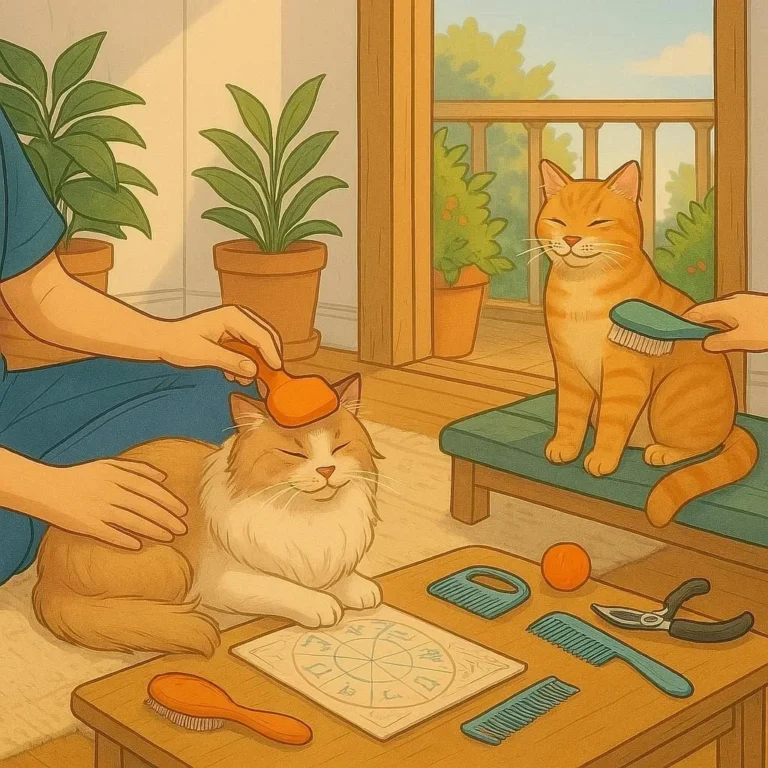
While each uncommon cute cat breed possesses its own genetic quirks, several common health considerations apply across the board. Regular veterinary check‑ups, a balanced diet rich in high‑quality protein, and mental stimulation are essential. For hairless breeds like the Peterbald, skin care becomes a priority; weekly baths with a mild cat‑safe shampoo prevent oil buildup. Breeds with longer ears, such as the Serengeti, may be prone to ear infections, so routine cleaning is advisable.
It’s also wise to verify that any breeder you work with follows responsible breeding practices. Reputable breeders will provide health clearances for both parents, document lineage, and encourage prospective owners to ask about temperament and any breed‑specific concerns. If you’re considering adoption, many rescue organizations specialize in rare breeds and can guide you toward a healthy, well‑socialized cat.
Where to Find Uncommon Cute Cat Breeds
Finding a rare breed may require a bit more research than a trip to the local shelter, but several reliable avenues exist. Specialty cat registries, such as The International Cat Association (TICA) and the Cat Fanciers’ Association (CFA), list accredited breeders by region. Additionally, national animal‑control websites offer listings for breed‑specific rescues. For example, the U.S. Department of Agriculture provides resources on legal considerations for importing exotic felines (USDA Animal Import Regulations).
Regardless of source, ensure you ask for a health guarantee, vaccination records, and a written contract outlining the breeder’s responsibilities. A thorough inquiry not only protects you but also supports ethical breeding practices that sustain the future of these unique cats.
Conclusion
Exploring uncommon cute cat breeds opens a world of personality, beauty, and companionship that many mainstream cats simply cannot match. Whether you’re drawn to the forest‑marbled elegance of the Sokoke, the wild‑spotted grace of the Serengeti, the silky touch of the Peterbald, or the adventurous spirit of the Kurilian Bobtail, each breed offers a distinctive set of traits to enrich your home. By choosing responsibly sourced cats, providing attentive care, and celebrating their individuality, you’ll create a lasting bond that brings joy for years to come.
Ready to welcome a rare, adorable feline into your life? Visit your local breed‑specific rescue, explore accredited breeder listings, or contact a veterinary specialist today and start the journey toward a new, unforgettable companion.
Frequently Asked Questions
Q1. What makes uncommon cute cat breeds different from popular breeds?
Uncommon breeds often have distinctive coat patterns, body shapes, or temperaments that you won’t see in mainstream cats. They are usually bred in smaller, specialized communities, which can lead to stronger human‑cat bonds. Because they are less common, finding a reputable breeder or rescue may require extra research.
Q2. Are any of the rare breeds hypoallergenic?
Some uncommon breeds, such as the Sokoke and Peterbald, shed very little and produce less dander, making them better suited for people with mild allergies. However, no cat is completely hypoallergenic, so prospective owners should spend time with the cat before adopting. Regular grooming and cleaning also help reduce allergen buildup.
Q3. How much exercise does a Serengeti cat need?
Serengeti cats are high‑energy and thrive on daily interactive play, climbing, and vertical space. Providing tall cat trees, puzzle toys, and supervised outdoor enclosures keeps them mentally and physically stimulated. Short, frequent play sessions are usually more effective than one long session.
Q4. What special care does a hairless Peterbald require?
Because they lack a protective coat, Peterbalds need indoor warmth, especially in colder months, and may appreciate a soft sweater. Their skin can become oily, so weekly baths with a gentle cat‑safe shampoo are recommended. Regular dental checks and nail trims are also important for overall health.
Q5. Where can I find reputable breeders or rescues for rare cat breeds?
Start with accredited registries like TICA or CFA, which list verified breeders by region. Many breed‑specific rescues operate online and can match you with cats in need of homes. Always ask for health clearances, vaccination records, and a written contract before committing.