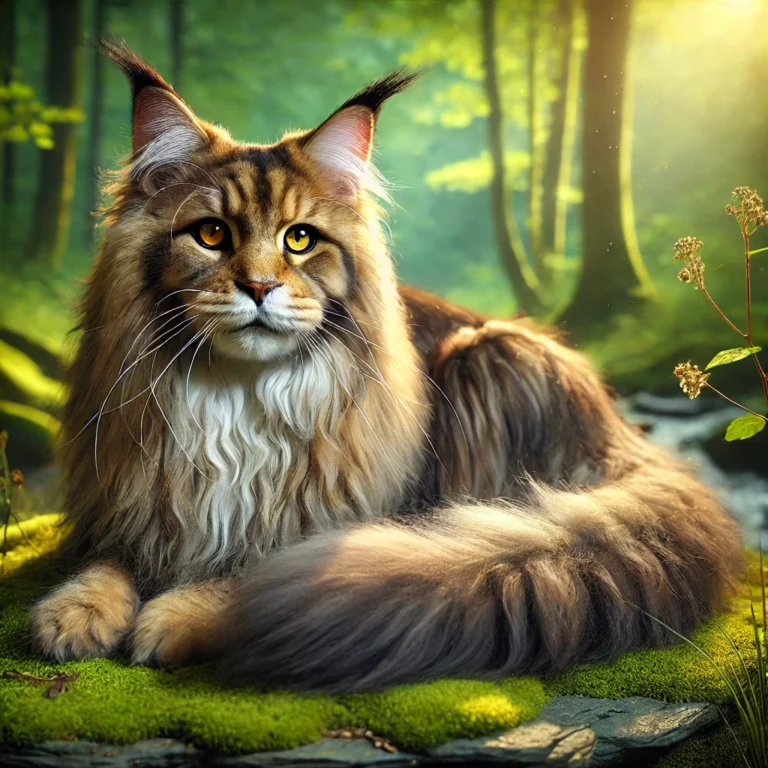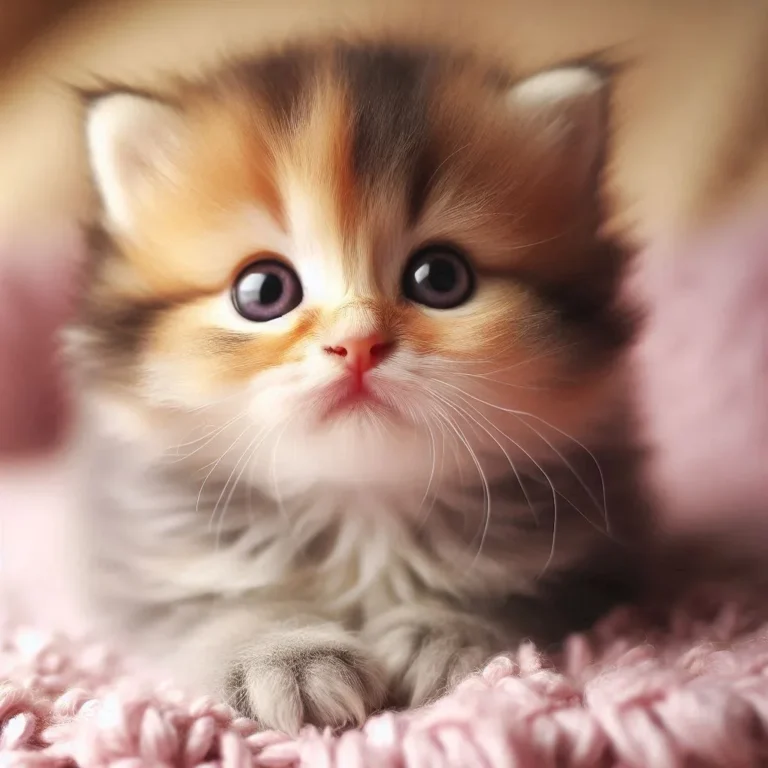
Cute Cats Unique Coat Patterns
When you think of adorable companions, Cute Cats instantly come to mind, especially those flaunting striking coat patterns that set them apart from the crowd. From the classic tabby swirl to the eye‑catching points of a Siamese, each pattern tells a story of genetics, evolution, and selective breeding. In this deep dive we’ll explore the most beloved coat patterns, why they matter, and how owners can celebrate the beauty of their feline friends.
Understanding the Science Behind Fur Patterns
Coat coloration in cats is governed by a handful of genes that interact in complex ways. The primary pigment, eumelanin, produces black or brown shades, while pheomelanin yields reds and creams. Modifier genes then add tabby stripes, rosettes, or points. The Genetics of Cat Coat Color page from Wikipedia breaks down these interactions, highlighting how a single gene can create the dramatic differences we see between a solid black cat and a silver‑tipped tabby.
Classic Tabby: The Backbone of Feline Patterning
The tabby pattern is the most common and arguably the most versatile, appearing in four main types: mackerel, classic, spotted, and ticked. Each variation stems from the same “agouti” gene, which dictates whether the fur appears banded (ticked) or striped (mackerel). The classic swirl pattern, often called “blotched tabby,” resembles a marble cake and can be traced back to the wild ancestor of domestic cats, the African wildcat.
- Mackerel Tabby: Thin, vertical stripes that run the length of the body.
- Classic Tabby: Broad, swirling patterns that form a bullseye on the sides.
- Spotted Tabby: Rounded spots rather than continuous stripes.
- Ticked Tabby: Each hair is banded with multiple colors, giving a salt‑and‑pepper appearance.
For a deeper look at the evolutionary roots of tabby markings, consult the National Geographic overview of domestic cats, which explains how camouflage played a role in early survival.
Calico and Tortoiseshell: A Colorful Mosaic
Calico cats showcase large patches of white, black, and orange, while tortoiseshells (often called “torties”) blend black and orange in a mottled, almost marbled fashion. The striking combination is linked to the X chromosome; because females have two X chromosomes, they can express both orange (O) and black (B) pigments, leading to the classic tri‑color. Male calicos are rare and usually sterile, a genetic curiosity that underscores the link between coat color and sex chromosomes.
Veterinary experts at the American Veterinary Medical Association note that calico and tortoiseshell cats often have strong personalities, a phenomenon sometimes dubbed “calico syndrome,” though scientific evidence remains limited.
Pointed Patterns: The Allure of Siamese and Their Relatives
Pointed coloration, most famously seen in Siamese cats, features a lighter body with darker extremities – ears, face, paws, and tail. This pattern results from a temperature‑sensitive enzyme that only activates in cooler body parts, depositing darker pigment. The same gene is responsible for the color points of Ragdolls, Birman, and the Himalayan Persian.
The Cornell University College of Veterinary Medicine has conducted extensive research on the temperature‑dependent expression of the TYR gene, confirming why kittens are born nearly white and develop points as they mature.
Breed‑Specific Patterns: From the Exotic to the Elegant
While many patterns are shared across breeds, some are virtually exclusive. The Scottish Fold, for instance, often displays a plush, double‑coat with subtle tabby markings that accentuate its folded ears. The Bengal, a hybrid of domestic cats and Asian leopard cats, boasts a glittery, rosette‑filled coat that mimics its wild ancestry.
For authoritative breed standards, the Cat Fanciers’ Association provides detailed descriptions of acceptable coat patterns, helping breeders maintain breed integrity while celebrating diversity.
Caring for Cats with Distinctive Coats
Unique coat patterns often come with specific grooming needs. Long‑haired breeds like the Persian with pointed coloration may develop mats, requiring daily brushing. Short‑haired breeds with dense tabby markings benefit from regular nail trims to prevent accidental self‑grooming injuries. Regardless of pattern, a balanced diet rich in omega‑3 fatty acids supports a glossy, healthy coat.
Health Implications Linked to Color Genes
Some coat genes act as markers for health conditions. The white spotting gene, when associated with blue eyes, can correlate with congenital deafness in certain breeds. Likewise, the bobtail gene in the Manx breed, which influences a short tail, may be linked to spinal anomalies. Understanding these connections helps owners make informed veterinary choices.
Celebrating Your Cute Cats on Social Media
Photography enthusiasts love capturing the contrast of a sleek black tuxedo cat against a bright background, or the vivid orange patches of a calico basking in sunlight. When sharing, use hashtags like #CuteCats, #CatCoatPatterns, and #FelineBeauty to connect with a community that appreciates the artistry of feline fur.
Conclusion: Embrace the Diversity of Cute Cats
From the timeless elegance of a classic tabby to the bold mosaics of calico and the cool contrast of pointed breeds, Cute Cats offer endless visual delight. By understanding the genetics behind these patterns, providing appropriate care, and sharing their beauty responsibly, owners can ensure their feline companions live happy, healthy lives while continuing to inspire admiration worldwide. Ready to learn more about caring for your uniquely patterned cat? Visit our resource hub for tips, product recommendations, and a community of fellow cat lovers eager to celebrate every shade of Cute Cats today.
Frequently Asked Questions
Q1. What determines a cat’s coat pattern?
A cat’s coat pattern is controlled by several genes that dictate pigment production and distribution. The primary pigments, eumelanin and pheomelanin, give black/brown and red/cream colors respectively. Modifier genes add stripes, spots, or points, creating the diverse patterns we see in domestic cats.
Q2. Why are calico cats mostly female?
Calico and tortoiseshell coloring depends on two X‑linked color genes, one for black and one for orange. Female cats have two X chromosomes, allowing both colors to be expressed together, while males have only one X and are usually a single color. Rare male calicos occur when an extra X chromosome is present, making them genetically XXY.
Q3. How can I care for a long‑haired pointed cat?
Long‑haired pointed breeds, such as Siamese‑type Persians, need daily grooming to prevent matting, especially around the face and tail. Use a metal comb and a slicker brush, and consider a regular trim for the fur around the eyes. A diet rich in omega‑3 fatty acids will support a glossy, healthy coat.
Q4. Are certain coat colors linked to health problems?
Yes, some color genes are associated with health concerns. White cats with blue eyes have a higher risk of congenital deafness, and the manx bobtail gene can be linked to spinal issues. Knowing these connections helps owners seek early veterinary screening.
Q5. How to photograph my cat’s unique pattern effectively?
Use natural light and a plain background to let the fur’s colors stand out. Position the cat near a window, shoot at eye level, and capture both close‑up details and full‑body shots. Adding hashtags like #CuteCats and #CatCoatPatterns can increase visibility on social platforms.