Adorable Birds for Indoor Pets
For adorable birds for indoor pet lovers, the modern apartment dweller now has a feathered companion that fits seamlessly into a compact living space while offering bright personality and gentle chirps. Selecting the right species is more than a whim; it involves understanding noise level, diet needs, cage size recommendations, and the overall commitment a bird requires. This guide distills expert advice, scientific findings, and practical tips into a single resource so you can enjoy a happy, healthy bird without sacrificing your indoor lifestyle.
Why Choose a Small Parrot?
Small parrots, often called “mini‑parrots,” are the most popular choice for indoor environments because they combine charm with manageability. Their size means they need less floor space, and many varieties are known for quieter vocalizations compared to larger species like macaws. Additionally, a smaller bird typically consumes less seed and fruit, making the bird diet tips easier to follow and reducing long‑term costs.
Top Five Adorable Indoor Birds
Below is a curated list of five species that consistently rank high among indoor pet enthusiasts. Each entry includes essential care points, making it simple to compare and decide which bird matches your lifestyle.
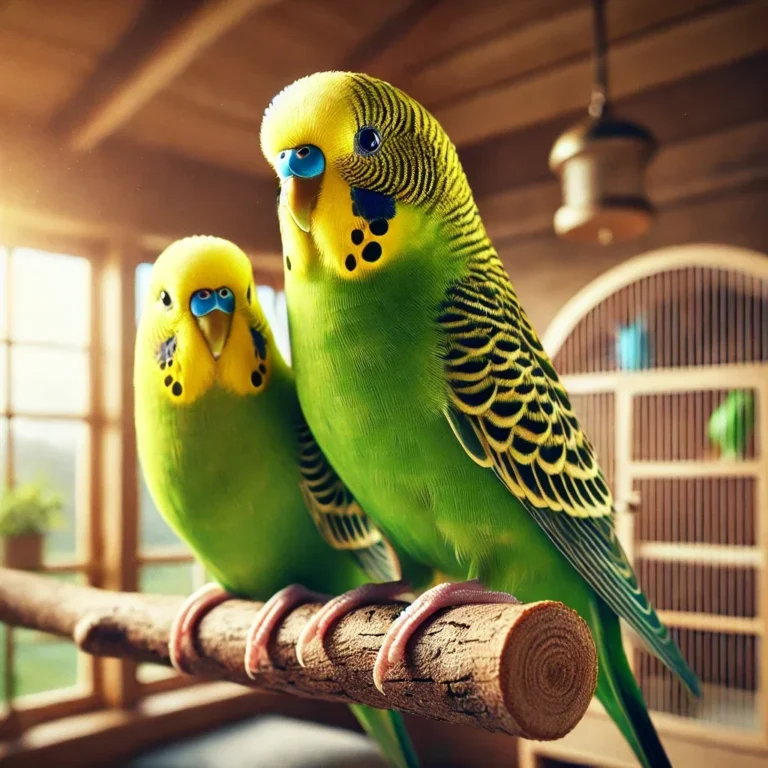
- Budgerigar (Budgie) – The world’s most beloved pet bird, prized for its playful demeanor and ability to mimic simple words. They thrive on a varied diet of seed mixes, fresh vegetables, and occasional fruit. A 20‑inch cage is generally sufficient for a single budgie.
- Cockatiel – Known for its gentle whistling and expressive crest, the cockatiel is an excellent starter bird. They enjoy a diet rich in pellets, leafy greens, and millet sprays. Minimum cage dimensions: 30x20x20 inches.
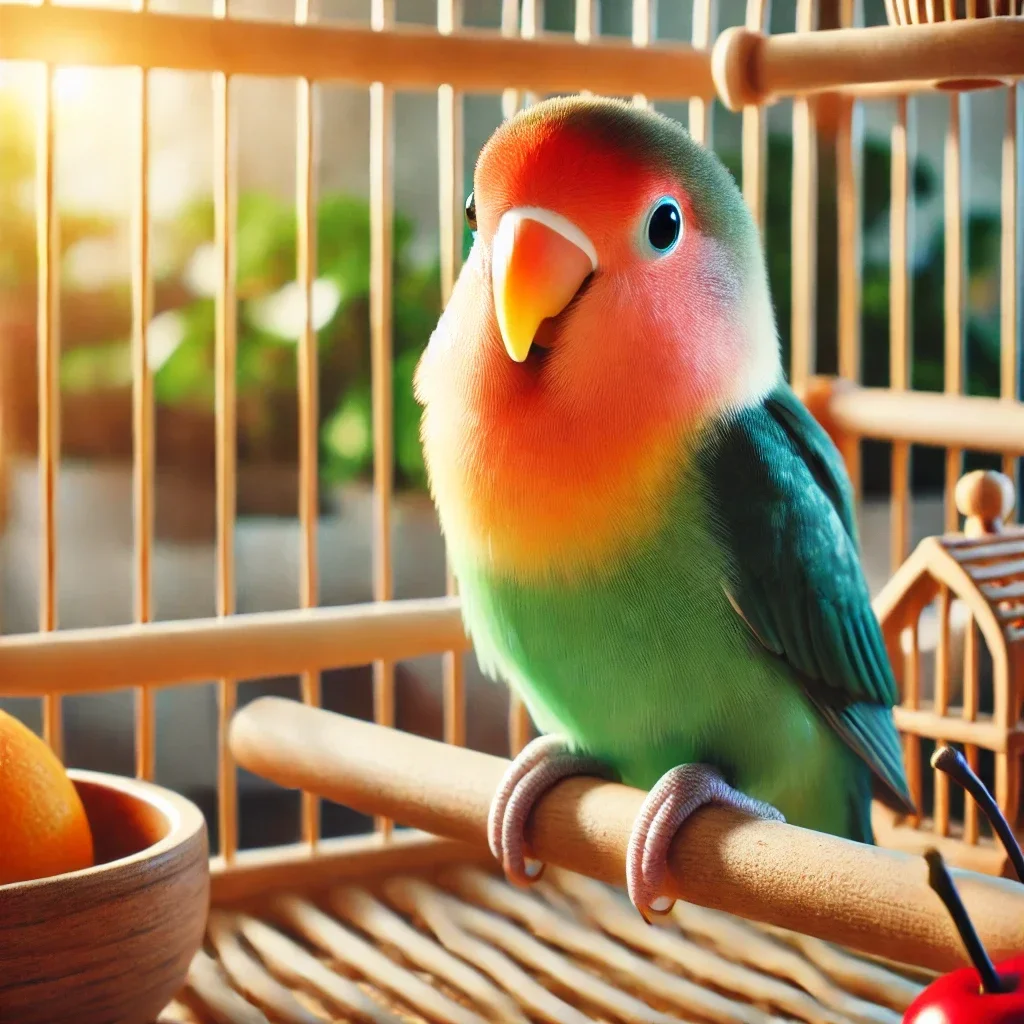
- Lovebird – Small yet spirited, lovebirds form strong bonds with their owners and are renowned for vivid plumage. They require a diet that includes fresh fruit, nuts, and high‑quality pellets. Provide a cage of at least 24x24x24 inches to allow for flight.
- Parrotlet – True to their name, parrotlets are tiny powerhouses of personality. Their health guidelines stress a diet of soft foods and regular veterinary check‑ups. A 12‑inch cage works for one bird, but bigger is always better.
- Green Cheek Conure – Slightly larger, this conure offers a mellow chatter and bright green cheek patches. They enjoy a varied diet of fresh produce, nuts, and formulated diets. Minimum cage: 36x24x24 inches.
Essential Cage Size Recommendations
Choosing the correct cage is a cornerstone of responsible bird ownership. A cage that is too small can lead to stress, feather‑plucking, and health problems. As a rule of thumb, the cage’s length should be at least twice the bird’s wingspan, and the height should allow the bird to stand upright without its head touching the top. For example, a budgie with a wingspan of 12 inches needs a cage at least 24 inches long. Adding perches of varying diameters encourages foot exercise and mimics natural branching.
Managing Noise Levels and Social Needs
One of the most common concerns for indoor pet lovers is how loud a bird can be. While no bird is completely silent, many low‑maintenance pet birds produce soft chirps that are pleasant rather than disruptive. Cockatiels and budgies are especially known for their subdued vocalizations. However, all birds are social creatures; without interaction, they may become vocal in an attempt to gain attention. Schedule daily out‑of‑cage time, talk to your feathered friend, and provide enrichment toys to keep boredom at bay.
Nutrition: Proven Bird Diet Tips
A balanced diet is the foundation of a thriving indoor bird. Relying solely on seed mixes can cause obesity and nutritional deficiencies. The best approach combines a high‑quality commercial pellet (which supplies essential vitamins and minerals) with fresh vegetables such as carrots, leafy greens, and bell peppers. Fruit should be offered in moderation due to its sugar content. Treats like millet sprays or small pieces of unsalted nuts work well for training and bonding.
Health Care and Regular Vet Visits
Just like any other pet, birds benefit from routine health checks. A qualified avian veterinarian can screen for common issues such as psittacine beak and feather disease, respiratory infections, and parasites. Early detection is crucial; many conditions are treatable when caught quickly. The American Veterinary Medical Association provides a locator tool to find certified avian vets near you.
Creating a Bird‑Friendly Home Environment
Safety extends beyond the cage. Ensure windows are covered with bird‑safe screens to prevent accidental flight injuries. Keep household chemicals, scented candles, and aerosol sprays out of reach, as birds have highly sensitive respiratory systems. Position the cage away from direct sunlight and drafts, but in an area where the bird can observe family activity—social interaction is a key component of mental health.
Conclusion: Bring Home an Adorable Indoor Companion Today
Choosing the right bird transforms a simple apartment into a lively sanctuary of color, song, and companionship. By focusing on species that suit indoor living, providing ample cage space, following proven bird diet tips, and committing to regular veterinary care, you ensure a long, joyful partnership with your feathered friend. Ready to welcome a new member to your home? Explore reputable breeders or rescue organizations, equip your space with a proper cage, and start building the bond that makes indoor bird ownership truly rewarding.
Take the first step now—visit a local avian rescue, gather the essential supplies, and give an adorable bird a loving indoor home today!
Frequently Asked Questions
Q1. Which small parrot is best for a first‑time indoor owner?
Budgerigars and cockatiels are ideal beginners because they are relatively quiet, easy to tame, and have modest space requirements. They adapt well to apartment life and enjoy simple interactive toys. Regular gentle handling helps them build confidence and bond with you.
Q2. How big should a cage be for a lovebird?
A lovebird needs at least a 24×24×24‑inch cage, but larger is better to allow short flight stretches. The cage length should be double the bird’s wingspan, and include multiple perches of varying diameters.
Q3. Do indoor birds need daily out‑of‑cage time?
Yes. Daily supervised free‑flight or playtime prevents boredom, reduces stress, and promotes muscle health. Aim for 1–2 hours of out‑of‑cage interaction each day.
Q4. What is the most balanced diet for an indoor parrot?
Combine a high‑quality formulated pellet (about 60‑70% of the diet) with fresh vegetables, occasional fruit, and limited seeds or nuts as treats. This mix provides essential vitamins, minerals, and fiber while preventing obesity.
Q5. How often should I take my indoor bird to the vet?
Schedule a wellness exam at least once a year with an avian veterinarian. If you notice changes in behavior, appetite, or feather condition, book an appointment sooner.