Cute Birds with Calm Temperaments
When you think about adding a feathered friend to your home, the image of a noisy, high‑energy bird often comes to mind. However, many avian enthusiasts are discovering that there are plenty of Cute Birds known for calm behavior, making them perfect companions for quiet households, seniors, or anyone seeking a low‑stress pet. These calm species combine attractive plumage, gentle personalities, and manageable care requirements, allowing owners to enjoy the soothing presence of birds without the constant chatter typical of louder species. In this guide we’ll explore four of the most beloved calm bird breeds, share practical care tips, and point you toward trustworthy resources so you can make an informed, confident decision.
Cute Birds: Budgerigars with Calm Temperaments
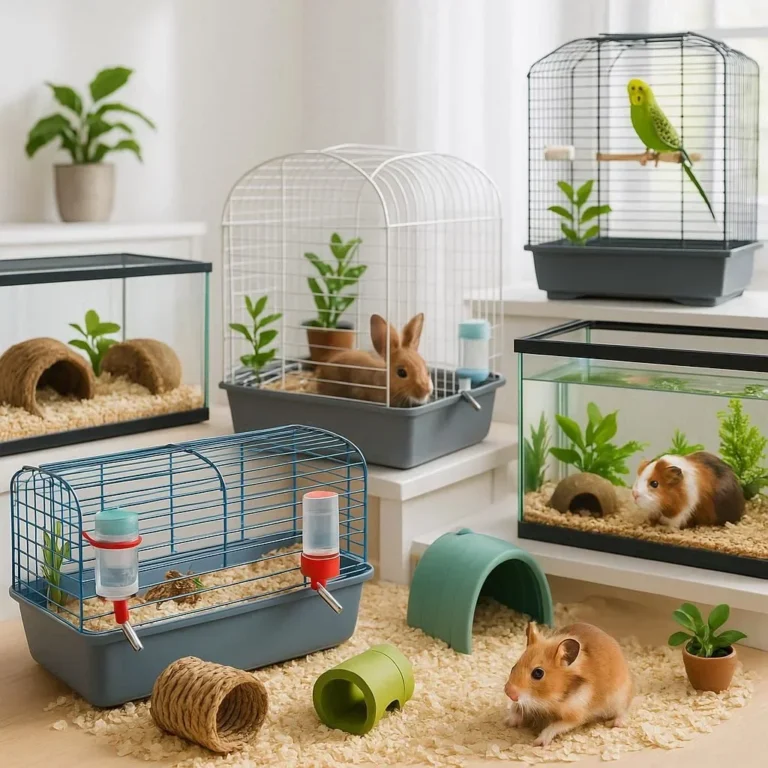
Budgerigars, often called budgies, are among the smallest parrots in the world, typically measuring 7 inches from beak to tail. Despite their diminutive size, they are remarkably social and, when raised in a calm environment, develop a tranquil demeanor that makes them ideal for apartment living. Budgies love gentle interaction and enjoy mimicking soft words or whistling, yet they rarely become shrill unless stressed. Their feather colors range from classic green to sky‑blue, violet, and even albino, adding a splash of visual interest to their quiet nature.
For owners seeking a pet that is both visually appealing and low‑maintenance, the budgerigar’s modest diet—seeds, fresh vegetables, and occasional fruit—keeps feeding routines simple. Regular social play, such as offering a safe perch for hand‑taming, reinforces their calm disposition while strengthening the human‑bird bond.
Cute Birds: Meyer’s Parakeet as a Gentle Companion
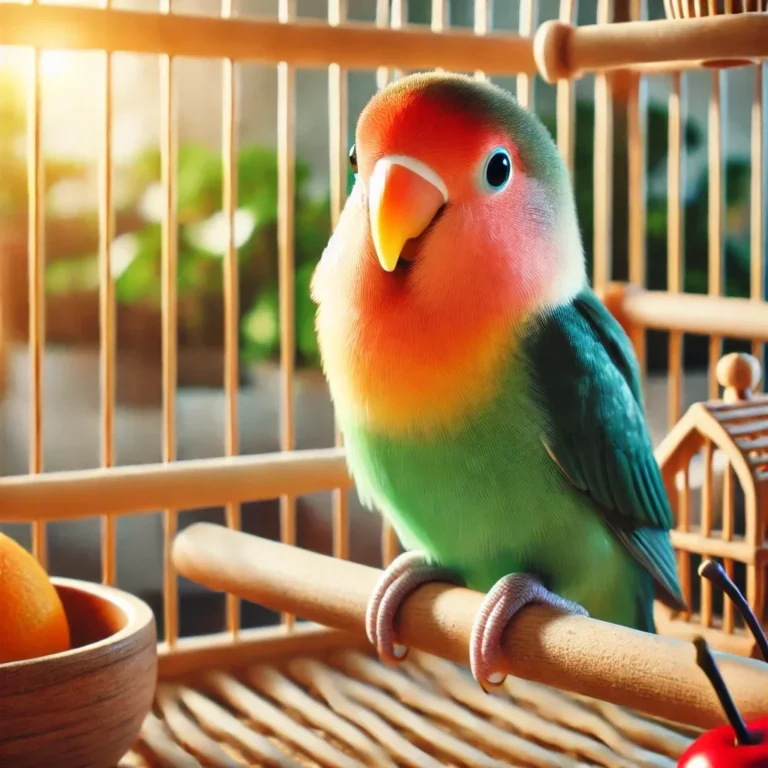
The Meyer’s parakeet (Poicephalus meyeri) hails from the woodlands of sub‑Saharan Africa. Its muted green plumage with a subtle orange head makes it a subtle yet striking presence in any room. Known among bird keepers for its docile temperament, this species rarely raises its voice, preferring soft chirps and whistling. Their calm nature is especially evident when they are provided with plenty of foraging toys that occupy their intelligent minds without encouraging frantic activity.
In addition to their placid personalities, Meyer’s parakeets are praised for their relatively low noise level compared with larger parrot species. They thrive on daily interaction, but they are equally content spending quiet moments perched beside a window, observing outdoor activity. This dual capacity for companionship and independent observation makes them a versatile choice for families and single owners alike.
Cute Birds: Pionus Parrot – The Quiet Charmer
The Pionus parrot (genus Pionus) is often described as the “grandfather of calm parrots.” With medium‑sized bodies, soft feather tones ranging from slate‑gray to violet‑blue, and a reputation for being one of the most serene members of the parrot family, Pionus birds are a top recommendation for those seeking peace and beauty in a single pet.
Research from the Wikipedia entry on Pionus parrots highlights their low vocalization levels—typically limited to gentle cooing and occasional soft calls. Their calmness is reinforced by their preference for stable routines. Providing a predictable schedule of meals (fresh vegetables, high‑quality pellets, and limited seeds) and daily interaction helps maintain their contented demeanor.
Cute Birds: Cockatiel – Friendly, Calm, and Affectionate
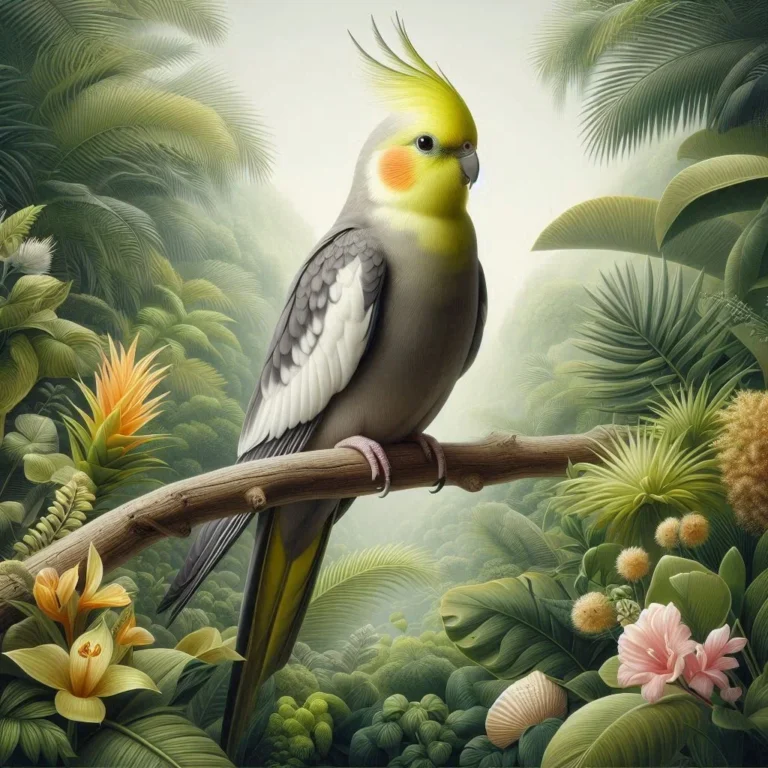
Cockatiels (Nymphicus hollandicus) have earned a beloved spot in households worldwide for their personable nature and mellifluous, yet not overwhelming, vocalizations. Their iconic crest and gentle “whistle” are hallmarks of a species that enjoys human interaction without demanding constant attention.
A 2021 study from the National Center for Biotechnology Information confirmed that cockatiels exhibit lower stress hormone levels when kept in environments with regular, calm handling. Their diet consists of a balanced mix of high‑quality pellets, fresh greens, and occasional fruit, supporting both health and a relaxed temperament.
Beyond their soothing presence, cockatiels are renowned for their ability to learn simple tricks, such as stepping up onto a finger or responding to a gentle whistle. This interactive learning encourages mental stimulation, which paradoxically promotes calmness by satisfying their innate curiosity.
Care Tips for Maintaining Calm Behavior
- Consistent Routine: Birds thrive on predictability. Feed, clean, and interact at the same times each day to reduce anxiety.
- Quiet Environment: Place the cage away from loud televisions, constant traffic, or other pets that may cause stress.
- Enrichment Without Overstimulation: Offer foraging toys, gentle swings, and natural branches that allow chewing without encouraging noisy play.
- Social Interaction: Spend at least 30 minutes daily in calm, hand‑taming sessions. Gentle talk and soft singing reinforce a sense of security.
- Health Monitoring: Regular veterinary check‑ups (see the USDA APHIS bird health resources) ensure that illness, a common cause of sudden vocalization, is addressed promptly.
These simple practices help maintain the serene dispositions that make Cute Birds known for calm behavior such rewarding companions.
Conclusion
Choosing a bird should never be a rush decision; understanding the natural temperament of each species ensures a harmonious home. Budgerigars, Meyer’s parakeets, Pionus parrots, and cockatiels exemplify the best of Cute Birds known for calm behavior—each offering unique colors, gentle sounds, and a willingness to bond without overwhelming noise. By providing a predictable routine, a peaceful environment, and regular enrichment, you set the stage for a lifelong, low‑stress relationship.
Ready to invite a calm feathered friend into your life? Explore reputable breeders or local rescue shelters, and give one of these tranquil birds the loving home it deserves. Your serene companion awaits—start the journey today!
Frequently Asked Questions
Q1. Which calm bird is best for a small apartment?
Budgerigars are tiny, low‑noise parrots that thrive in limited space. They enjoy gentle interaction and can be hand‑tamed easily. Their simple diet and colorful feathers make them perfect apartment companions.
Q2. How can I keep a Meyer’s parakeet calm?
Provide daily social time, a quiet spot away from loud devices, and foraging toys that stimulate without overstimulating. Consistent feeding schedules reduce stress, and gentle handling builds trust.
Q3. Do Pionus parrots need a lot of vocal training?
No. Pionus parrots are naturally soft‑voiced and rarely scream. Positive reinforcement for gentle calls encourages their calm nature without excessive noise.
Q4. What are the essential health checks for calm birds?
Annual veterinary exams, regular feather and beak inspections, and monitoring droppings are crucial. Early detection of respiratory or nutritional issues prevents sudden vocal outbursts.
Q5. Can cockatiels learn tricks without becoming noisy?
Yes, cockatiels respond well to simple step‑up or whistle training that keeps them mentally engaged. Short, consistent sessions reinforce calm behavior and discourage loud squawking.