Adorable Cats for Relaxed Life
When you think about a serene sanctuary at home, Adorable Cats for Relaxed Home Life often appear as the perfect companions. Scientific studies confirm that a calm feline presence can lower cortisol levels, improve heart rate variability, and create an atmosphere of gentle comfort. Whether you live in a bustling city apartment or a quiet suburban house, choosing the right cat and setting up a nurturing environment can transform everyday living into a soothing retreat.
Choosing the Right Breed for Calm Living
Not all cats exude the same level of tranquility. If your goal is stress reduction and a low‑maintenance pet, focus on breeds known for their laid‑back temperament. The British Shorthair carries a dignified, placid demeanor, often preferring a sunny windowsill over frantic play. Ragdolls are famous for their tendency to go limp when held, a physical sign of their trust and relaxation. The Chartreux, a French breed, combines a plush coat with a quiet, affectionate nature, making it ideal for a calm home.
According to the Wikipedia list of cat breeds, these and other low‑energy breeds rank highly for indoor living. When selecting a kitten, observe its behavior: a calm kitten will explore gently, maintain soft eye contact, and settle quickly after brief play sessions.
Creating a Cat‑Friendly Space
A comfortable environment reinforces a cat’s innate desire for safety and calm. By providing designated zones, you guide your cat toward predictable routines, which in turn mitigates anxiety. Below are essential elements to include in a relaxed cat haven:
- Cozy Hideaways: Soft cat caves, covered beds, or high perches give your cat a sense of security.
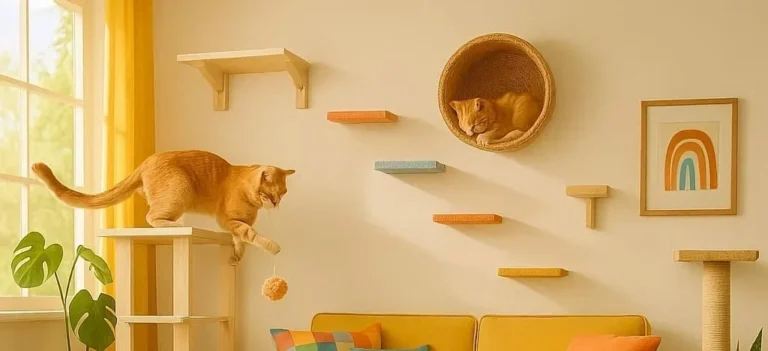
- Vertical Territory: Cat trees or shelving allow natural climbing behavior without overstimulation.
- Quiet Litter Areas: Use low‑dust, unscented litter and keep the box in a low‑traffic corner.
- Gentle Lighting: Natural light through sheer curtains creates a soothing ambience; avoid harsh fluorescent bulbs.
- Safe Toys: Simple feather wands or crinkly balls engage mind and muscles without intense chase.
By arranging these items thoughtfully, you reduce the likelihood of territorial disputes and promote a steady, relaxed rhythm throughout the day.
Daily Routines that Promote Calm
Consistent daily habits are the backbone of a stress‑free home. Cats thrive on predictability, so establishing a routine that aligns with their natural circadian rhythm is crucial. Here are three core practices:
- Scheduled Feeding: Offer meals at the same times each day. Wet food in the morning and dry kibble in the evening can satisfy both nutritional and psychological needs. The ASPCA cat care guide notes that routine feeding reduces scavenging behavior and encourages calmness.
- Gentle Play Sessions: Short, interactive play (5‑10 minutes) after meals stimulates natural predatory instincts while preventing excess energy build‑up. Use feather wands or laser pointers, then end with a soft petting period to reinforce bonding.
- Evening Wind‑Down: Dim the lights, offer a warm lap for cuddling, and speak in a soothing tone. This mirrors a cat’s natural twilight activity pattern and signals the transition to rest.
Integrating these habits not only supports a cat’s physical health but also serves as a ritual for human occupants, fostering mutual relaxation.
Health Checkups and Stress Prevention
Regular veterinary care is indispensable for maintaining an atmosphere of calm. Undiagnosed pain or illness can manifest as irritability, and a stressed cat may become withdrawn or destructive. Schedule annual examinations, keeping an eye on dental health, weight, and coat condition. The American Veterinary Medical Association emphasizes preventive care as a cornerstone of stress reduction for pets.
In addition to physical health, mental well‑being matters. The National Institutes of Health highlight that human‑cat interactions can lower blood pressure, while a content cat experiences fewer cortisol spikes. Provide enrichment such as puzzle feeders or window perches that allow safe bird watching, keeping the cat mentally stimulated without overwhelming excitement.
Finally, ensure your home complies with local animal‑welfare regulations. The USDA’s Animal and Plant Health Inspection Service offers guidelines on responsible pet ownership, which can be accessed through their Pet Trade Portal.
Conclusion: Embrace Serenity with Your Feline Companion
Integrating Adorable Cats for Relaxed Home Life into your household is more than a lifestyle choice—it’s an investment in emotional well‑being for both you and your pet. By selecting a tranquil breed, crafting a cat‑friendly environment, establishing consistent routines, and prioritizing health, you cultivate a sanctuary where stress gently evaporates. Ready to experience the benefits of a calm feline presence?
Start your journey today—adopt an adorable cat and transform your home into a haven of relaxation. Visit your local shelter or reputable rescue organization and discover the perfect companion to share in a relaxed, joyful life.
Frequently Asked Questions
Q1. Which cat breeds are best for a low‑stress home?
Breeds such as the British Shorthair, Ragdoll, and Chartreux are known for their laid‑back temperaments. They prefer quiet environments, enjoy gentle affection, and rarely demand high‑energy play. These traits make them ideal companions for a relaxed household.
Q2. How can I create a calming space for my cat?
Provide soft hideaways, vertical perches, a quiet litter area, and gentle lighting. Keep toys simple and rotate them to prevent overstimulation. Consistency in layout helps the cat feel secure and reduces anxiety.
Q3. What daily routine helps keep my cat calm?
Stick to scheduled feedings, short interactive play sessions after meals, and an evening wind‑down with dim lights and cuddling. Predictable routines align with a cat’s natural circadian rhythm and signal safe times for rest.
Q4. How often should I take my cat for veterinary check‑ups?
Annual wellness exams are recommended for healthy adults, while kittens need a series of visits during their first year. Older cats or those with health issues may require more frequent monitoring to catch problems early.
Q5. Can a cat really lower my blood pressure?
Research shows that gentle petting and quiet interaction with a cat can trigger the release of oxytocin and reduce cortisol, leading to lower blood pressure. A calm feline presence therefore supports both physical and mental wellbeing.