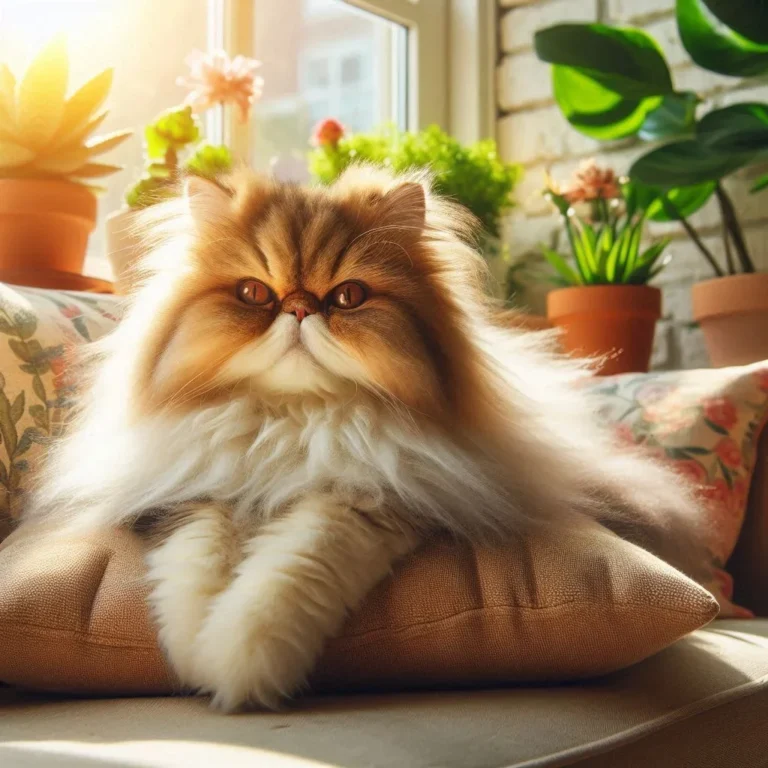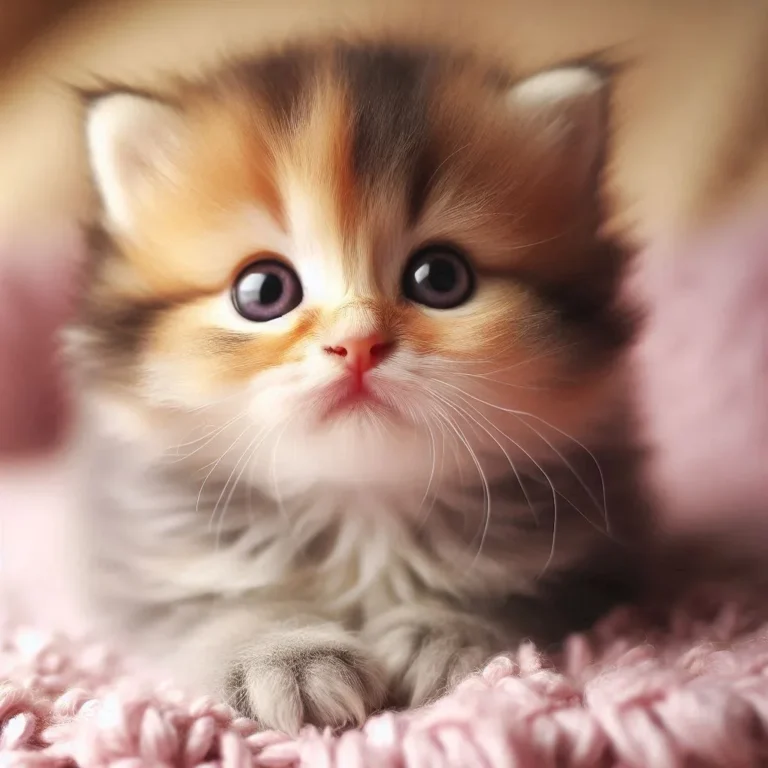
Cute, Sweet and Loving Cats
Cute cats have captured the hearts of millions, not just because they look adorable but also because of their gentle, affectionate nature. When people talk about Cute Cats, they often recall moments of soft purrs, head‑butts, and playful kneading that signal a truly sweet temperament. Understanding why certain felines display such caring behavior can help owners foster stronger bonds and choose the right companion for a harmonious home.
What Makes Cute Cats So Sweet?
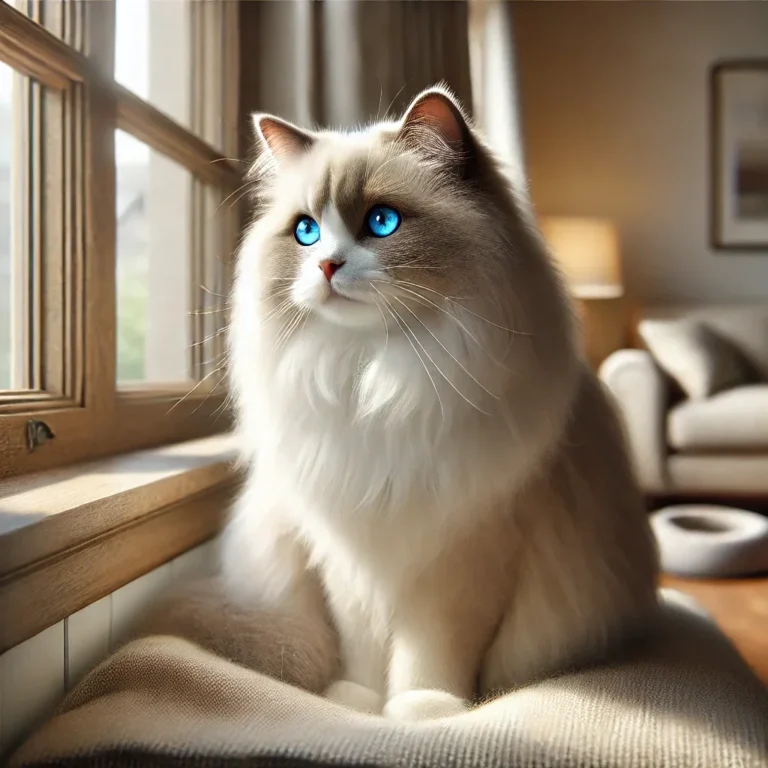
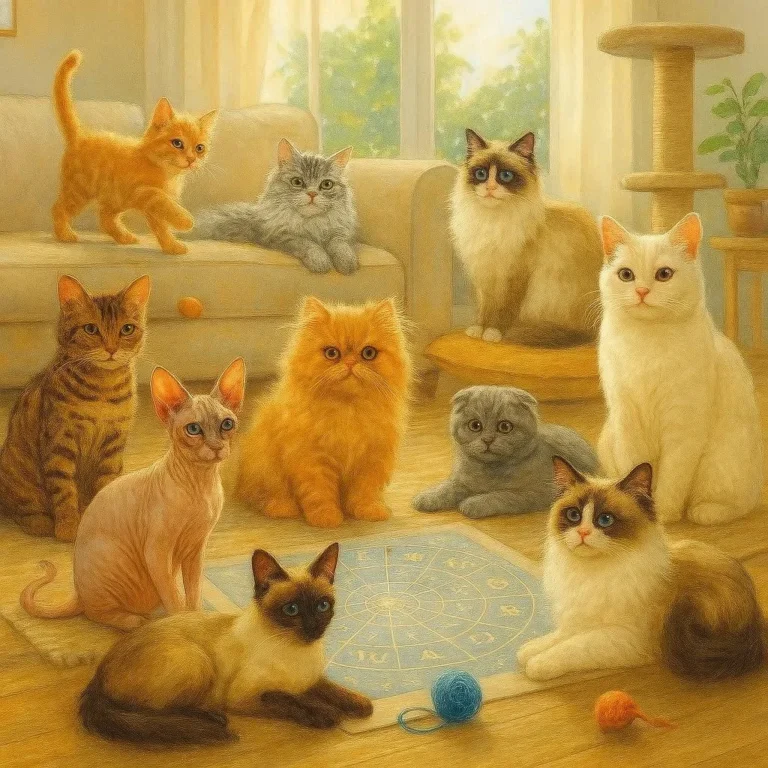
Scientists and animal behaviorists agree that a cat’s personality is shaped by genetics, early socialization, and environment. Breed histories reveal that many of today’s most beloved feline companions were selectively bred for calmness and sociability. For example, the Ragdoll and the Birman are renowned for their docile, “puppy‑like” disposition, often seeking human contact like a loyal dog. These traits make them stand out among the broader cat population as quintessential Cute Cats known for sweet behavior.
Top Gentle Cat Breeds Loved for Their Affection
While every cat is an individual, some breeds consistently rank high on surveys of gentle cat breeds. Below is a list of breeds that frequently appear in studies from veterinary schools and cat registries:
- Ragdoll – famous for going limp when held, indicating trust and calm.
- British Shorthair – calm, sturdy, and loves a quiet lap.
- Scottish Fold – gentle, enjoys soft chin rubs.
- Birman – seeks companionship and often follows owners around.
- American Curl – playful yet tender, loves to be petted.
Each of these breeds exhibits the affectionate feline traits that cat lovers associate with sweet behavior. If you’re considering adoption, visiting local shelters can also uncover mixed‑breed cats with equally loving personalities.
How Environment Shapes Sweet Cat Behavior
Even a breed known for gentleness can become skittish if raised in a chaotic setting. A calm household, regular playtime, and positive reinforcement contribute to a cat’s confidence. According to the American Society for the Prevention of Cruelty to Animals (ASPCA), providing safe perches, scratching posts, and interactive toys reduces stress and encourages cats to display their best, most tender side. Additionally, early exposure to gentle handling—such as petting and soft voice tones—helps kittens learn that humans are a source of comfort.
Understanding Cat Personality Traits
Cat behavior specialists categorize feline personalities along a spectrum from “independent” to “social.” Cute Cats that exhibit sweet behavior typically fall on the social end, showing:
- Frequent purring during petting sessions.
- Gentle kneading with their paws.
- Head‑butting to mark owners with scent glands.
- Following owners from room to room.
These actions signal trust, bonding, and a desire for interaction. Recognizing these signs helps owners respond appropriately—whether by offering a snuggle or providing a cozy hideaway.
Tips for Encouraging Sweet Behavior in Your Cat
Even if your feline companion isn’t naturally a lap cat, you can nurture sweeter habits through consistent, gentle interactions. Consider the following evidence‑based recommendations:
- Establish a routine: Cats thrive on predictable feeding and play times.
- Use interactive toys: Wand toys and laser pointers channel hunting instincts while strengthening owner‑cat bonds.
- Offer gentle grooming: Brushing can be soothing and mimics the mother’s care.
- Provide vertical space: Cat trees and shelves let cats observe from a safe height, reducing anxiety.
- Reward calm behavior: Treats or soft praise after a quiet cuddle reinforce the desired conduct.
Over time, these steps cultivate an environment where Cute Cats feel secure enough to reveal their sweetest, most affectionate side.
Scientific Insights Into Feline Affection
Research from the University of Tokyo’s Department of Veterinary Medicine indicates that oxytocin—the “love hormone”—is released in both cats and humans during mutual grooming. This biochemical exchange underlies the deep emotional connection many owners experience. Moreover, a study published by the Cornell University College of Veterinary Medicine highlights that cats with higher oxytocin levels display more frequent purring and social initiation, traits commonly linked to “sweet” feline behavior.
For further reading on feline science, consult reputable sources such as Wikipedia’s Cat Behavior page, the ASPCA’s Cat Care guide, and the National Institutes of Health article on oxytocin in cats.
Conclusion
Whether you’re a lifelong cat enthusiast or a new adopter, understanding the factors that make Cute Cats known for sweet behavior empowers you to nurture a deep, lasting bond. By choosing gentle breeds, providing a stable environment, and employing proven interaction techniques, you can help any feline flourish into a loving companion.
Ready to experience the joy of a sweet‑tempered cat? Adopt today and discover how a gentle affectionate feline can transform your home. Explore local shelters or reputable breeders, and give a deserving cat the chance to be your next cuddly friend.
Frequently Asked Questions
Q1. What makes a cat “cute” and sweet?
Cute cats often combine physical charm with a calm, affectionate temperament. Genetics, early socialization, and a stress‑free environment shape these traits. Breeds like Ragdolls and Birmans are selectively bred for gentle behavior, but individual personality matters too.
Q2. Which cat breeds are known for gentle, loving personalities?
Top gentle breeds include the Ragdoll, British Shorthair, Scottish Fold, Birman, and American Curl. These cats typically enjoy human contact, seek laps, and display frequent purring. Mixed‑breed cats adopted from shelters can also exhibit very sweet dispositions.
Q3. How does a cat’s environment influence its sweetness?
A calm household, regular routines, and safe enrichment reduce stress and promote confidence. Providing vertical spaces, scratching posts, and interactive toys helps cats feel secure. Positive handling and gentle voices during early life reinforce affectionate behavior.
Q4. Can I encourage a more affectionate personality in my existing cat?
Yes—consistent gentle interactions, scheduled play, and reward‑based training foster trust. Offer grooming sessions, treat calm cuddles, and respect the cat’s need for alone time. Over time, the cat will associate you with safety and affection.
Q5. Is there a health benefit to the bond between cats and owners?
Research shows oxytocin is released in both cats and humans during mutual grooming, enhancing emotional connection. This hormone can lower stress levels and improve heart health for owners. A strong bond also encourages regular veterinary care and better overall well‑being for the cat.