Cute Low-Energy Small Pets Guide
For apartment dwellers, busy professionals, and anyone who prefers a quieter companion, cute low-energy small pets present an ideal solution. These animals combine the charm of miniature size with a calm temperament that requires minimal daily exercise, making them perfect for people with limited space or time constraints. In this guide we explore the most popular species, essential habitat setup, nutrition basics, and health‑maintenance tips, all backed by reputable sources. By the end, you’ll feel confident selecting a pet that fits your lifestyle while still offering the joy of daily interaction.
Choosing the Right Species
Not all small animals are created equal; some are naturally more sedentary than others. When selecting a low‑maintenance pet, consider energy level, grooming needs, and lifespan. Below is a curated list of five top candidates, each known for a gentle disposition and modest care requirements.
- Guinea pig – sociable, quiet, and thrives on simple hay‑based diets.
- Domestic ferret – playful yet content with short burst of activity followed by long rest periods.
- Betta fish – vibrant and thrives in a modest tank without complex filtration.
- Leopard gecko – nocturnal, low‑energy, and requires only occasional feedings.
- Chinchilla – soft‑furred, prefers short activity intervals and long lounging sessions.
Each of these species meets the criteria for a cute, low‑energy companion, but they also differ in social needs and habitat complexity. Researching specific requirements ensures you pick a pet that will thrive in your environment.
Habitat and Enclosure Essentials
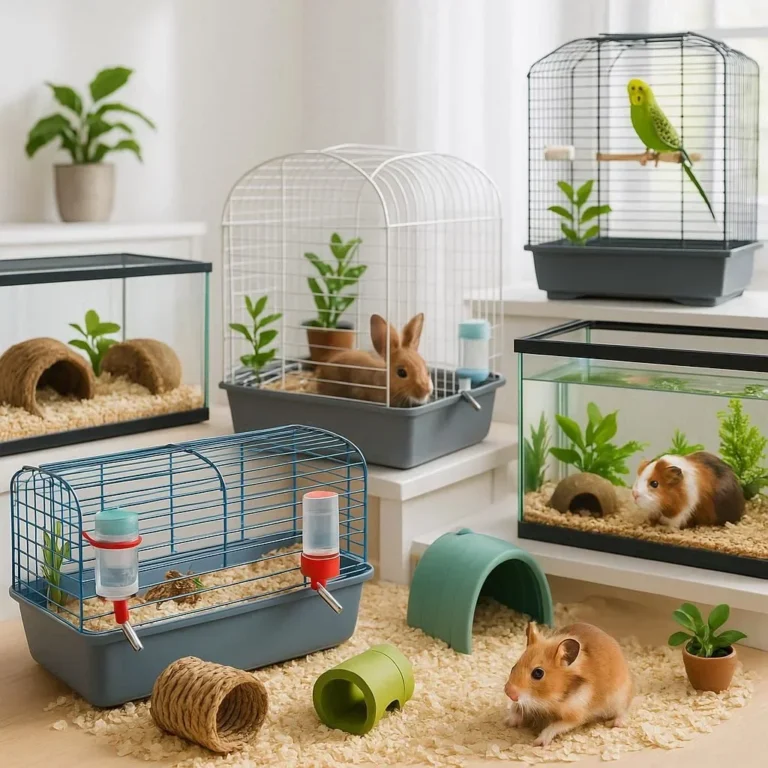
Even the most relaxed animal needs a secure, appropriately sized enclosure. For low‑energy pets, the focus is on comfort, safety, and easy maintenance rather than expansive play areas. General guidelines include:
- Size matters: Provide at least 2 square feet per guinea pig or chinchilla; ferrets benefit from a multi‑level cage with tunnels.
- Materials: Choose chew‑proof bars (metal or coated wood) and non‑toxic bedding such as paper‑based substrates.
- Temperature control: Maintain a stable ambient temperature (65‑75°F for most small mammals; 78‑80°F for bettas).
- Ventilation and humidity: Adequate airflow prevents respiratory issues; a humidity level of 40‑60% is ideal for reptiles like leopard geckos.
- Enrichment: Include hideouts, chew toys, and low‑profile climbing structures to satisfy natural instincts without encouraging high‑energy activity.
According to the CDC’s rodent safety guidelines, regular cleaning and proper ventilation are crucial to prevent zoonotic diseases. For fish, the ASPCA’s small‑pet care page recommends using a filtered tank with a cover to limit water evaporation.
Feeding and Nutrition Tips
Nutrition directly influences energy levels and longevity. Low‑energy small pets thrive on diets that are high in fiber, moderate in protein, and low in fat. Below are species‑specific recommendations:
Guinea Pigs and Chinchillas
Supply unlimited hay (timothy or orchard), a daily portion of fresh leafy greens, and a measured amount of fortified pellets. Vitamin C supplementation is essential for guinea pigs, as they cannot synthesize it internally.
Ferrets
Offer high‑protein, grain‑free ferret kibble and occasional raw or cooked meat. Ferrets have a rapid metabolism and benefit from multiple small meals throughout the day.
Betta Fish
Feed specialized betta pellets or frozen bloodworms 2‑3 times per week; over‑feeding can cause water quality problems.
Leopard Geckos
Provide appropriately sized live insects (crickets, mealworms) dusted with calcium powder every other feeding, and a gut‑loading regimen to ensure nutritional balance.
For detailed nutritional guidelines, the National Institutes of Health article on small‑animal diets offers evidence‑based recommendations.
Health, Socialization, and Enrichment
Even low‑energy pets require routine health monitoring to catch issues early. Observe coat condition, appetite, and activity patterns daily. Veterinary check‑ups should occur at least once a year, with more frequent visits for seniors or species prone to specific ailments (e.g., dental overgrowth in guinea pigs).
Social interaction enhances well‑being. Guinea pigs are herd animals and benefit from a companion, while ferrets enjoy regular play sessions with safe toys. However, it’s important not to overstimulate; short, calm interaction periods maintain their low‑energy nature.
Enrichment doesn’t have to be elaborate. Simple activities like rotating tunnel arrangements, providing a fresh hideout, or offering a new scent (e.g., a dab of safe essential oil) can keep pets mentally engaged without increasing their activity level.
When in doubt, consult a veterinarian experienced in exotic or small‑animal care. Many universities, such as the UC Davis School of Veterinary Medicine, provide resources and specialist directories.
Conclusion
Choosing a cute low-energy small pet can enrich your life without demanding excessive time or space. By assessing species traits, setting up a safe habitat, delivering balanced nutrition, and maintaining regular health checks, you create a harmonious environment for both pet and owner. Ready to bring home a gentle companion? Explore reputable breeders or local shelters today, and start the rewarding journey of low‑energy pet ownership. Take the first step now and give a cuddly, calm friend a loving home!
Frequently Asked Questions
Q1. What makes a pet considered low‑energy?
Low‑energy pets are species that naturally require minimal daily exercise and thrive in smaller enclosures. They tend to have slower metabolisms, enjoy short activity bursts followed by long rest periods, and need less intensive grooming. This makes them ideal for busy owners or limited living spaces.
Q2. Are guinea pigs suitable for apartment living?
Yes, guinea pigs adapt well to apartments as long as they have a proper cage size, regular hay, and social interaction. They are quiet, sociable, and thrive when kept in pairs or groups.
Q3. How often should I clean a betta fish tank?
For a small betta tank, perform a partial water change of about 25‑30% every week and clean the substrate and decorations monthly to maintain water quality.
Q4. What temperature range is best for leopard geckos?
Leopard geckos prefer a warm side of 88‑92°F (31‑33°C) and a cooler side around 75°F (24°C). Maintaining this gradient supports proper digestion and activity.
Q5. How can I provide enrichment without overstimulating a low‑energy pet?
Introduce simple enrichment like rotating hideouts, chew toys, or scent items for short periods. Keep play sessions calm and brief, typically 5‑10 minutes, to avoid excess excitement.