Adorable Cats That Adapt Easily Indoors
Adorable Cats That Adapt Easily Indoors are the perfect choice for anyone looking to add a feline friend to a busy household or a small apartment. These indoor-friendly breeds combine charm with a temperament that thrives on limited space, making them ideal for city living. Whether you’re a single professional, a family with children, or someone who simply wants a companion that feels at home indoors, understanding how to select and care for a cat that adapts neatly to an indoor environment can transform your living experience.
Adorable Cats That Adapt Easily Indoors: The Ideal Family Companion
A key factor in indoor success is the cat’s ability to handle a high-stimulation environment. For instance, cats with a strong play drive or those that respond well to interactive toys can be kept mentally stimulated by playing with cat trees and puzzle feeders. A well-structured environment minimizes destructive behavior and ensures the cat’s safety within the home. The combination of affection, confidence, and curiosity ultimately positions a cat as a calm influence in a bustling household.
Top 5 Adorable Cats That Adapt Easily Indoors
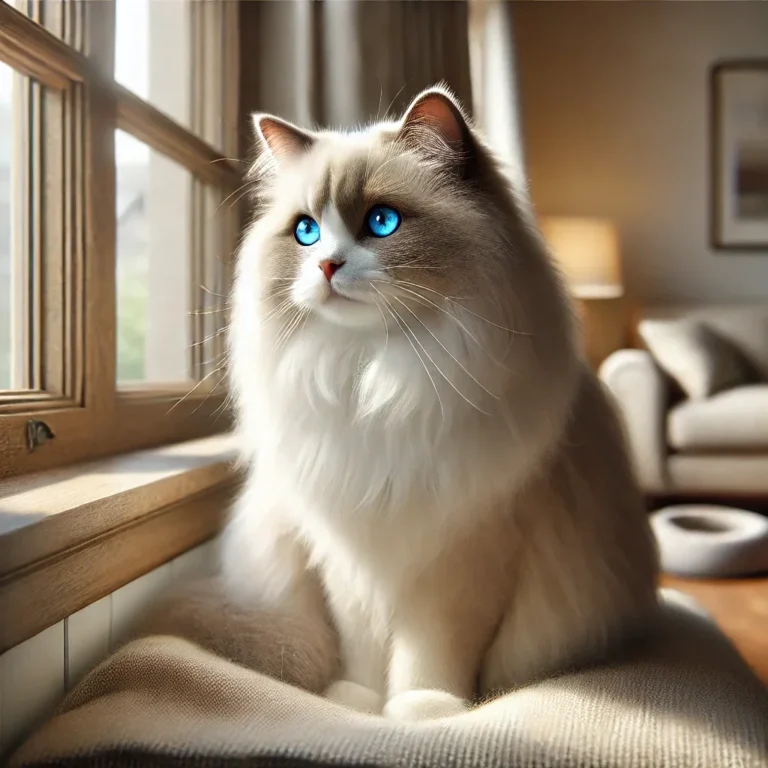
- Ragdoll – Known for its gentle nature and floppy, relaxed posture, the Ragdoll is exceptionally indulgent. We recommend consulting the Wikipedia entry for breed specifics. Ragdolls welcome indoor environments, often following their owners around, and love to be held—making them a perfect “lap cat.”
- Bengal – Bengals possess a striking, wild appearance yet maintain a friendly, affectionate demeanor. The Bengal page notes their intelligence and playfulness, traits that thrive when complemented with strategies such as interactive toys and safe window view. Bengals appreciate a calm indoor routine, especially if playful stimulation is balanced with quiet moments.
- Sphynx – The hairless Sphynx cat’s unique look and love for warmth make it a stand‑out choice. According to the Sphynx entry, they enjoy gentle handling and thrive on human affection. They adapt to indoor life easily, provided they have a warm spot and plenty of gentle interaction.
- Maine Coon – Though recognized for their large size, Maine Coons have a surprisingly even temperament. They are affectionate, playful, and enjoy exploring vantage points, making them social companions who grace any indoor setting. The Maine Coon page outlines their laid‑back personality and easy adaptability.
- British Shorthair – This breed is widely admired for its calm demeanor and low‑maintenance grooming needs. British Shorthairs are sturdy yet tolerant of various household dynamics, which makes them dependable indoor cats. Their attachment to familiar routines and limited need for excessive playtime ensure they remain content indoors.
How to Facilitate Indoor Success for Adorable Cats That Adapt Easily Indoors
- Enrichment: Provide a variety of toys—laser pointers, feather wands, and mechanical mice—to invite playful activity. Incorporate vertical spaces like cat trees to satisfy their climbing instinct.
- Comfort Zones: Place soft blankets or cat‑friendly mats in sunny spots and near quiet corners. These rest areas enable cats to find safe sleeping locations at all times.
- Litter Box Management: Keep the litter box clean and odor‑free. The Humane Society resource explains litter-choice options and placement guidelines.
- Quality Diet and Hydration: Offer balanced commercial cat food under veterinary guidance. Provide fresh water in aromatic fountains or multiple small bowls for increased intake.
- Routine Vet Care: Schedule yearly check-ups with your local veterinary practice and maintain vaccination up‑to‑date. Consult the AAFP blog for additional feline health advice.
Creating a predictable daily rhythm—feeding, playtime, and affectionate interactions—helps indoor cats anticipate what to expect and reduces stress-related behaviors. Use these cues to reinforce positive habits that will cement the bond between you and your new pet.
Understanding the Cat’s Social Needs and Habits
Most indoor cats thrive when they receive a mix of individual play and supervised human interaction. A core rule relies on stimulus: plenty of curiosity, interactive play, and safe environmental opportunities. In practice, daily engagement triggers a cycle of choice‑based behavior, preventing boredom and fostering long‑term contentment.
Frequently Asked Questions
Q1. What traits make a cat suitable for indoor living?
An indoor-friendly cat typically shows a calm temperament, enjoys human interaction, and is comfortable in confined spaces. These cats adapt to routine, handle play times, and show less inclination to scratch enclosures. The ability to tolerate being close to humans makes them good family companions, especially in apartments.
Q2. Which breeds are best for small apartments?
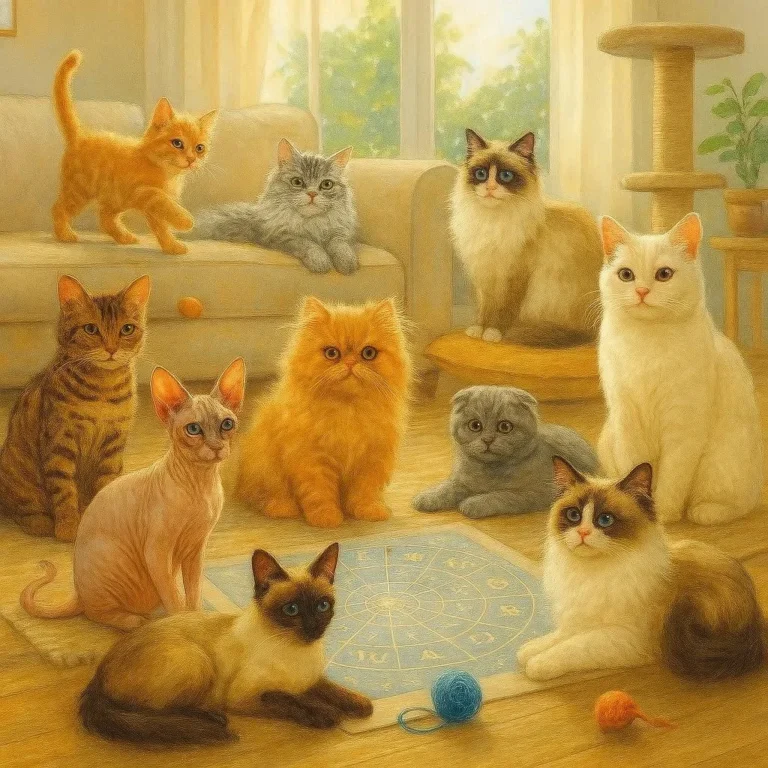
The list includes Ragdoll, Bengal, Sphynx, Maine Coon, and British Shorthair—each known for their adaptability and affection. Ragdolls are gentle and lap-friendly; Bengals are playful yet manageable with the right toys. Sphynx cats thrive on warmth and human contact, Maine Coons are surprisingly sociable, and British Shorthairs enjoy routine and calm.
Q3. What enrichment activities help indoor cats avoid boredom?
Interactive toys such as laser pointers, feather wands, and puzzle feeders keep mental stimulation high. Building vertical play areas with cat trees lets cats satisfy their climbing instinct. Regularly rotating toys and providing safe windows gives a natural view without risking escape.
Q4. How often should I care for my indoor cat’s litter box?
Clean the litter box at least once a day and scoop it fully weekly. Replace litter regularly to maintain odor control and follow recommendations from the Humane Society for litter type and placement. This hygiene routine prevents behavioral issues and keeps your home smelling fresh.
Q5. Are indoor cats prone to specific health issues?
Yes. Indoor cats may develop obesity, dental problems, or urinary tract disorders if diets are not balanced. They can also experience stress due to limited stimulation. Regular veterinary checkups allow early detection and appropriate preventive measures to maintain their wellbeing.