Cute Small Pets
When you think about adding a new member to your household, the idea of a Cute Small Pets with Calm Temperament often tops the list. Many prospective owners seek companions that fit easily into apartments, require modest space, and respond to handling with gentle composure. This guide explores four of the most beloved, low‑maintenance options that consistently rank among the quietest household pets. By focusing on temperament, care requirements, and realistic expectations, you’ll be equipped to choose a small companion animal that brings serenity rather than stress.
Gentle Rabbits: The Quiet Hoppers
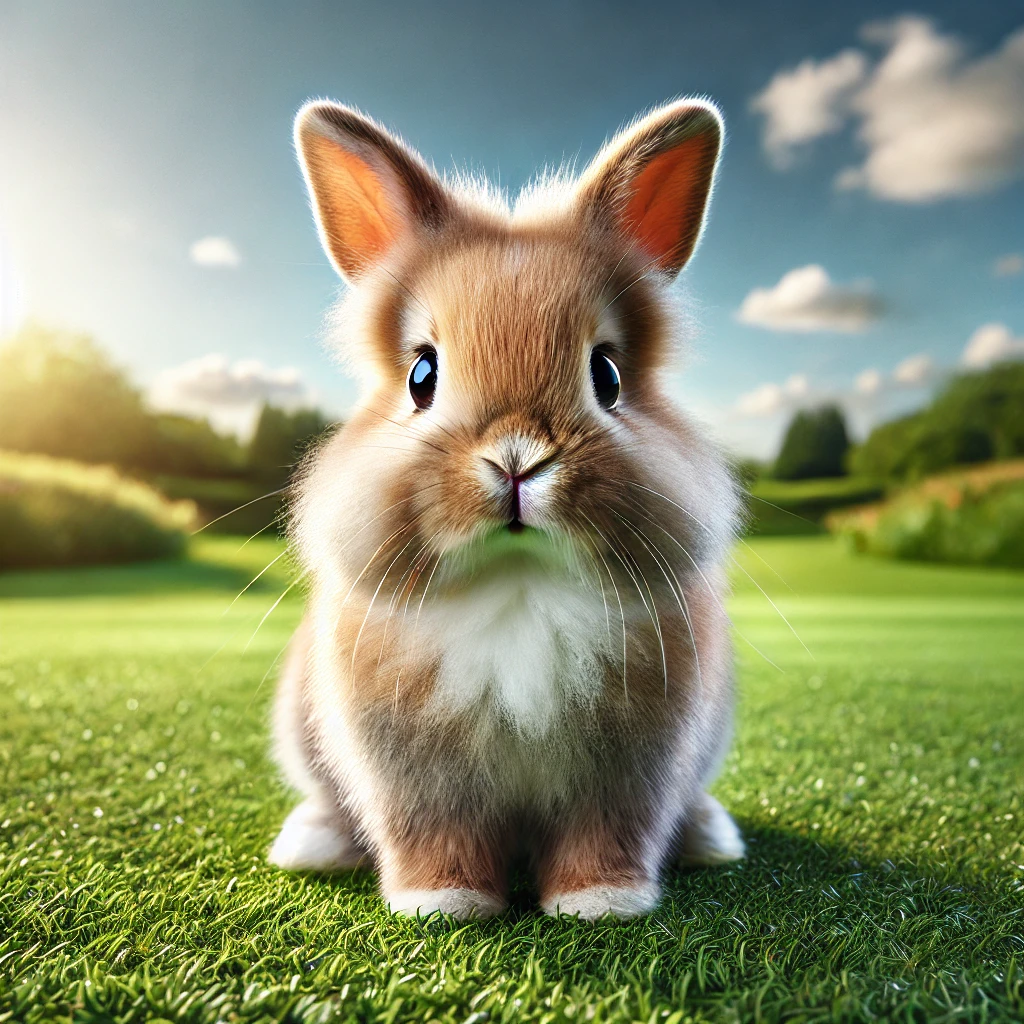
Rabbits are perhaps the most iconic small companion animals that combine cuteness with a calm demeanor. Breeds such as the Holland Lop and Mini Rex are celebrated for their docile nature and tolerance of gentle handling. According to the Wikipedia entry on rabbits, these diminutive lagomorphs are crepuscular, meaning they are most active at dawn and dusk, which often aligns well with a human’s daily routine. Their quiet chewing and soft footfalls make them ideal for shared living spaces.
Key considerations for rabbit owners include:
- Housing: A spacious indoor hutch or a rabbit‑proofed room to allow free movement.
- Diet: Unlimited fresh hay, measured portions of high‑fiber pellets, and daily leafy greens.
- Social Interaction: Rabbits thrive on regular, gentle petting and can form strong bonds with their owners.
Because rabbits are naturally timid, a calm environment reduces stress‑induced health issues like gastrointestinal stasis. Providing a quiet corner, soft bedding, and consistent routines helps maintain their serene temperament.
Guinea Pigs: Social Yet Serene
Guinea pigs, also known as cavies, are another top pick for those seeking a quiet household pet. Their soft vocalizations—gentle wheeks and purrs—are far less disruptive than barking or chirping. The Wikipedia page on guinea pigs notes that these rodents are herd animals, which means they feel safest when kept in pairs or small groups. Their calm nature shines when they are provided with companionship, regular handling, and a stable environment.
Care tips to preserve their tranquil temperament include:
- Maintain a temperature‑controlled space (65‑75°F) to avoid heat stress.
- Offer a diet rich in vitamin C through fresh bell peppers, kale, and fortified pellets.
- Provide chew toys and tunnels to satisfy natural foraging instincts without excessive activity.
Regular grooming, such as nail trimming and occasional brushing for long‑haired breeds, also contributes to a relaxed pet that enjoys human interaction.
Hedgehogs: The Small Spiky Calm
If you prefer a pet that is both cute and low‑maintenance, the African dwarf hedgehog may be an unexpected but rewarding choice. Despite their prickly exterior, hedgehogs are naturally solitary and tend to be quiet, making them suitable for apartments where noise is a concern. The Wikipedia article on hedgehogs explains that they are nocturnal, but they spend much of the night calmly nestled in a hideaway, waking only briefly for brief foraging.
To keep a hedgehog calm and healthy, consider these best practices:
- Enclosure: A spacious, well‑ventilated cage with a solid bottom and plenty of hiding spots.
- Temperature: Maintain a consistent environment between 72°F and 80°F to prevent hibernation attempts.
- Diet: High‑protein dry food formulated for hedgehogs, supplemented with occasional insects or cooked egg.
Regular, gentle handling helps desensitize them to human touch, fostering a trustful relationship that reduces defensive spiking and encourages calmness.
Chinchillas: Soft‑Furred Calm Companions
Chinchillas are prized for their ultra‑soft coat and laid‑back character. Native to the Andes, these rodents have adapted well to indoor life when provided with appropriate enrichment. The Wikipedia entry on chinchillas highlights their preference for cool, dry conditions and their tendency to be quiet, making them ideal for calm‑seeking owners.
Essential steps to nurture a calm chinchilla include:
- Housing them in a large, multi‑level cage with chew‑proof bars and a dust bath for grooming.
- Keeping ambient temperature below 75°F to prevent overheating, as chinchillas cannot sweat.
- Feeding a high‑fiber diet of premium hay, limited pellets, and occasional treats like dried rose hips.
Because chinchillas are social, spending time each day out of the cage for supervised play encourages them to remain relaxed and reduces the likelihood of stress‑related aggression.
Choosing the Right Calm Pet for Your Lifestyle
Before you bring home a cute small pet with calm temperament, match the animal’s needs with your living situation. Consider factors such as daily time commitment, space constraints, and any household allergies. All four animals described above thrive in environments that prioritize consistency, gentle handling, and minimal sudden changes.
For further reading on creating a pet‑friendly home, the ASPCA’s pet‑care guide offers evidence‑based advice on nutrition, housing, and health monitoring for small companion animals.
Conclusion: Embrace Calm Companionship Today
Adding a quiet household pet can transform your living space into a sanctuary of gentle companionship. Whether you opt for a hopping rabbit, a chatty‑yet‑soft guinea pig, a spiky but serene hedgehog, or a cloud‑like chinchilla, each brings a unique blend of cuteness and calm that fits comfortably into modern homes. Take the first step toward a more tranquil lifestyle—research the options, prepare a suitable environment, and welcome a calm small pet into your life today.