Adorable Pet Birds Guide
Adorable Pet Birds are more than just colorful companions; they bring calm, joy, and a touch of nature into our homes. If you’re looking for a feathered friend that won’t demand constant attention, these gentle‑habited species are perfect. In this guide, we’ll explore four of the most beloved pet birds that combine charm with a relaxed temperament, making them ideal for families, first‑time owners, and anyone seeking a low‑maintenance, friendly companion.
Adorable Pet Birds: The Gentle Parakeet
The budgerigar, commonly known as the parakeet, is a staple in bird‑keeping households worldwide. These small, bright birds are celebrated for their playful nature and surprisingly calm demeanor when properly socialized. Parakeets thrive on routine and gentle interaction, making them a wonderful choice for those who want a lively yet manageable pet.
- Daily Interaction: Spend 10–15 minutes each day talking or singing to your parakeet. This builds trust and reduces anxiety.
- Balanced Diet: Offer a mix of seed, fresh greens, and occasional fruit. Avoid high‑fat treats.
- Enrichment: Rotate toys and provide a safe, unsupervised window perch to keep them mentally stimulated.
- Health Checks: Inspect feathers for parasites and monitor droppings for consistency.
For more detailed care instructions, the Wikipedia page on budgerigars offers a comprehensive overview.
Adorable Pet Birds: The Calm Cockatiel
Cockatiels are renowned for their affectionate nature and gentle habits. Unlike many parrots, they are less demanding of constant attention, yet they still enjoy companionship and light conversation. Their soft, melodic chirps can become a soothing soundtrack to your day.
Key care tips include:
- Socialization: Introduce your cockatiel to new people slowly, allowing them to sniff and observe before interaction.
- Exercise: Provide a safe flight space or a large, bird‑proof room for daily exercise.
- Nutrition: Feed a balanced diet of seed mix, fresh vegetables, and a small amount of fruit.
- Health Monitoring: Watch for signs of feather plucking or respiratory issues; consult a vet if concerns arise.
Learn more about cockatiel care from the Wikipedia entry on cockatiels and the Cornell Lab of Ornithology for expert insights.
Adorable Pet Birds: The Soft‑Voiced Lovebird
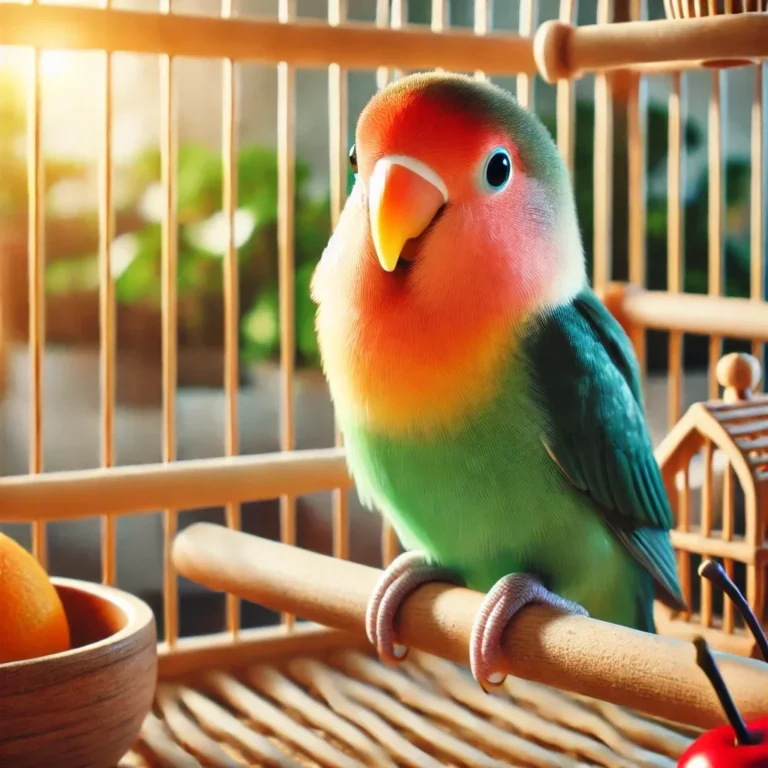
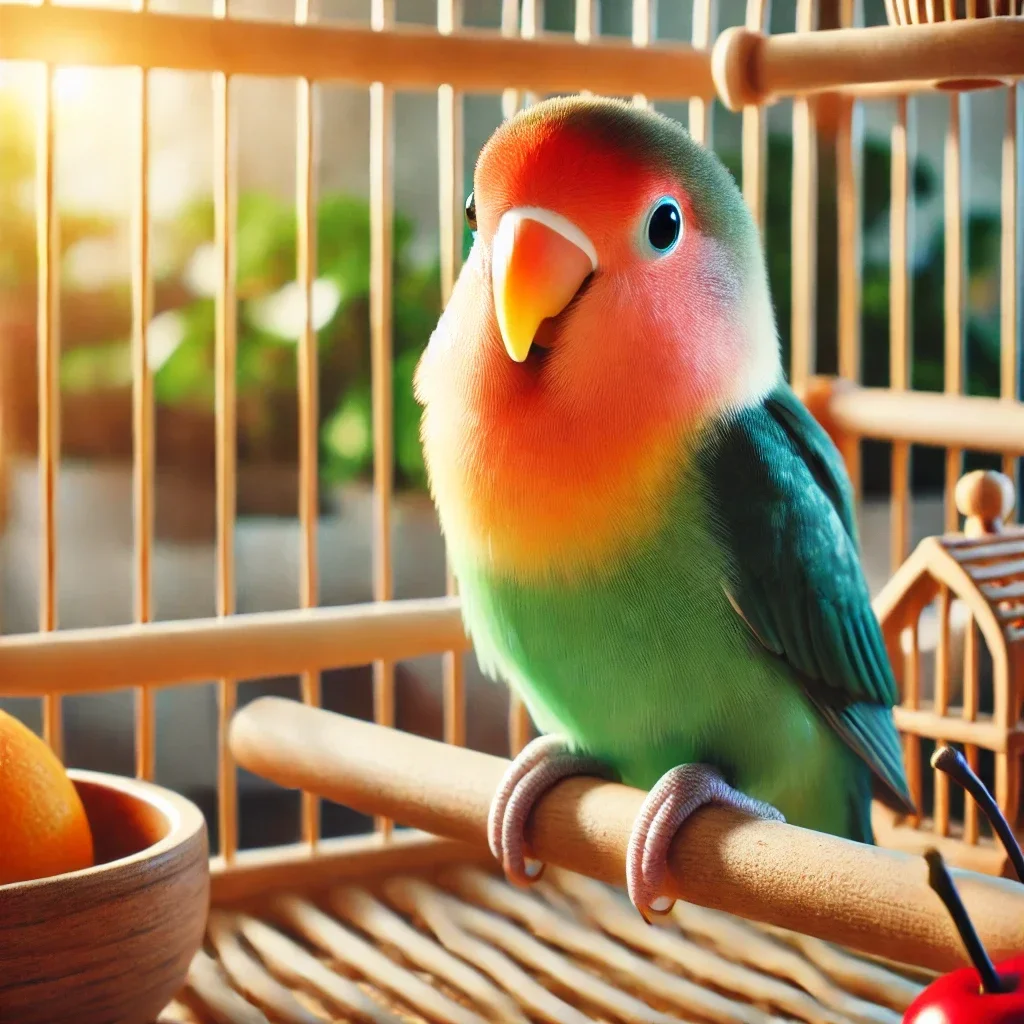
Lovebirds are small parrots that embody affection and gentle habits. Their name reflects their tendency to form strong bonds with their owners, often displaying a calm, affectionate demeanor. They are ideal for those who want a bird that is both engaging and relatively low‑maintenance.
Essential care guidelines:
- Bonding Time: Spend at least 20 minutes daily interacting, using gentle voice and slow movements.
- Dietary Needs: Offer a seed mix supplemented with fresh greens and occasional fruit.
- Environmental Enrichment: Provide perches of varying textures and safe chew toys.
- Health Vigilance: Monitor for signs of feather loss or changes in appetite.
For a deeper dive into lovebird care, visit the Wikipedia page on lovebirds and the Avian Health Organization for reliable health resources.
Adorable Pet Birds: The Quiet Quaker Parrot
Quaker parrots, or monk parakeets, are known for their quiet, gentle nature and low vocalization. They are highly intelligent yet prefer a calm environment, making them suitable for apartment living or households with children. Their soft habits and affectionate personality make them a standout choice for pet lovers seeking a serene companion.
Key points for caring for a Quaker parrot:
- Social Interaction: Offer daily gentle conversation and light handling to build trust.
- Diet: Provide a balanced seed mix, fresh vegetables, and occasional fruit.
- Enrichment: Rotate toys and provide a safe, unsupervised window perch for natural exploration.
- Health Checks: Regularly inspect for feather condition and monitor droppings for consistency.
Additional resources include the Wikipedia entry on monk parakeets and the Avian Health Organization for health guidelines.
Conclusion: Embrace the Gentle Joy of Adorable Pet Birds
Choosing an Adorable Pet Bird with gentle habits can transform your living space into a haven of calm and companionship. Whether you opt for the playful parakeet, the affectionate cockatiel, the loving lovebird, or the quiet Quaker parrot, each species offers a unique blend of charm and low‑maintenance care. By following the care tips outlined above and staying informed through reputable sources, you’ll ensure a healthy, happy relationship with your feathered friend.
Ready to welcome a gentle, feathered companion into your home? Explore reputable breeders, rescue organizations, and local avian veterinarians today to find the perfect Adorable Pet Bird for you.
Frequently Asked Questions
Q1. What makes a bird suitable as a low‑maintenance pet?
A low‑maintenance bird typically has a calm temperament, requires minimal daily interaction, and can thrive on a simple diet. Species like budgerigars, cockatiels, lovebirds, and Quaker parrots fit this profile. They are also less prone to loud vocalizations, making them ideal for shared living spaces. Regular health checks and a clean cage keep them happy without constant attention.
Q2. How often should I interact with my Adorable Pet Bird?
Daily interaction of 10–20 minutes is sufficient for most species. This can include talking, singing, or gentle handling. Consistency builds trust and reduces anxiety. If you’re away for longer periods, consider a companion bird or enrichment toys.
Q3. What diet should I give my parakeet or cockatiel?
A balanced diet includes a seed mix, fresh greens, and occasional fruit. Avoid high‑fat treats and limit sugary snacks. Fresh water should be available at all times. Rotate foods to keep them interested and provide essential nutrients.
Q4. How can I prevent feather plucking in lovebirds?
Feather plucking often signals stress or boredom. Provide varied enrichment, such as perches, toys, and safe chew items. Ensure regular social interaction and a quiet environment. If plucking persists, consult a veterinarian for possible health or behavioral issues.
Q5. Are Quaker parrots good for apartment living?
Yes, Quaker parrots are quiet, intelligent, and adapt well to small spaces. They enjoy gentle handling and daily conversation. A safe flight area or a large, bird‑proof room is ideal. Their low vocalization makes them suitable for apartments with neighbors.