Cute Birds Beginner’s Guide
Choosing a pet bird can be an exciting yet daunting decision, especially for first‑time owners. The term Cute Birds often conjures images of bright plumage, playful chirps, and affectionate companionship. However, not all birds are created equal when it comes to ease of care, temperament, and suitability for a beginner’s home. This guide will walk you through the most beginner‑friendly species, essential care tips, and practical advice to help you welcome a feathered friend into your life with confidence.
Cute Birds: Easy Care Tips for New Owners
Before you pick a species, consider the basics that every Cute Birds owner must manage: space, diet, social needs, and health monitoring. A well‑planned environment reduces stress for both bird and owner, fostering a strong bond from day one.
- Space: Even small birds need a cage that allows for perching, flying, and exploration. A minimum of 18×18×18 inches is recommended for most pet birds.
- Diet: A balanced mix of seeds, pellets, fresh fruits, and leafy greens keeps your bird healthy. Avoid avocado, chocolate, and excessive sugary treats.
- Social Interaction: Birds thrive on companionship. If you’re away for long periods, consider a second bird or a dedicated playtime routine.
- Health Checks: Regular vet visits, especially to a specialized avian veterinarian, help catch issues early.
Cute Birds: Top 4 Beginner‑Friendly Species
Below are four species that combine manageable care with delightful personalities. Each species is accompanied by a quick fact sheet to help you decide which bird aligns best with your lifestyle.
- Budgerigar (Budgie) – Wikipedia
- Size: 7–8 inches
- Typical lifespan: 5–10 years
- Social: Highly interactive, learns simple words
- Diet: Seeds, pellets, fresh veggies
- Cockatiel – Wikipedia
- Size: 9–10 inches
- Typical lifespan: 10–15 years
- Social: Friendly, enjoys human touch
- Diet: Seeds, fruits, nuts, greens
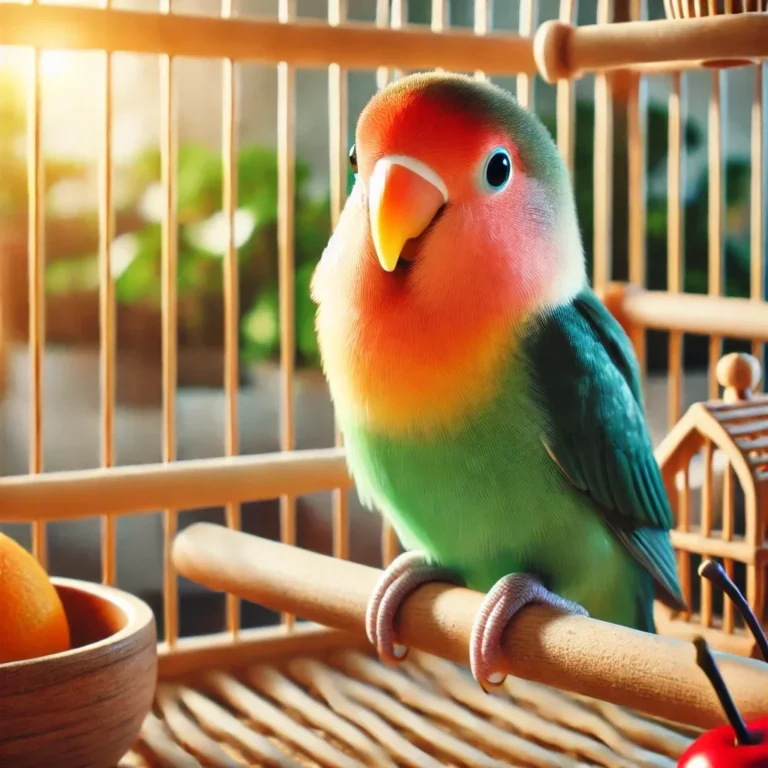
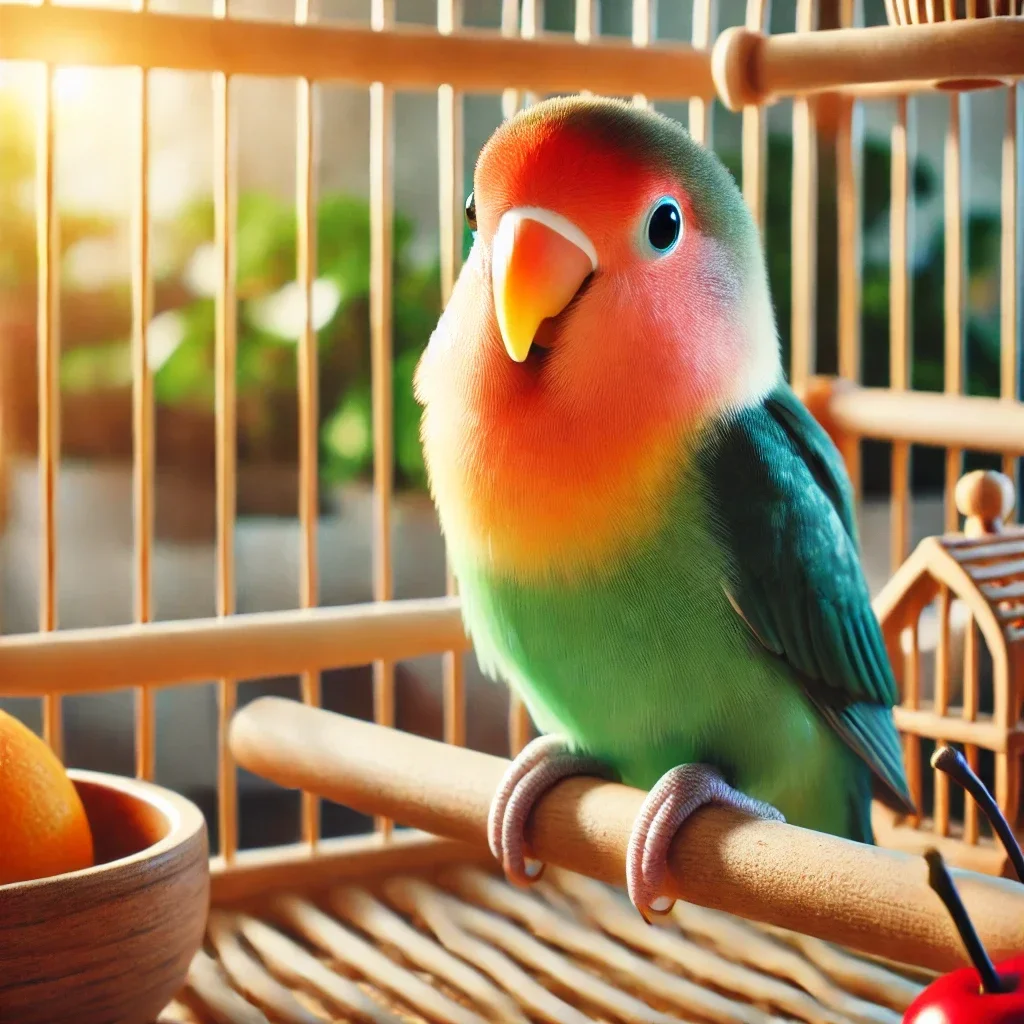
- Lovebird – Wikipedia
- Size: 5–6 inches
- Typical lifespan: 8–12 years
- Social: Pair bonding, affectionate
- Diet: Seeds, pellets, fresh fruit
- Canary – Wikipedia
- Size: 4–5 inches
- Typical lifespan: 7–10 years
- Social: Solitary, excellent singers
- Diet: Seeds, grains, occasional fruit
Cute Birds: Setting Up a Healthy Habitat
Creating a safe, stimulating environment is the cornerstone of bird ownership. Here’s a step‑by‑step checklist to ensure your new Cute Birds feel right at home.
- Cage Placement: Position the cage in a well‑lit area but away from direct drafts or heat sources. A window with a screen allows fresh air while keeping the bird safe.
- Perches: Offer a variety of perch sizes and textures to promote foot health. Natural wood perches are ideal.
- Enrichment: Rotate toys, hanging mirrors, and puzzle feeders to prevent boredom.
- Cleaning: Spot‑clean daily and perform a full cage wash once a week with a mild, bird‑safe cleaner.
- Safety: Remove toxic plants, secure loose wires, and keep the cage out of reach of curious pets.
Cute Birds: Feeding and Nutrition Essentials
Nutrition is a pivotal aspect of bird health. While seeds are a staple, they should not be the sole diet. A balanced mix of pellets, fresh produce, and occasional treats ensures optimal growth and longevity.
- Pellets: Provide a complete diet in one bite. Look for brands that list a high protein content and no artificial additives.
- Fresh Fruits & Vegetables: Offer a rainbow of options—carrots, spinach, blueberries, and apples (without seeds).
- Water: Change water daily and use a shallow dish to prevent drowning.
- Supplements: Calcium tablets or crushed eggshells can support bone health, especially for breeding pairs.
Cute Birds: Common Health Issues and Prevention
Early detection of health problems saves time, money, and heartache. Below are common ailments and how to spot them.
- Respiratory Infections: Symptoms include wheezing, sneezing, or nasal discharge. Maintain humidity and clean the cage to reduce risk.
- Parasites: Look for feather loss, itching, or visible bugs. Regular vet checks and proper hygiene help keep parasites at bay.
- Digestive Problems: Diarrhea or constipation can arise from diet changes. Offer a balanced diet and monitor water intake.
- Behavioral Stress: Sudden aggression or withdrawal may signal stress. Ensure adequate social interaction and enrichment.
Cute Birds: Building a Bond Through Interaction
Birds are social creatures that thrive on interaction. Building trust takes time, patience, and consistent routines.
- Hand‑Feeding: Start with small, safe foods to encourage trust.
- Talking: Mimic simple words and phrases; many birds learn to repeat sounds.
- Training: Use positive reinforcement to teach basic commands like “step up” or “come.”
- Daily Playtime: Allocate at least 30 minutes outside the cage for supervised exploration.
Cute Birds: Final Thoughts and Call to Action
Choosing a Cute Birds companion is a rewarding journey that blends responsibility with joy. By selecting a beginner‑friendly species, setting up a nurturing environment, and staying vigilant about health and nutrition, you’ll create a lasting bond that enriches both your lives.
Ready to bring home a feathered friend? Explore reputable breeders, rescue centers, or local avian clubs to find the perfect match. Remember, the right preparation today leads to a lifetime of chirps, cuddles, and shared adventures.
Take the first step—visit your local avian rescue organization or consult a certified avian vet to start your journey with confidence.
Frequently Asked Questions
Q1. What makes a bird species beginner-friendly?
A beginner-friendly bird is typically small to medium in size, has a calm temperament, and requires minimal specialized care. Species like budgerigars, cockatiels, and lovebirds are known for their easy handling and adaptability to home environments. They also tend to have shorter lifespans, which can be less daunting for new owners. Regular social interaction and basic training can further ease the learning curve.
Q2. How much space does a new bird need?
Most pet birds need a cage that is at least 18×18×18 inches for small species, but larger birds require bigger enclosures. The cage should allow for perching, flying, and exploration. A spacious cage reduces stress and encourages natural behaviors. Adding a play area outside the cage can also provide additional exercise.
Q3. What should I feed my Cute Bird?
A balanced diet includes a mix of high-quality pellets, fresh fruits, leafy greens, and occasional seeds. Avoid toxic foods like avocado, chocolate, and excessive sugary treats. Fresh water should be changed daily, and a shallow dish prevents drowning. Supplements such as calcium tablets can support bone health, especially for breeding pairs.
Q4. How often should I clean the cage?
Spot‑cleaning should be done daily to remove droppings and food debris. A full cage wash with a mild, bird‑safe cleaner is recommended once a week. Replace bedding and perches regularly to maintain hygiene. Consistent cleaning helps prevent respiratory infections and keeps the bird healthy.
Q5. How can I prevent common health issues?
Maintain proper humidity and ventilation to reduce respiratory infections. Regular vet check‑ups, especially with an avian specialist, catch early signs of parasites or digestive problems. Provide a varied diet and adequate enrichment to prevent behavioral stress. Monitor for symptoms like wheezing, feather loss, or sudden aggression and seek veterinary care promptly.