Cute Cats with Soft Temperament
Cute cats with soft temperament are the epitome of feline serenity. Their gentle purrs, calm demeanor, and affectionate nature make them ideal companions for families, seniors, and anyone seeking a peaceful pet. In this guide, we’ll explore what makes a cat soft-tempered, highlight popular breeds, share tips for nurturing a calm companion, and answer common questions about low‑maintenance, affectionate felines. Whether you’re a first‑time cat owner or looking to add a new member to your household, understanding the nuances of a soft‑tempered cat will help you choose the right match and create a harmonious home.
What Defines a Soft‑Tempered Cat?
A soft‑tempered cat is characterized by a calm, patient, and often affectionate disposition. These cats typically exhibit low levels of aggression, minimal vocalization, and a strong tolerance for handling and environmental changes. They thrive on routine, enjoy gentle petting, and are less likely to display the high‑energy antics seen in more excitable breeds. According to the Wikipedia entry on cat behavior, temperament is influenced by genetics, early socialization, and environmental factors, making early positive interactions crucial for developing a gentle personality.
Top Breeds Known for Their Gentle Nature
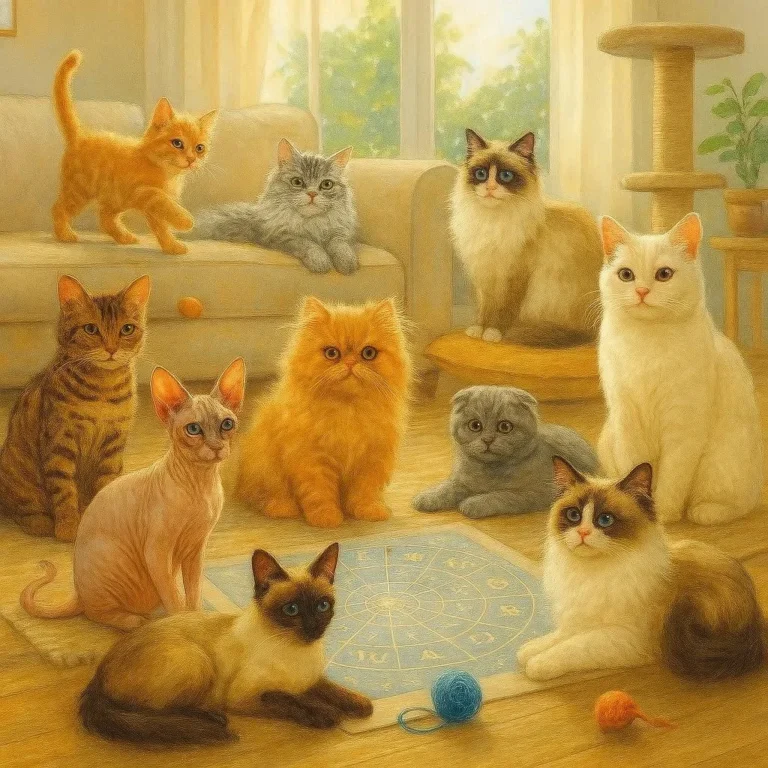
While individual personalities vary, certain breeds consistently rank high on the softness scale. Below is a list of breeds that are renowned for their calm and affectionate traits:
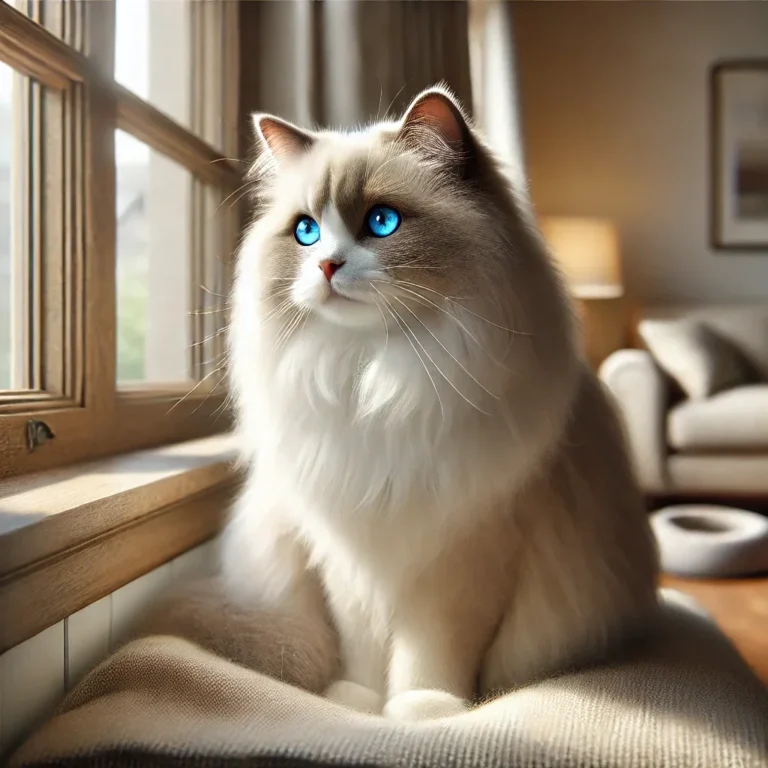
- Ragdoll – Known for their docile nature and tendency to go limp when held, Ragdolls are often called “puppy‑like” because they follow their owners around.
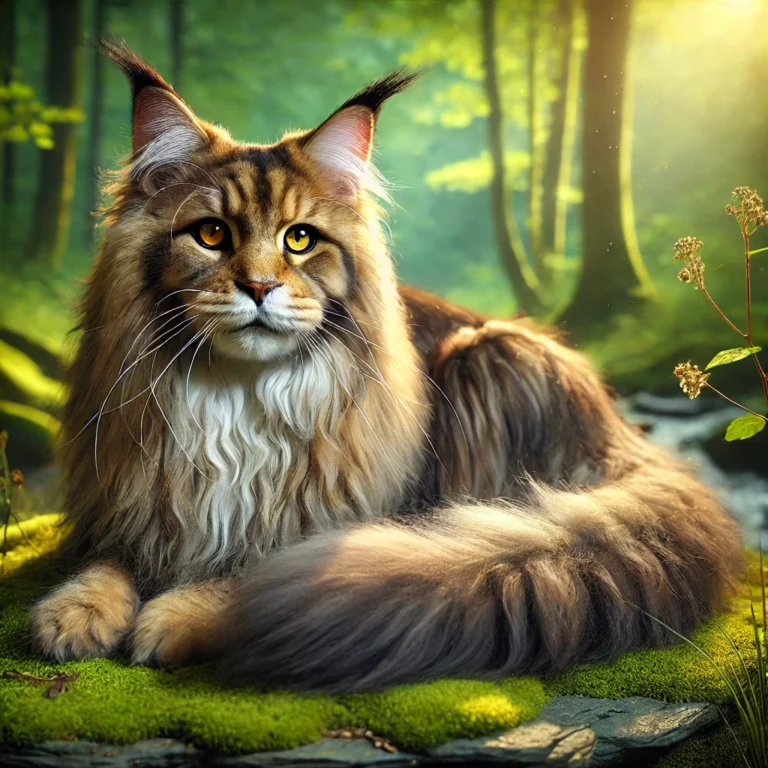
- Maine Coon – Despite their large size, Maine Coons are gentle giants, friendly, and tolerant of children and other pets.
- Burmese – These cats are social, affectionate, and enjoy being part of family activities without being overly demanding.
- British Shorthair – Calm, easygoing, and low‑maintenance, they make excellent companions for busy households.
- Sphynx – Their lack of fur encourages close contact, and they are typically very affectionate and playful in a gentle way.
For a deeper dive into breed characteristics, the Cat Fanciers’ Association provides comprehensive breed profiles that include temperament notes.
How to Foster a Calm Cat Personality
Even the most naturally gentle cat can develop stress‑related behaviors if not properly cared for. Below are evidence‑based strategies to nurture a soft temperament:
- Early Socialization – Expose kittens to a variety of people, sounds, and gentle handling before they are 12 weeks old. The Cornell University College of Veterinary Medicine emphasizes that early positive experiences reduce fear and aggression later in life.
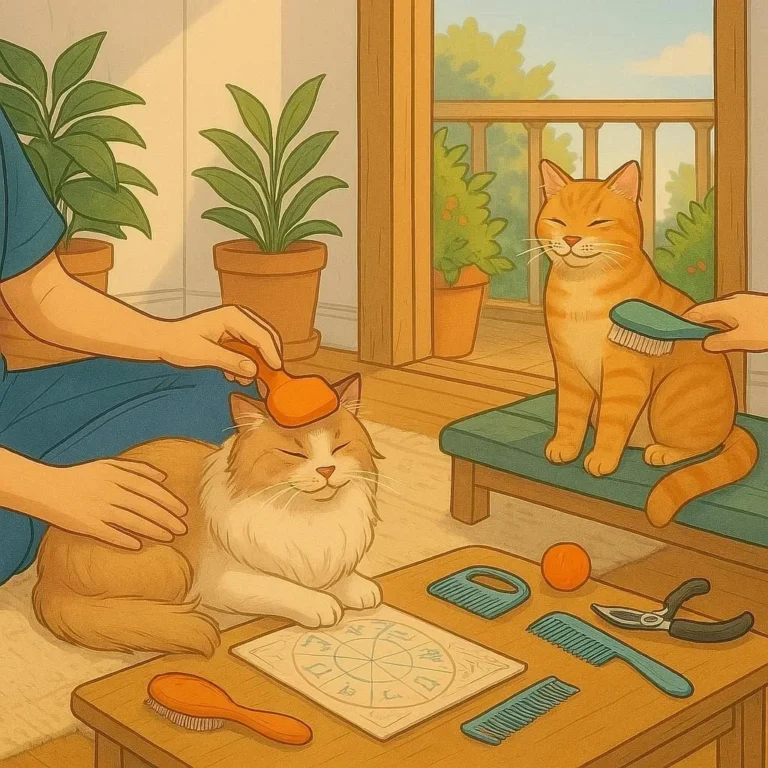
- Consistent Routine – Feed, play, and groom at the same times each day. Predictability lowers anxiety and promotes calmness.
- Gentle Handling – Use slow, soothing movements when petting or picking up your cat. Avoid sudden grabs or loud noises.
- Enrichment with Low‑Stress Toys – Provide puzzle feeders, feather wands, and soft scratching posts that encourage play without overstimulation.
- Quiet Environment – Keep the living space free from loud music, excessive traffic noise, and abrupt changes. A calm environment supports a calm cat.
Adopting a cat from a reputable shelter or rescue can also increase the likelihood of a soft temperament. Many shelters conduct temperament assessments and can match you with a cat that fits your lifestyle.
Common Myths About Soft‑Tempered Cats Debunked
There are several misconceptions that can lead to mismatched expectations. Let’s address the most common myths:
- Myth: Soft‑tempered cats are lazy. Reality: While they may be less hyperactive, they still require regular play and mental stimulation to stay healthy.
- Myth: All gentle cats are low‑maintenance. Reality: Gentle cats still need grooming, veterinary care, and enrichment. The term “low‑maintenance” refers to minimal grooming needs, not overall care.
- Myth: Soft cats won’t defend themselves. Reality: Even calm cats can exhibit defensive behavior if threatened. Proper socialization and safe spaces are essential.
Understanding these nuances helps you provide the right environment for a soft‑tempered cat to thrive.
Choosing the Right Soft‑Tempered Cat for Your Home
When selecting a cat, consider the following factors to ensure a harmonious match:
- Household Composition – If you have young children or other pets, a breed known for patience and tolerance is ideal.
- Time Availability – Even low‑maintenance cats need companionship. A calm cat that enjoys human interaction will thrive in a home with regular attention.
- Allergies – Some breeds, like the Sphynx, are hypoallergenic, which can be beneficial for allergy sufferers.
- Veterinary Support – Choose a vet experienced in feline behavior. The Humane Society offers resources for selecting a vet and understanding feline health.
By aligning your lifestyle with a cat’s temperament, you’ll create a lasting bond built on trust and affection.
Conclusion: Embrace the Calm Companion
Soft‑tempered cats bring a unique blend of affection, serenity, and companionship to any home. Whether you’re drawn to the gentle giant of the Maine Coon or the affectionate cuddle‑bug of the Ragdoll, a calm cat can enrich your life with steady companionship and low‑stress interactions. Remember to prioritize early socialization, consistent routines, and a quiet environment to nurture their gentle nature. If you’re ready to welcome a soft‑tempered feline into your life, start by researching reputable breeders or shelters, and consider the breeds highlighted above. Your future cat will thank you with endless purrs and a calm presence that turns any house into a home.
Ready to find your perfect soft‑tempered cat? Visit a local shelter or reputable breeder today and experience the joy of a gentle, affectionate companion.
Frequently Asked Questions
Q1. What makes a cat soft‑tempered?
A soft‑tempered cat is calm, patient, and generally low in aggression. They tend to vocalize less and are tolerant of handling and environmental changes. Genetics, early socialization, and a stable routine all contribute to this gentle disposition. These cats thrive on predictable schedules and gentle interactions. Their relaxed nature makes them ideal for households seeking a peaceful companion.
Q2. Which breeds are known for soft temperament?
Several breeds consistently rank high on the softness scale, including Ragdoll, Maine Coon, Burmese, British Shorthair, and Sphynx. Ragdolls are famously docile and often follow their owners around. Maine Coons, despite their size, are gentle giants that enjoy family life. Burmese are social and affectionate, while British Shorthairs are low‑maintenance and easygoing. Sphynx cats, with their lack of fur, crave close contact and are typically very affectionate.
Q3. How can I encourage a calm temperament in a new kitten?
Early socialization is key—expose kittens to people, sounds, and gentle handling before they reach 12 weeks. Consistent routines for feeding, play, and grooming help reduce anxiety. Use slow, soothing movements when petting or lifting your kitten. Provide low‑stress enrichment like puzzle feeders and feather wands. Keep the environment quiet and free from sudden changes to support a calm demeanor.
Q4. Are soft‑tempered cats low‑maintenance?
While they require less grooming than some breeds, soft‑tempered cats still need regular veterinary care, nutrition, and mental stimulation. Low‑maintenance refers mainly to minimal grooming needs, not overall care. They benefit from routine check‑ups and preventive health measures. Providing appropriate toys and a safe space keeps them content. Their calm nature means they are less likely to demand constant attention, but they still thrive on companionship.
Q5. Can a soft‑tempered cat still defend itself?
Yes, even calm cats can exhibit defensive behavior if they feel threatened. Proper socialization and safe spaces help mitigate this. Teaching owners how to read body language can prevent misunderstandings. A calm cat will usually retreat rather than attack, but it can still protect itself when necessary. Ensuring a secure environment reduces the likelihood of defensive incidents.