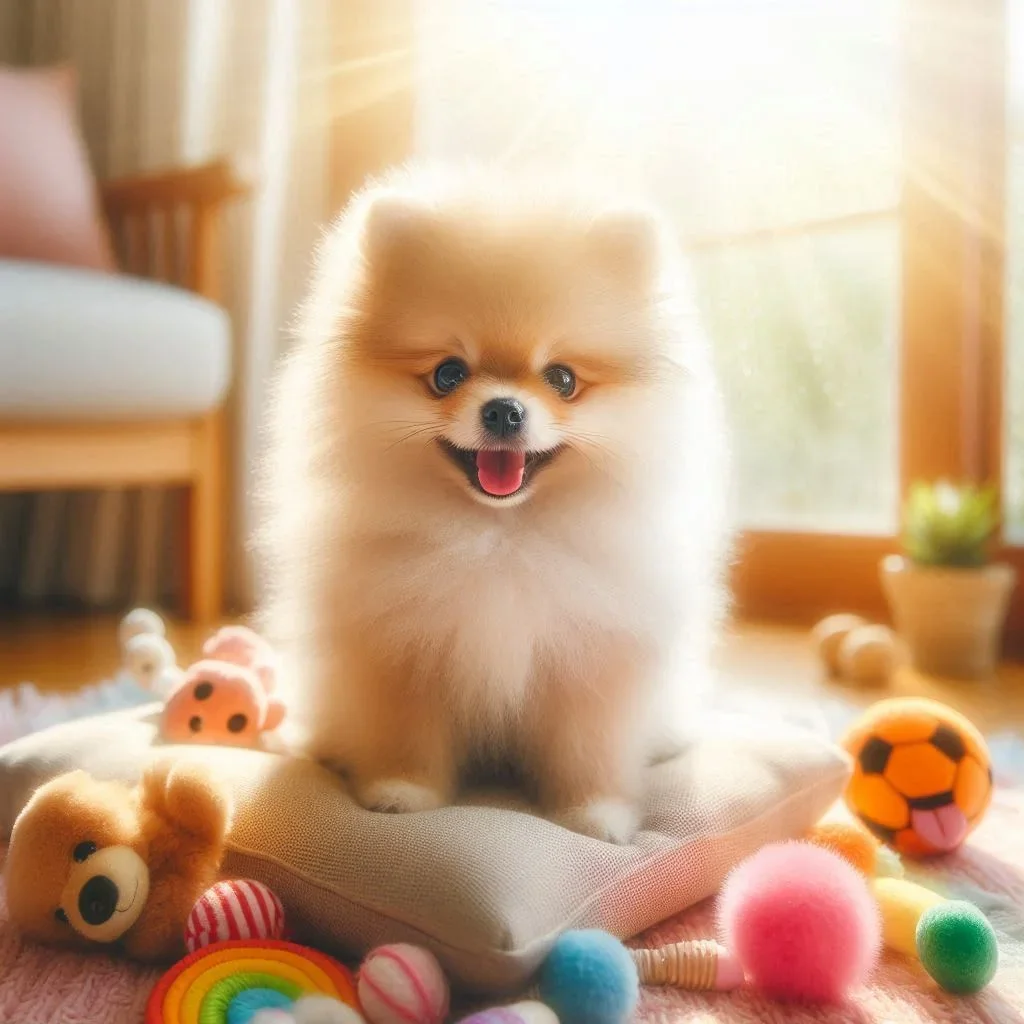
Adorable Mini Pets Big Personalities
When it comes to choosing a companion that fits comfortably in a small apartment or a cozy home, many people turn to Mini Pets for their charm and manageable size. These pint-sized animals bring a burst of personality that can rival their larger counterparts, offering endless entertainment, affection, and a unique bond that only a small pet can provide. In this guide, we’ll explore the most beloved mini pets, their distinct traits, and how to care for them so they thrive in your life.
Mini Pets: Tiny but Mighty
Mini pets come in a variety of species, each with its own set of quirks and endearing habits. From feathered friends to furry companions, the world of small animals is rich with options that can fit into any lifestyle. Below are some of the most popular mini pets that have captured the hearts of pet lovers worldwide.
- Miniature Schnauzer – A spirited dog that loves to play and is known for its intelligence.
- Budgerigar (Budgie) – A colorful parakeet that can mimic sounds and enjoys interactive play.
- Dwarf Hamster – A curious rodent that thrives on nighttime activity and gentle handling.
- Chinchilla – A soft‑furred rodent with a playful streak and a love for dust baths.
- Miniature Pig – A surprisingly intelligent and affectionate animal that can be trained like a dog.
Choosing the Right Mini Pet for Your Lifestyle
Before you bring a mini pet home, consider the following factors to ensure a harmonious match between your daily routine and the animal’s needs:
- Space Requirements – Even small pets need adequate space. A hamster cage, a birdcage, or a dog crate should be spacious enough for exercise and enrichment.
- Time Commitment – Some mini pets, like budgies, require daily interaction, while others, such as hamsters, are more independent.
- Allergies – If you or a family member has allergies, consider hypoallergenic breeds or species that shed minimally.
- Noise Levels – Birds can be noisy, whereas rodents are generally quiet. Match the noise level to your living environment.
- Longevity – Miniature Schnauzers can live 12–15 years, while hamsters typically live 2–3 years. Plan for the long term.
Essential Care Tips for Mini Pets
Providing proper care is crucial for the health and happiness of any mini pet. Below are key care guidelines that apply across most small animal species.
- Nutrition – Feed species‑specific diets. For example, a Miniature Schnauzer requires a balanced dog food, while a budgie needs a seed mix supplemented with fresh greens.
- Exercise – Even small animals need daily activity. A dog should walk daily; a hamster should have a running wheel; a bird should have a flight area.
- Social Interaction – Mini pets thrive on companionship. Spend time talking, playing, or simply being present.
- Health Checkups – Schedule regular vet visits. The American Veterinary Medical Association provides guidelines for small animal care.
- Enrichment – Provide toys, puzzles, and safe objects to keep your pet mentally stimulated.
Understanding Mini Pet Personalities
One of the most delightful aspects of mini pets is their distinct personalities. Below are common traits you might observe in each of the popular mini pets listed earlier.
- Miniature Schnauzer – Energetic, loyal, and highly trainable. They enjoy learning tricks and often excel in obedience training.
- Budgerigar – Curious, social, and vocal. Budgies love to mimic sounds and can develop a strong bond with their owner.
- Dwarf Hamster – Independent, nocturnal, and playful. They enjoy exploring tunnels and can be trained to come when called.
- Chinchilla – Gentle, affectionate, and surprisingly social. They enjoy gentle petting and can be trained to respond to their name.
- Miniature Pig – Intelligent, friendly, and highly trainable. They can learn commands, use a litter box, and even fetch.
Adopting a Mini Pet: Where to Start
Adoption is a wonderful way to give a mini pet a loving home. Many shelters and rescue organizations specialize in small animals. The Petfinder website is a reliable resource for locating adoptable mini pets in your area. When adopting, consider the following steps:
- Research reputable shelters or rescue groups that focus on the species you’re interested in.
- Visit the facility to meet the animal and ask about its health history.
- Ask about the animal’s temperament and any special care requirements.
- Complete the adoption application and prepare your home for the new arrival.
- Schedule a vet visit soon after adoption to ensure the pet’s health.
Conclusion: Embrace the Joy of Mini Pets
Mini pets are more than just small animals; they are vibrant companions that bring joy, laughter, and a touch of adventure into everyday life. Whether you’re drawn to the playful antics of a hamster, the melodic chatter of a budgie, or the loyal companionship of a miniature dog, there’s a mini pet out there ready to share its big personality with you. By choosing the right species, providing proper care, and fostering a loving environment, you can enjoy a rewarding relationship that lasts for years.
Ready to find your perfect mini pet? Explore local shelters, research species, and take the first step toward a lifelong friendship today!
Frequently Asked Questions
Q1. What makes mini pets a good choice for apartment living?
Mini pets are ideal for apartments because they require less space and are generally quieter than larger animals. Their smaller size means they can comfortably live in a cage, crate, or small enclosure, and many species are well-suited to indoor environments. Additionally, their lower maintenance needs—such as shorter walks for dogs or minimal grooming for rodents—make them convenient for busy city dwellers.
Q2. How often should I feed a mini pet?
Feeding schedules vary by species. Miniature Schnauzers typically eat twice a day, while budgerigars benefit from a daily mix of seeds and fresh greens. Hamsters and chinchillas are usually fed once or twice daily, and mini pigs often require a balanced diet similar to dogs, split into two meals. Always follow the specific dietary recommendations for your pet’s species.
Q3. Are mini pets suitable for families with children?
Many mini pets can thrive in family homes, but it depends on the child’s age and the pet’s temperament. Budgerigars and hamsters are generally safe with older children who understand gentle handling. Miniature Schnauzers and mini pigs can be excellent family companions if they are properly socialized and supervised during interactions.
Q4. What are the common health concerns for mini pets?
Common health issues include dental problems in small dogs, respiratory infections in birds, and obesity in rodents if overfed. Mini pigs may develop joint issues if not exercised. Regular veterinary check-ups, a balanced diet, and proper hygiene can help prevent many of these conditions.
Q5. How can I ensure my mini pet stays mentally stimulated?
Provide species-appropriate toys, puzzles, and enrichment activities. Miniature Schnauzers benefit from training sessions and interactive games. Budgerigars enjoy perches and chew toys, while hamsters and chinchillas need tunnels and chew blocks. Rotating toys and engaging with your pet daily keeps them mentally sharp.