Cute Birds Easy Taming Guide
Choosing a pet bird can be a delightful adventure, especially when you’re looking for a companion that’s both charming and approachable. Cute birds that are easy to tame offer a blend of personality, low maintenance, and the joy of feathered friendship. In this guide, we’ll explore the top species that are renowned for their friendly temperaments, share practical care tips, and help you decide which bird might be the perfect addition to your home.
1. Budgerigar (Budgie): The Friendly Companion
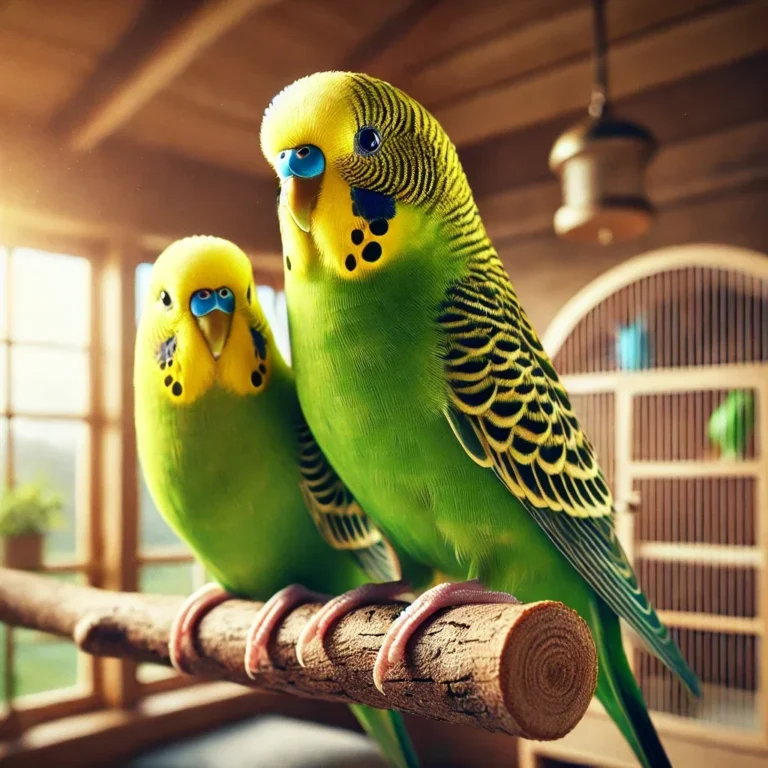
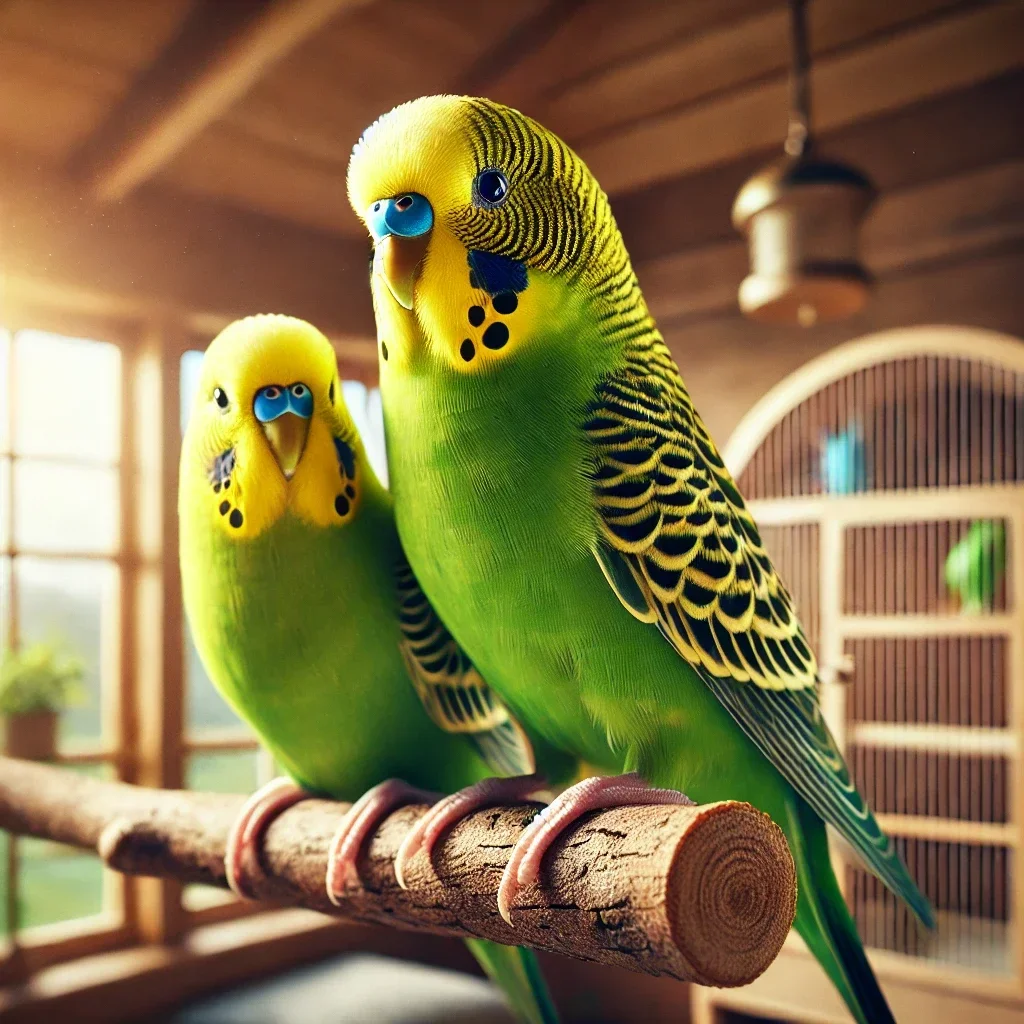
Budgerigars, commonly known as budgies or budgies, are small parrots that have captured the hearts of bird lovers worldwide. Their playful nature and ability to mimic human speech make them a popular choice for first‑time bird owners. Budgies thrive on social interaction, so they enjoy daily handling and gentle talking sessions. According to the Wikipedia entry on Budgerigar, these birds are highly adaptable and can live comfortably in a well‑provided cage or a spacious aviary.
Key traits that make budgies easy to tame include:
- Small size (about 12–13 cm) – ideal for apartment living.
- Short lifespan of 5–10 years, which allows for a manageable commitment.
- High vocalization, which encourages interaction and bonding.
- Low grooming needs – a quick wipe‑down and a clean water dish suffice.
To keep a budgie happy, provide a varied diet of seeds, fresh vegetables, and occasional fruit. Rotate toys and perches to stimulate curiosity and prevent boredom. Regularly trim their nails and check for feather condition to maintain good health.
2. Cockatiel: The Talkative Friend
With their distinctive crest and affectionate demeanor, cockatiels are a favorite among bird enthusiasts. They are known for their ability to whistle and mimic simple phrases, making them a delightful conversational partner. The Wikipedia page on Cockatiel highlights their social nature and adaptability to various living environments.
Why cockatiels are easy to tame:
- They thrive on human companionship and often seek out touch.
- They are less demanding than larger parrots, requiring fewer space and food.
- They can be trained to perform simple tricks, reinforcing positive behavior.
- They have a moderate lifespan of 10–15 years, offering a long-term bond.
When caring for a cockatiel, ensure they receive a balanced diet of seeds, pellets, and fresh greens. Provide a perch that is slightly larger than their foot span to prevent foot problems. Regularly engage in gentle handling sessions to build trust and reduce fear.
3. Lovebird: The Affectionate Partner
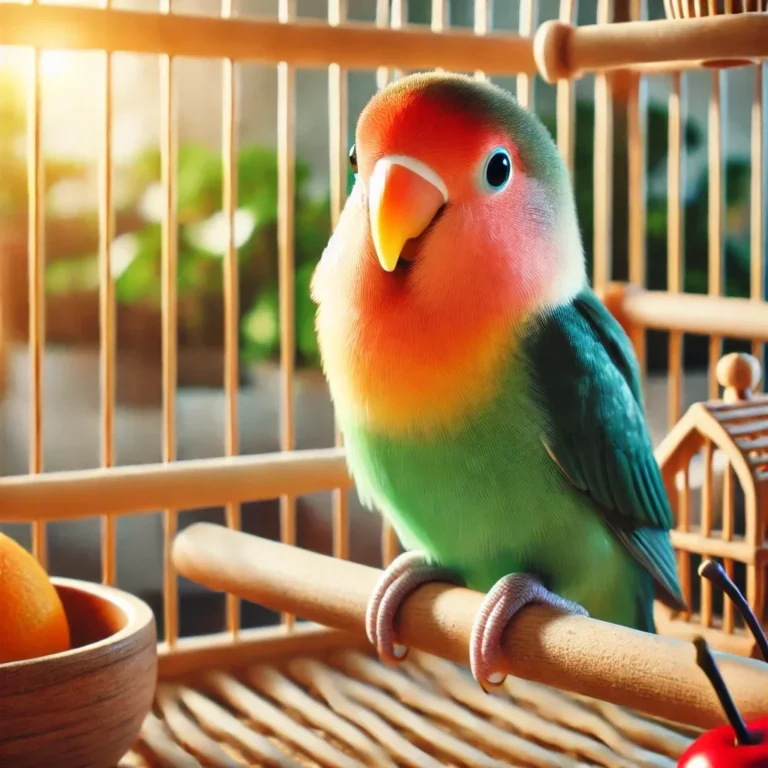
Lovebirds, belonging to the genus Agapornis, are renowned for their strong pair bonds and affectionate behavior. They are small, colorful, and highly social, making them a wonderful choice for families. The Wikipedia entry on Lovebird provides insight into their natural habitat and social dynamics.
Characteristics that facilitate taming:
- They enjoy being handled and often follow their owners around.
- They are relatively quiet, which reduces noise concerns.
- They can be trained to come when called, using positive reinforcement.
- They have a lifespan of 8–12 years, allowing for a stable companionship.
To keep a lovebird healthy, offer a diet rich in fresh fruits, vegetables, and high‑quality pellets. Rotate toys and provide a perching area that encourages natural climbing. Regularly check for feather plucking or other signs of stress, and adjust their environment accordingly.
4. Canary: The Melodic Bird
Canaries are celebrated for their beautiful songs and vibrant plumage. While they are less interactive than parrots, they can still form a bond with their owners through consistent care and gentle handling. The Wikipedia page on Canary outlines their breeding habits and care requirements.
Why canaries are approachable:
- They are relatively low‑maintenance, requiring minimal daily interaction.
- They thrive in a clean, well‑ventilated cage with ample perches.
- They can be trained to recognize their name through repetition.
- They have a lifespan of 10–12 years, offering a long‑lasting presence.
Provide a balanced diet of canary seed mix, fresh greens, and occasional fruit. Ensure the cage is dust‑free and the water bowl is cleaned daily. While canaries may not demand constant attention, they appreciate a calm environment and regular, gentle handling.
5. African Grey Parrot: The Intelligent Choice
For those seeking a more advanced companion, the African Grey Parrot is a top contender. Known for their exceptional intelligence and speech capabilities, they can form deep bonds with their owners. The Wikipedia entry on African Grey Parrot details their cognitive abilities and social needs.
Key points for taming:
- They require significant mental stimulation and social interaction.
- They can be trained to perform complex tasks and respond to commands.
- They thrive on routine and consistent handling.
- They have a lifespan of 40–50 years, demanding a long‑term commitment.
To care for an African Grey, provide a varied diet of fresh produce, nuts, and high‑quality pellets. Offer puzzle toys and daily training sessions to keep their mind engaged. Regularly check for signs of boredom or stress, and adjust their environment to maintain a healthy temperament.
Essential Care Tips for All Cute Birds
Regardless of the species you choose, certain care practices are essential for ensuring a happy, healthy bird:
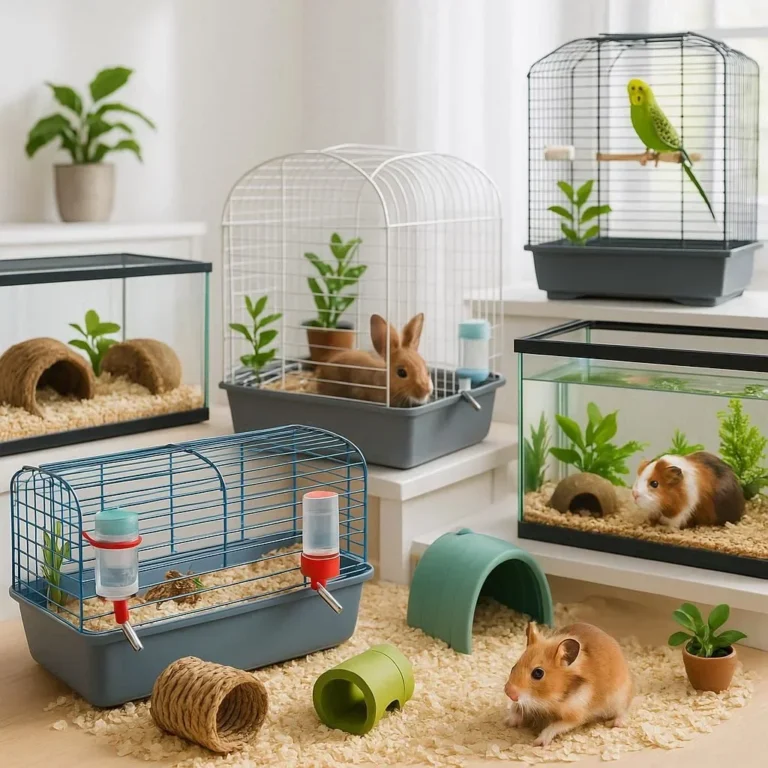
- Provide a Spacious Cage: A cage that allows for flight and exploration reduces stress and promotes physical health.
- Maintain a Clean Environment: Daily cleaning of food dishes, water bowls, and perches prevents disease.
- Offer a Balanced Diet: Combine seeds, pellets, fresh fruits, and vegetables to meet nutritional needs.
- Engage in Daily Interaction: Gentle handling, talking, and playtime strengthen the bond and reduce fear.
- Monitor Health: Regularly check for feather condition, weight changes, and signs of illness.
- Provide Mental Stimulation: Toys, puzzles, and training sessions keep birds mentally sharp.
By following these guidelines, you’ll create a nurturing environment that encourages taming and fosters a lifelong friendship.
Conclusion: Embrace the Joy of Taming
Choosing a cute bird that is easy to tame can bring immense joy and companionship to your life. Whether you opt for the playful budgie, the chatty cockatiel, the affectionate lovebird, the melodic canary, or the intelligent African Grey, each species offers unique benefits and a rewarding bonding experience. Remember to research each bird’s specific needs, invest in quality care, and dedicate time to build trust.
Ready to welcome a feathered friend into your home? Start your bird‑ownership journey today by visiting reputable breeders or rescue centers, and discover the perfect cute bird that matches your lifestyle.
Frequently Asked Questions
Q1. What makes a bird easy to tame?
Easy-to-tame birds typically have a calm temperament, enjoy social interaction, and are not overly demanding of space or food. They often thrive on routine and respond well to gentle handling and positive reinforcement. Small to medium-sized species are usually more approachable for beginners.
Q2. Which species are best for first‑time owners?
Budgerigars, cockatiels, and lovebirds are popular choices for novices because they are social, relatively low maintenance, and can quickly bond with their owners. These species also have shorter lifespans compared to larger parrots, making them less of a long‑term commitment.
Q3. How often should I handle my cute bird?
Daily handling for 5–10 minutes is ideal. Consistent, gentle interaction helps build trust and reduces fear. If your bird seems stressed, give it a break and try again later.
Q4. What diet should I give my tame bird?
A balanced diet includes a mix of high‑quality pellets, fresh vegetables, occasional fruit, and a small amount of seeds. Rotate foods to keep your bird interested and to provide a range of nutrients.
Q5. How can I prevent feather plucking?
Feather plucking often signals boredom or stress. Provide mental stimulation with toys, puzzles, and training sessions. Ensure a clean environment, proper nutrition, and regular bonding time to keep your bird content.