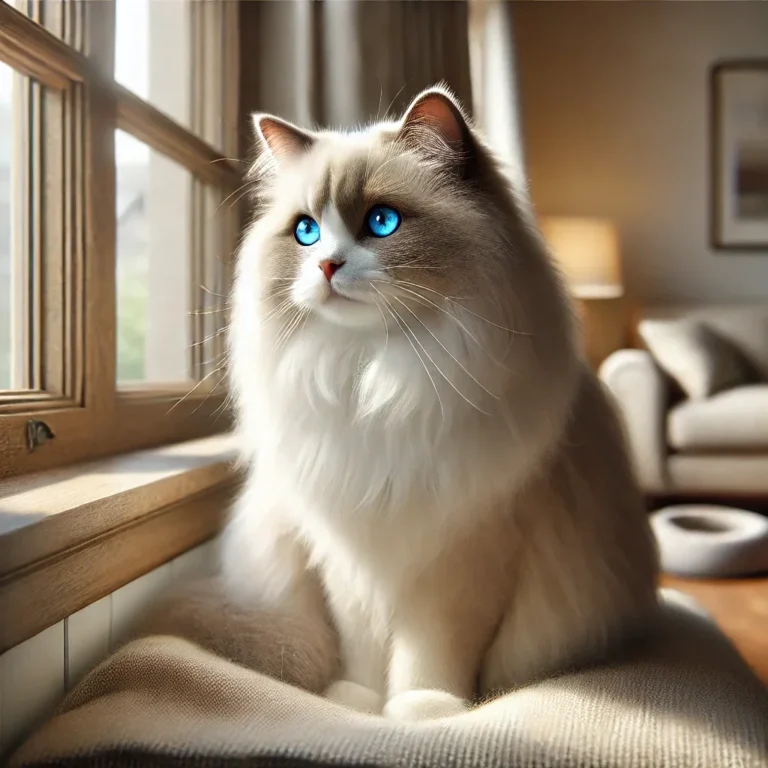
Cute Calm Cats for Home
Cute Calm Cats can transform a bustling household into a serene sanctuary. Their gentle purrs, soft fur, and relaxed demeanor provide instant comfort, making them ideal companions for families, seniors, and anyone seeking a peaceful living environment. In this guide, we’ll explore why these feline friends are so soothing, how to choose the right calm cat, and practical tips to keep your kitty—and your home—tranquil.
Understanding the Calm Cat Personality
Not all cats are created equal. While some are playful and energetic, others exhibit a naturally mellow temperament. A calm cat typically displays:
- Low vocalization—rarely meowing loudly or persistently.
- Gentle body language—slow blinking, relaxed ears, and a soft tail.
- Contentment with routine—prefers predictable feeding and play schedules.
- Low stress response—quickly recovers from minor disturbances.
- Affectionate but not demanding—approaches owners on their terms.
These traits are often linked to genetics, early socialization, and a stable environment. According to the Wikipedia entry on cat behavior, cats that grow up with consistent human interaction tend to develop calmer dispositions.
Choosing the Right Calm Cat for Your Home
When selecting a cat, consider both breed tendencies and individual personality. Some breeds are renowned for their placid nature:
- Burmese – affectionate yet laid‑back.
- Ragdoll – famously relaxed and often called “the couch cat.”
- Maine Coon – large but gentle, with a friendly demeanor.
- British Shorthair – stoic and low‑maintenance.
- Sphynx – warm and sociable, though they require regular grooming.
However, individual temperament can vary widely even within a breed. Visiting shelters or reputable breeders allows you to observe a cat’s behavior before adoption. The American Veterinary Medical Association recommends spending time with a potential pet to gauge calmness and compatibility.
Creating a Stress‑Free Environment
Even the most serene cat can become anxious if its surroundings are chaotic. Here are key strategies to maintain a tranquil home:
- Consistent Routine – Feed, play, and groom at the same times each day.
- Quiet Zones – Provide a cozy perch or a dedicated room where the cat can retreat.
- Soft Lighting – Use warm, dim lights to mimic natural twilight, which calms feline nerves.
- Minimal Loud Noise – Keep televisions and music at moderate volumes; consider white‑noise machines to mask sudden sounds.
- Safe Spaces – Offer hiding spots like covered beds or cardboard boxes for moments of solitude.
Research from the Cornell University College of Veterinary Medicine indicates that cats thrive in environments with predictable stimuli and ample hiding places, reducing cortisol levels and promoting calm behavior.
Daily Care Tips to Keep Your Cat Calm
Routine care not only supports physical health but also reinforces a sense of security. Follow these guidelines:
- Regular grooming: Brush your cat’s fur 2–3 times a week to prevent matting and reduce shedding.
- Balanced diet: Feed high‑quality food tailored to your cat’s age and activity level.
- Hydration: Provide fresh water daily; consider a cat fountain to encourage drinking.
- Interactive play: Use gentle toys like feather wands or laser pointers for short, controlled sessions.
- Health checkups: Schedule annual vet visits to monitor weight, dental health, and overall well‑being.
These practices help maintain a calm demeanor and prevent behavioral issues such as excessive scratching or vocalization. The CDC’s Healthy Pets program emphasizes the importance of preventive care in reducing stress-related behaviors.
Benefits of a Calm Cat for Human Well‑Being
Beyond companionship, calm cats offer measurable health benefits. Studies show that interacting with a relaxed feline can lower blood pressure, reduce heart rate, and decrease anxiety levels. The soothing rhythm of a purr—often around 20–30 Hz—has been linked to tissue regeneration and stress relief, according to research published in the Journal of Feline Medicine and Surgery.
For individuals with busy lifestyles or chronic stress, a calm cat provides a steady source of emotional support. Their presence encourages mindfulness, promotes regular exercise through play, and fosters a sense of responsibility that can improve overall mental health.
Conclusion: Embrace the Serenity of Cute Calm Cats
Adopting a cute calm cat can bring lasting peace to your home. By selecting a temperamentally suitable feline, creating a low‑stress environment, and practicing consistent care, you’ll nurture a bond that enriches both your lives. Ready to welcome a serene companion into your family? Explore local shelters, research breeds, and take the first step toward a calmer, happier home today.
Take action now: Visit your nearest animal shelter, meet a calm cat, and experience the tranquility they bring. Your home—and your heart—will thank you.
Frequently Asked Questions
Q1. What makes a cat calm?
A calm cat typically has a relaxed temperament influenced by genetics, early socialization, and a stable environment. They exhibit low vocalization, gentle body language, and a preference for routine. Cats that grow up with consistent human interaction tend to develop calmer dispositions, as noted by behavioral studies. Their low stress response allows them to recover quickly from minor disturbances.
Q2. How can I tell if a cat is calm before adoption?
Observe the cat’s behavior in a shelter setting: look for slow blinking, relaxed ears, and a soft tail. A calm cat will approach owners on its own terms and remain composed during routine interactions. Spend time playing or feeding to gauge its reaction to new stimuli. If the cat stays relaxed and shows minimal vocalization, it’s likely a good fit for a tranquil home.
Q3. Which breeds are known for a calm temperament?
Some breeds are renowned for their placid nature, including the Burmese, Ragdoll, Maine Coon, British Shorthair, and Sphynx. Each of these breeds tends to be affectionate yet laid‑back, making them ideal for families seeking a serene companion. However, individual temperament can vary, so it’s important to meet each cat personally.
Q4. How can I keep a calm cat in a busy household?
Maintain a consistent routine for feeding, play, and grooming to provide predictability. Create quiet zones with cozy perches or dedicated rooms where the cat can retreat. Use soft lighting and minimal loud noise, and consider white‑noise machines to mask sudden sounds. Providing safe hiding spots like covered beds or cardboard boxes helps the cat feel secure.
Q5. Can calm cats help reduce human stress?
Yes, interacting with a relaxed feline can lower blood pressure, reduce heart rate, and decrease anxiety levels. The soothing rhythm of a purr—often around 20–30 Hz—has been linked to tissue regeneration and stress relief. Studies show that calm cats encourage mindfulness, promote regular exercise, and foster a sense of responsibility that improves overall mental health.